

Classification and Composition of Polyvinyl Butyral Pneumatic Conveying Systems
For industrial applications requiring efficient and reliable material handling, Polyvinyl Butyral (PVB) pneumatic conveying systems have emerged as a versatile solution. These systems are designed to transport bulk materials like powders and granules through a pressurized or vacuum environment, offering advantages such as reduced dust, improved safety, and enhanced process control. Developed by Shandong HeadPowder Engineering Co., Ltd., these systems are tailored to meet the diverse needs of modern industrial processes.
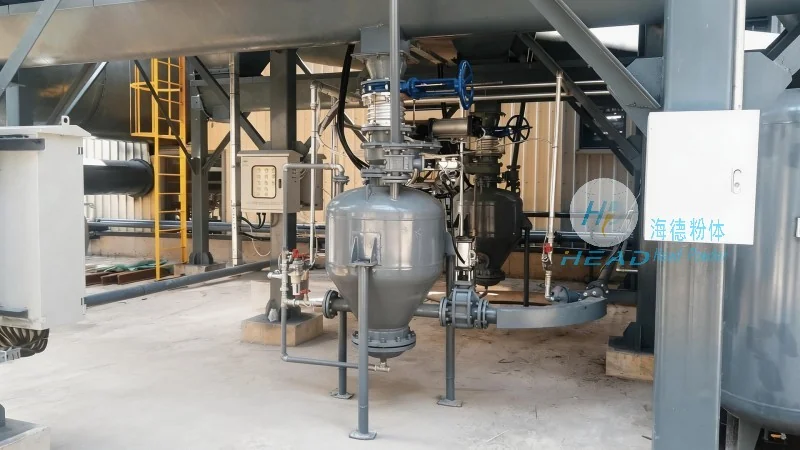
Classification of PVB Pneumatic Conveying Systems
PVB pneumatic conveying systems can be classified based on several key factors, including the method of air delivery, the type of material being conveyed, and the system's operational pressure. The primary categories include:
- Pressure Conveying: This system uses compressed air to push material through the pipeline. It is suitable for materials that are non-abrasive and require moderate to high conveying distances. The pressure is maintained by a blower or compressor, ensuring consistent material flow.
- Vacuum Conveying: In contrast, vacuum systems use a vacuum pump to draw material into the pipeline. This method is ideal for materials that are sensitive to pressure changes or for applications where the material needs to be transported from multiple sources to a central collection point.
- Two-Phase Conveying: Combining elements of both pressure and vacuum, two-phase systems utilize a combination of positive and negative pressure to optimize material handling. This approach is particularly effective for handling a wide range of materials, from fine powders to larger granules.
Additionally, systems can be classified by their structural design, such as horizontal, vertical, or mixed configurations. Horizontal systems are commonly used for short to medium distances, while vertical systems are suitable for elevating materials to higher levels. Mixed systems integrate both horizontal and vertical components to accommodate complex layouts and material flow paths.
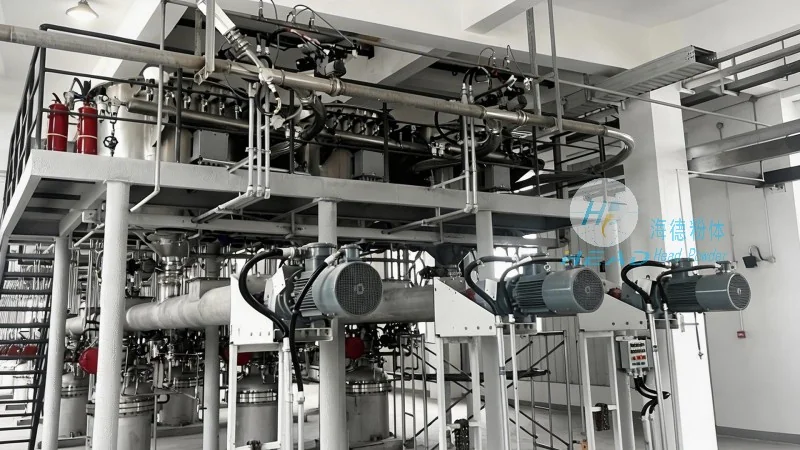
Key Components of PVB Pneumatic Conveying Systems
The effective operation of a PVB pneumatic conveying system relies on several critical components, each playing a vital role in the overall process. These components include:
- Material Hopper: The hopper serves as the storage and feeding unit, holding the bulk material before it is introduced into the system. It is typically equipped with a discharge valve or feeder to control the flow rate, ensuring a consistent supply of material to the conveyor.
- Feeder: The feeder is responsible for accurately metering the material and introducing it into the air stream. Common types include rotary valves, screw feeders, and vibratory feeders, each designed to handle different material characteristics and flow rates.
- Air Supply Unit: This component provides the necessary air pressure or vacuum for conveying. It may consist of a blower, compressor, or vacuum pump, depending on the system type. The air supply unit is often equipped with filters and regulators to maintain air quality and pressure stability.
- Pipeline System: The pipeline network connects all components and transports the material-air mixture. It is typically made of durable materials like stainless steel or PVB-coated steel to resist corrosion and abrasion from the conveyed material.
- Control Valves and Regulators: These components regulate the flow of air and material, ensuring smooth operation and preventing system overloads. They include check valves, pressure relief valves, and flow control devices that maintain system efficiency and safety.
- Receiver or Discharge Unit: The receiver collects the conveyed material and stores it until it is transferred to the next processing stage. It may include a hopper or silo and is equipped with a discharge valve to control material release.
Material Handling Capabilities and Applications
PVB pneumatic conveying systems are versatile and can handle a wide range of materials, including fine powders, granules, and even bulk solids. The system's ability to transport materials without direct contact with the conveying equipment reduces wear and tear, extending the lifespan of the components. This makes PVB systems particularly suitable for applications involving abrasive or corrosive materials.
Common applications include the food and pharmaceutical industries, where material handling must meet stringent hygiene and safety standards. In these sectors, PVB systems are used to transport ingredients, powders, and finished products with minimal contamination risk. Additionally, they are widely used in the chemical and mining industries for transporting raw materials, intermediates, and waste products.
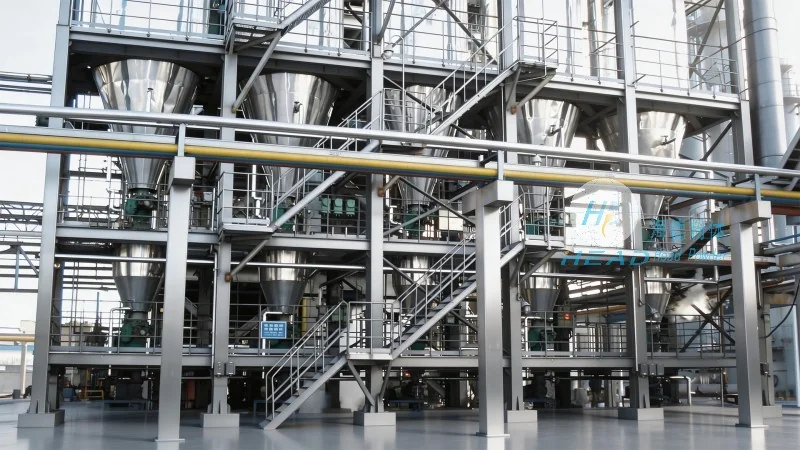
Advantages of PVB Pneumatic Conveying Systems
Compared to traditional mechanical conveying methods, PVB pneumatic systems offer several advantages that make them a preferred choice for many industries. These benefits include:
- Reduced Dust and Improved Safety: By transporting materials in an enclosed system, PVB systems minimize dust generation and exposure, enhancing workplace safety and compliance with environmental regulations.
- Flexibility and Scalability: PVB systems can be easily configured and expanded to accommodate changing production needs. They can be integrated with existing infrastructure and adapted to handle different material types and flow rates.
- Energy Efficiency: Modern PVB systems are designed to be energy-efficient, with optimized air flow and pressure control reducing operational costs over time.
- Low Maintenance: The enclosed design and durable materials used in PVB systems reduce the need for frequent maintenance and repairs, lowering long-term operational costs.
Conclusion
PVB pneumatic conveying systems represent a reliable and efficient solution for bulk material handling in various industrial applications. By understanding the classification and composition of these systems, businesses can select the appropriate equipment to meet their specific operational requirements. With advancements in material technology and system design, PVB systems continue to evolve, offering enhanced performance and sustainability for modern industrial processes.