

Classification and Composition of Polypropylene Resin Powder Pneumatic Conveying Systems
For industries dealing with polypropylene resin powders, efficient and reliable material handling is crucial. The pneumatic conveying system for polypropylene resin powders is a specialized solution that ensures safe, clean, and efficient transport of these materials. This article will explore the classification and composition of such systems, providing insights into their design, functionality, and application in industrial settings.
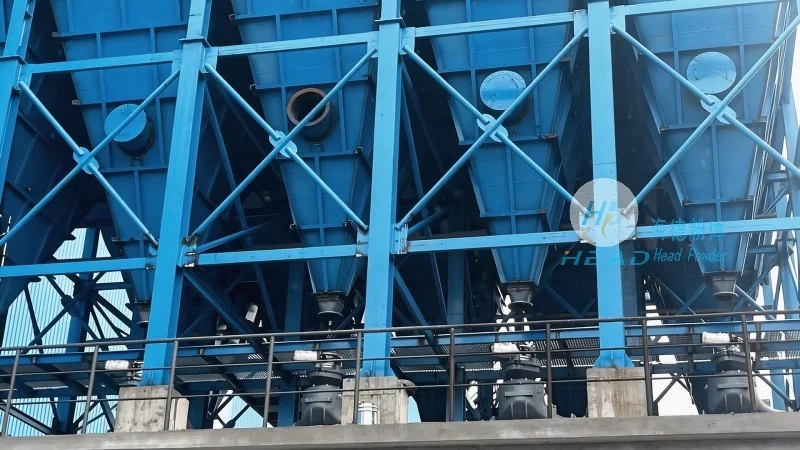
Introduction to Polypropylene Resin Powder Pneumatic Conveying Systems
Polypropylene (PP) resin powders are widely used in various industries, including plastics manufacturing, chemical processing, and food processing. The handling of these powders requires systems that can maintain material integrity, prevent contamination, and ensure consistent flow. Pneumatic conveying systems offer a solution by using air to transport the resin powder through a network of pipes and equipment. These systems are designed to handle the unique properties of polypropylene powders, such as their fine particle size, low bulk density, and potential for static charge accumulation.
Classification of Pneumatic Conveying Systems for Polypropylene Resin Powders
Pneumatic conveying systems for polypropylene resin powders can be classified based on the direction of air flow and the method of material transport. The primary classifications include:
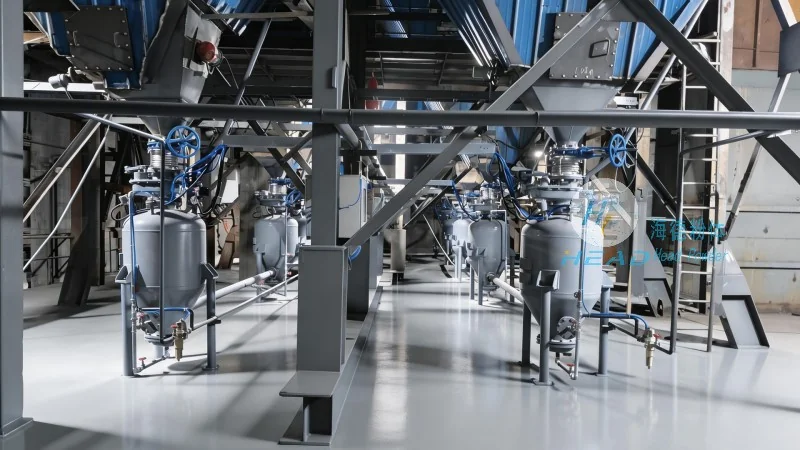
- Aspiration (Suction) Systems: These systems use a vacuum to draw the polypropylene powder from a storage hopper or silo into the conveying line. The vacuum is created by a fan or blower, which pulls the air and powder mixture through the system. Aspiration systems are ideal for applications where the material needs to be transported from a lower elevation or where the source is located at a distance from the processing area.
- Pressure (Blowing) Systems: In contrast to aspiration systems, pressure systems use compressed air to push the polypropylene powder through the conveying line. The compressed air is introduced at the inlet of the system, creating a pressure differential that moves the powder forward. Pressure systems are suitable for applications requiring high transport distances or where the material needs to be delivered to a higher elevation.
- Mixed (Bi-Directional) Systems: These systems combine both suction and pressure principles, allowing for flexible material handling. Mixed systems can operate in either suction or pressure mode, depending on the application requirements. This flexibility makes them suitable for complex material flow scenarios where the source and destination are at different elevations or require varying transport distances.
Key Components of Polypropylene Resin Powder Pneumatic Conveying Systems
Regardless of the classification, a pneumatic conveying system for polypropylene resin powders consists of several critical components that work together to ensure efficient operation. The main components include:
- Conveying Pipeline: The pipeline is the primary structure that transports the polypropylene powder. It is typically made of materials such as stainless steel, PVC, or polyethylene, which are resistant to corrosion and can handle the abrasive nature of polypropylene powders. The pipeline is designed with appropriate diameters and bends to minimize pressure drop and ensure smooth material flow.
- Air Source Equipment: This component provides the necessary air pressure or vacuum for the conveying process. For aspiration systems, a fan or vacuum pump is used to create the suction force. For pressure systems, a blower or compressor generates the compressed air. The air source equipment is typically equipped with filters and regulators to ensure clean and controlled air flow, preventing contamination of the polypropylene powder.
- Material Separation and Conditioning Equipment: To maintain the quality of the polypropylene powder during transport, separation and conditioning equipment is used. This includes cyclones, filters, and dust collectors that remove entrained air and fine particles from the powder stream. Additionally, static eliminators may be incorporated to prevent static charge buildup, which can cause material agglomeration or equipment damage.
- Control and Monitoring Systems: Modern pneumatic conveying systems for polypropylene resin powders are equipped with control and monitoring systems to ensure optimal performance. These systems include sensors for pressure, flow rate, and temperature, as well as control panels that allow operators to adjust system parameters in real-time. The control systems help maintain consistent material flow, detect system malfunctions, and ensure safety during operation.
Application and Benefits of Polypropylene Resin Powder Pneumatic Conveying Systems
The use of pneumatic conveying systems for polypropylene resin powders offers several advantages over traditional material handling methods. These include:
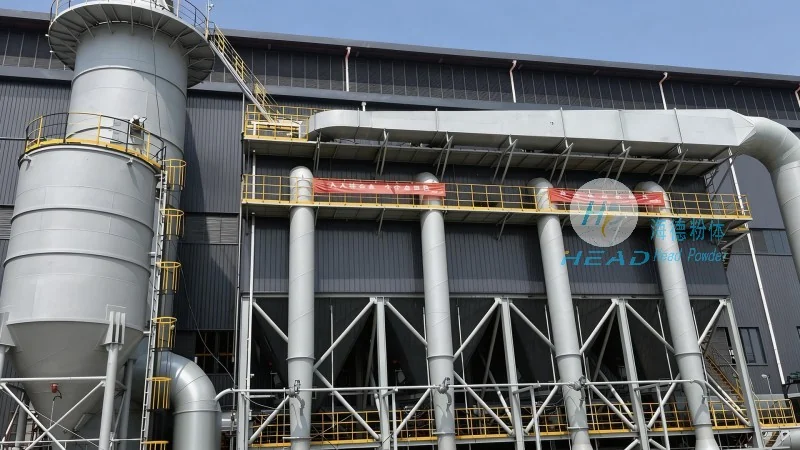
- Efficiency and Speed: Pneumatic conveying systems can transport polypropylene powders at high speeds, reducing the time required for material handling. This is particularly beneficial in high-volume production environments where quick material transfer is essential.
- Cleanliness and Hygiene: The enclosed pipeline design of pneumatic conveying systems prevents contamination from external sources, ensuring that the polypropylene powder remains clean and free from dust or debris. This is critical in industries such as food processing or pharmaceuticals where material purity is paramount.
- Flexibility and Scalability: Pneumatic conveying systems can be easily configured and scaled to meet the changing needs of industrial operations. The modular design allows for the addition or removal of components, making it suitable for both small-scale and large-scale applications.
- Energy Efficiency: Compared to other material handling methods, such as belt conveyors or bucket elevators, pneumatic conveying systems are more energy-efficient. The use of air as the transport medium reduces the need for mechanical components, resulting in lower energy consumption and operational costs.
Conclusion and Company Overview
Pneumatic conveying systems for polypropylene resin powders are essential equipment for industries that handle these materials. The classification and composition of these systems play a critical role in ensuring their effectiveness and reliability. By understanding the different types of systems and their components, manufacturers can select the most appropriate solution for their specific application needs.
Shandong HeadPowder Engineering Co., Ltd. (headpowder) is a leading provider of specialized engineering solutions for material handling, including pneumatic conveying systems for polypropylene resin powders. With years of experience and expertise in the field, the company offers customized solutions tailored to the unique requirements of each client. HeadPowder's systems are designed to meet the highest standards of quality, efficiency, and safety, ensuring that clients can achieve optimal performance in their industrial operations.