

Classification and Composition of Pneumatic Conveying Systems for Lithium-Ion Battery Materials
For manufacturers in the lithium-ion battery industry, the efficient and reliable handling of raw materials is a critical factor in production efficiency and product quality. Pneumatic conveying systems have emerged as a key technology for transporting various materials used in battery production, such as lithium compounds, graphite, and other powders. This article provides an overview of the classification and components of pneumatic conveying systems tailored for lithium-ion battery materials, highlighting the solutions offered by Shandong HeadPowder Engineering Co., Ltd. (referred to as HeadPowder).
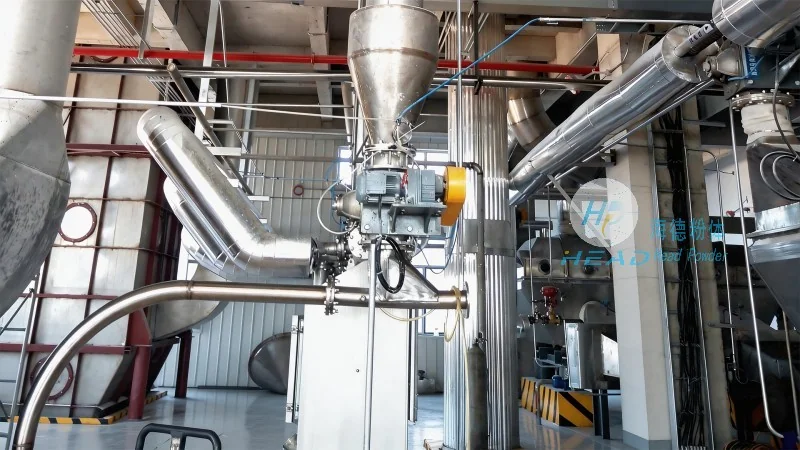
Classification of Pneumatic Conveying Systems
Pneumatic conveying systems for lithium-ion battery materials can be broadly classified based on the pressure and method of material transport. The primary categories include:
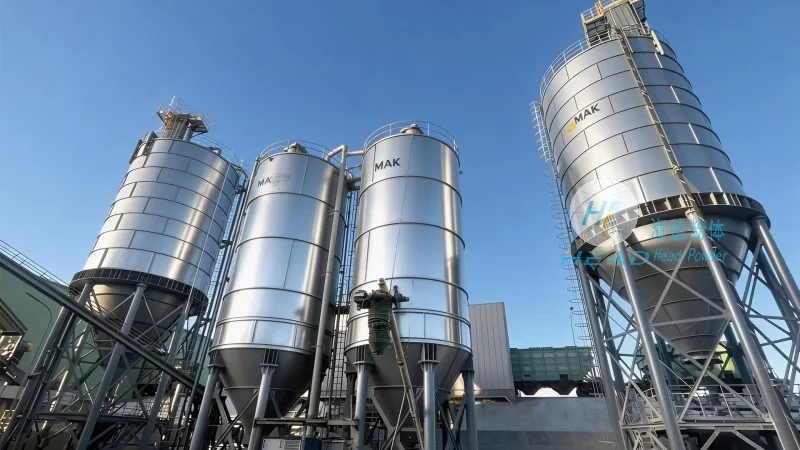
- Positive Pressure Conveying: This system uses compressed air to push material through a pipeline. It is suitable for transporting powders with good flowability and is commonly used for short to medium-distance conveying. The positive pressure system ensures that the material is continuously propelled forward, reducing the risk of clogging and maintaining consistent flow rates.
- Negative Pressure (Vacuum) Conveying: In this method, a vacuum is created to draw material into the pipeline. It is ideal for applications requiring material to be collected from multiple points or for long-distance transport where the material may be more prone to dust or contamination. The negative pressure system is particularly useful for handling fine powders that require gentle handling to prevent degradation.
- Combined Pressure and Vacuum Conveying: This hybrid approach combines elements of both positive and negative pressure systems. It is used for complex conveying tasks that involve both loading and unloading at different locations, offering flexibility in material handling. The system can switch between pressure and vacuum modes as needed, optimizing the transport process for varied production requirements.
Key Components of Pneumatic Conveying Systems
Regardless of the classification, a pneumatic conveying system for lithium-ion battery materials typically consists of several essential components that work in tandem to ensure efficient material transport. These components include:
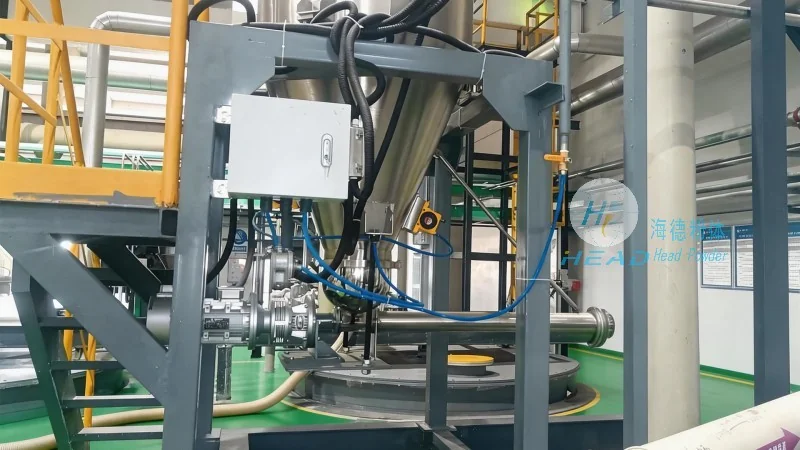
- Material Hopper and Feeder: The hopper serves as a storage container for raw materials, while the feeder (often a rotary valve or screw feeder) regulates the flow of material into the conveying line. For lithium-ion battery materials, which may include sensitive powders, the feeder is designed to provide a consistent and controlled feed rate, minimizing material degradation and ensuring uniform particle size distribution.
- Conveying Pipeline: The pipeline is the main channel through which the material is transported. It is usually made of stainless steel or other corrosion-resistant materials to handle the chemical properties of battery materials. The pipeline design, including bends and elbows, is optimized to minimize pressure drop and maintain the material's flow characteristics. For high-purity applications, the pipeline is often equipped with filters to prevent dust or particles from escaping and contaminating the environment.
- Compressor or Vacuum Pump: This component generates the necessary pressure or vacuum to move the material. In positive pressure systems, a high-pressure air compressor provides the force to push the material through the pipeline. In negative pressure systems, a vacuum pump creates the suction required to draw material into the system. The choice of compressor or pump depends on the material properties, conveying distance, and system pressure requirements.
- Control System: The control system manages the operation of the entire pneumatic conveying process. It includes sensors to monitor pressure, flow rate, and material level, as well as control valves and actuators to adjust the system parameters in real-time. For lithium-ion battery materials, the control system is crucial for maintaining product quality and preventing over-processing or under-processing, which can affect the final battery performance.
- Filter and Dust Collection: To ensure environmental compliance and maintain material purity, the system includes a filter and dust collection unit. This component captures any fine particles that may escape the pipeline and returns them to the hopper, preventing air pollution and maintaining a clean working environment. The filter is typically made of high-efficiency materials to capture particles as small as microns, which is essential for sensitive battery materials.
Application Examples in Lithium-Ion Battery Production
Pneumatic conveying systems are widely used in various stages of lithium-ion battery production. For instance, in the raw material preparation stage, these systems efficiently transport lithium carbonate, lithium hydroxide, and graphite powders from storage to processing equipment. During the cell assembly process, they can convey active materials to the mixing and coating machines, ensuring a consistent and homogeneous mixture. In the final packaging stage, the system may be used to transport finished battery cells or components to packaging lines.
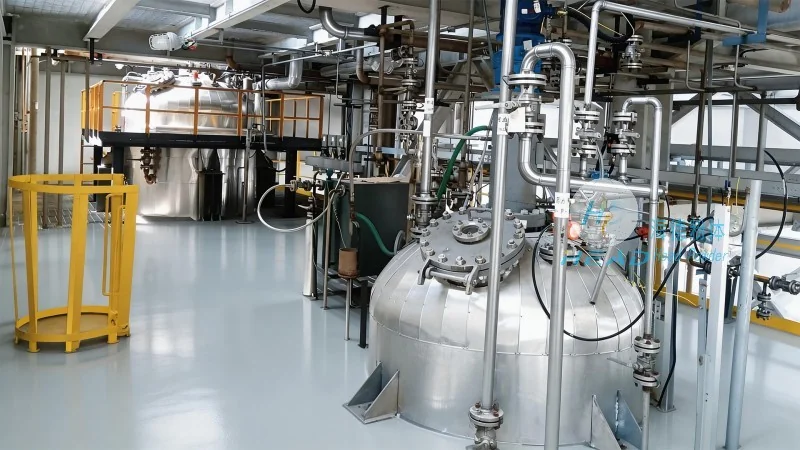
Advantages of Pneumatic Conveying Systems for Battery Materials
Compared to traditional mechanical conveying methods, pneumatic conveying systems offer several advantages for handling lithium-ion battery materials: