

Classification and Composition of Chromium(III) Oxide Pneumatic Conveying Systems
Chromium(III) oxide, also known as chromium sesquioxide, is a widely used industrial material in various applications such as pigments, catalysts, and coatings. The efficient and reliable transportation of this material from production sites to processing facilities is crucial for maintaining production efficiency and product quality. Pneumatic conveying systems have emerged as a preferred method for handling chromium(III) oxide due to their ability to transport powders in a closed system, minimizing dust emissions and ensuring a controlled environment. This article provides an overview of the classification and key components of chromium(III) oxide pneumatic conveying systems, highlighting the technology's role in modern industrial operations.
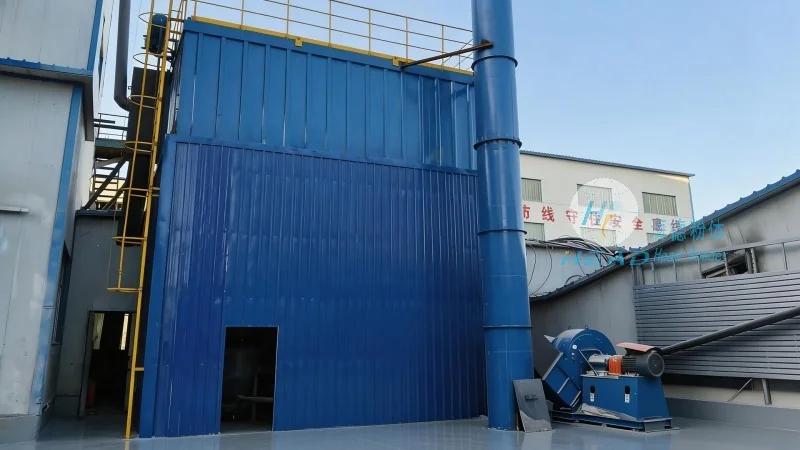
Classification of Pneumatic Conveying Systems for Chromium(III) Oxide
Chromium(III) oxide pneumatic conveying systems can be classified based on several factors, including the type of air flow, the method of material transport, and the system's pressure. The primary classifications include:
- Positive Pressure Systems: These systems use a blower or compressor to generate positive pressure, pushing the material and air mixture through the pipeline. They are suitable for long-distance and high-capacity applications, making them ideal for large-scale chromium(III) oxide production facilities.
- Negative Pressure (Vacuum) Systems: In these systems, a vacuum is created at the receiving end to draw the material and air mixture into the pipeline. They are commonly used for short-distance transport or when the material needs to be conveyed from multiple sources to a single destination.
- Pressure-Reduced Systems: This hybrid approach combines elements of both positive and negative pressure systems. It uses a pressure-reducing valve to control the air flow, allowing for flexible operation and reduced energy consumption.
Each classification has its advantages and is selected based on the specific requirements of the chromium(III) oxide handling process, including the material's properties, the distance to be covered, and the desired throughput.
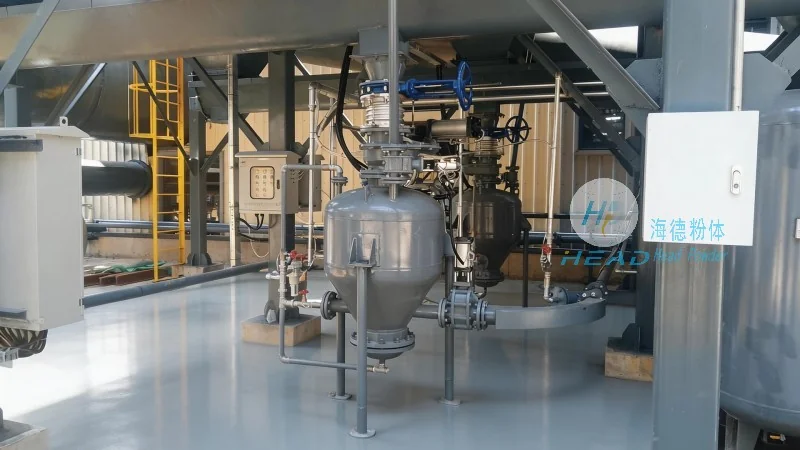
Key Components of Chromium(III) Oxide Pneumatic Conveying Systems
A chromium(III) oxide pneumatic conveying system consists of several critical components that work together to ensure efficient material transport. The main components include:
- Feed Hopper and Feeder: The feed hopper stores the chromium(III) oxide material and feeds it into the system at a controlled rate. The feeder, typically a screw or rotary valve, regulates the material flow to match the system's air flow, preventing blockages and ensuring consistent operation.
- Pneumatic Conveying Pipe: The pipeline is the main channel for transporting the material and air mixture. It is usually made of stainless steel or other corrosion-resistant materials to withstand the chemical properties of chromium(III) oxide and prevent contamination. The pipe diameter and length are carefully designed to optimize the system's performance and minimize pressure drop.
- Air Supply Unit: This component generates the necessary air pressure or vacuum for the system. It includes a blower or vacuum pump, air filters, and pressure regulators to ensure clean and consistent air flow. The air supply unit is critical for maintaining the system's efficiency and preventing dust accumulation.
- Control System: The control system monitors and regulates the operation of the pneumatic conveying system. It includes sensors for pressure, flow, and level, as well as control valves and a programmable logic controller (PLC) to adjust the system's parameters in real-time. This ensures the system operates within safe and efficient limits, adapting to changes in material feed or process conditions.
- Receiving Hopper and Discharge Equipment: The receiving hopper collects the chromium(III) oxide material at the end of the pipeline. The discharge equipment, such as a rotary valve or conveyor, transfers the material from the hopper to the next processing stage. Proper design of the receiving hopper and discharge equipment is essential to prevent material buildup and ensure smooth material transfer.
Each component plays a vital role in the overall performance of the chromium(III) oxide pneumatic conveying system, and their proper selection and integration are crucial for achieving optimal efficiency and reliability.
Applications and Benefits of Chromium(III) Oxide Pneumatic Conveying Systems
Chromium(III) oxide pneumatic conveying systems are widely used in various industries due to their versatility and efficiency. Some common applications include:
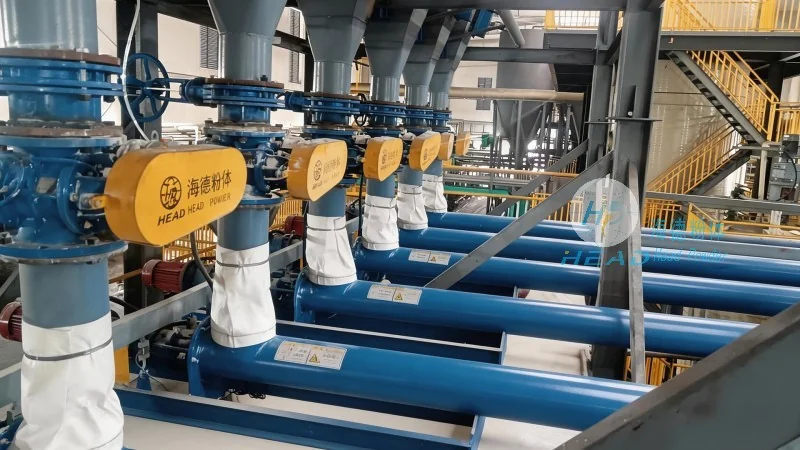
- Pigment Manufacturing: In the production of chromium(III) oxide pigments, pneumatic conveying systems are used to transport the material from storage silos to mixing and grinding equipment. This ensures a consistent and controlled supply of material, improving the quality and uniformity of the final pigment.
- Catalyst Production: Chromium(III) oxide is used as a catalyst in various chemical processes. Pneumatic conveying systems are employed to transport the catalyst material to reactors and other processing equipment, minimizing contamination and ensuring precise dosing.
- Coating and Plating: In the manufacturing of coatings and plating solutions, chromium(III) oxide is used as a component. Pneumatic conveying systems help in transporting the material to mixing tanks and other processing units, maintaining the material's purity and preventing dust exposure.
The benefits of using pneumatic conveying systems for chromium(III) oxide include:
- Reduced Dust Emissions: The closed system design minimizes dust release, improving workplace safety and environmental compliance.
- Improved Material Handling Efficiency: Pneumatic conveying allows for continuous and automated material transport, reducing labor costs and increasing production throughput.
- Enhanced Product Quality: The controlled environment and consistent material flow ensure that the chromium(III) oxide material remains in its original state, maintaining its quality and performance.
- Flexibility and Scalability: Pneumatic conveying systems can be easily scaled to accommodate changes in production volume or process requirements, making them suitable for both small-scale and large-scale operations.
Conclusion and Company Overview
Chromium(III) oxide pneumatic conveying systems are essential for the efficient and safe handling of this critical industrial material. The classification and components of these systems are designed to meet the specific needs of chromium(III) oxide applications, ensuring optimal performance and reliability. As a leading provider of engineering solutions for powder handling, Shandong HeadPowder Engineering Co., Ltd. specializes in designing and manufacturing customized pneumatic conveying systems tailored to the unique requirements of each client. With a focus on quality, innovation, and customer satisfaction, HeadPowder offers comprehensive solutions that enhance operational efficiency and product quality in chromium(III) oxide processing. Based in Shandong, China, HeadPowder leverages its expertise and advanced technology to deliver reliable and cost-effective pneumatic conveying systems for a wide range of industrial applications.