

Classification and Composition of Dry Powder Air-Lift Conveying Systems for Flocculants
HeadPowder, a leading provider of industrial conveying solutions, specializes in dry powder air-lift systems designed for efficient transport of flocculants. This article explores the classification and key components of such systems, highlighting their design and operational principles.
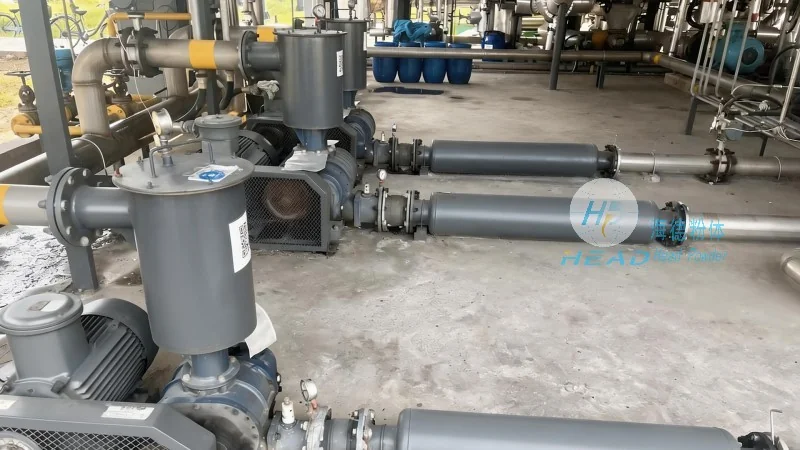
Overview of Dry Powder Air-Lift Conveying Systems
Dry powder air-lift conveying systems are engineered to transport fine powders, including flocculants, through a pneumatic process. These systems utilize air as the primary medium to move material from a source to a destination, offering advantages such as low maintenance, flexibility in layout, and the ability to handle abrasive or sensitive materials. The systems are commonly used in industries like water treatment, chemical processing, and mining, where reliable and efficient flocculant delivery is critical.
Classification of Flocculant Dry Powder Air-Lift Systems
Based on the pressure differential and operational method, flocculant dry powder air-lift systems can be classified into two main types: positive pressure systems and negative pressure systems. Each type has distinct characteristics that suit different application requirements.
Positive Pressure Air-Lift Conveying Systems
Positive pressure systems operate by blowing air or gas into the conveying line, creating a pressure higher than the ambient air pressure. This method propels the powder forward through the pipeline. These systems are typically used for short to medium-distance transport and are suitable for handling materials that are prone to dusting or require a controlled environment. The design includes a blower or compressor that supplies the pressurized air, a hopper or feeder to feed the powder, and a discharge valve at the receiving end. The positive pressure approach ensures that the material is continuously pushed through the system, minimizing the risk of clogging and ensuring consistent flow rates.
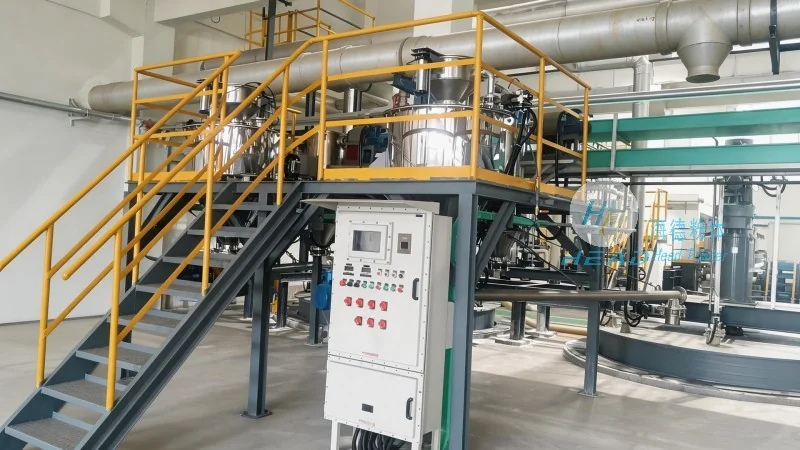
Negative Pressure (Suction) Air-Lift Conveying Systems
Negative pressure systems, also known as suction systems, create a vacuum in the conveying line by drawing air out of the system. The pressure difference between the inlet and the outlet pulls the powder into the pipeline. This type of system is ideal for long-distance transport and is often used in applications where the material source is elevated or where a clean environment is required to prevent dust dispersion. The system comprises a vacuum pump or fan, a hopper with a feeder, and a filter to remove any fine particles from the exhaust air. Negative pressure systems are effective for handling large volumes of material and are commonly employed in industrial settings where dust control is a priority.
Key Components of Flocculant Dry Powder Air-Lift Systems
The efficiency and reliability of a flocculant dry powder air-lift system depend on its well-designed components. Each part plays a crucial role in the overall operation, ensuring smooth and consistent material transport.
1. Hopper and Feeder
The hopper is the storage container where the flocculant powder is held before being conveyed. It is typically made of stainless steel or other corrosion-resistant materials to prevent material degradation and contamination. The feeder, often a rotary valve or a screw feeder, regulates the flow of powder from the hopper into the conveying line. The feeder ensures a consistent feed rate, preventing overloading or underloading of the system, which can affect the conveying efficiency and cause system inefficiencies.
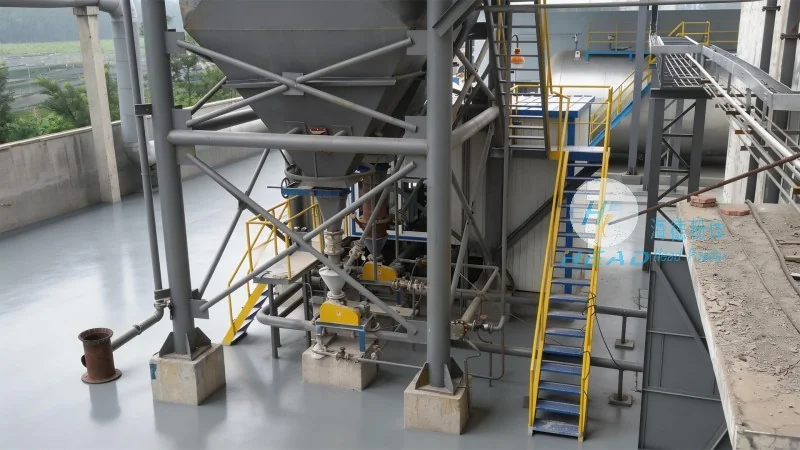
2. Conveying Pipeline
The pipeline is the main channel through which the flocculant powder is transported. It is usually made of stainless steel, PVC, or other materials that are resistant to corrosion and abrasion from the powder. The pipeline diameter and length are carefully selected based on the material characteristics, flow rate, and distance to be covered. The pipeline may include bends, elbows, and other fittings that are designed to minimize pressure loss and maintain the flow of material. Proper pipeline design is essential to avoid clogging and ensure the longevity of the system.
3. Air-Lift Unit (Blower or Vacuum Pump)
The air-lift unit is the heart of the system, responsible for generating the pressure or vacuum needed for conveying. In positive pressure systems, a blower or compressor supplies compressed air, while in negative pressure systems, a vacuum pump or fan creates the suction. The air-lift unit must be capable of delivering the required air volume and pressure to maintain the desired flow rate. It is typically equipped with controls to adjust the air flow and pressure, allowing for fine-tuning of the system performance. The unit is also designed to handle the specific air quality requirements, such as filtering to remove moisture or particulates that could affect the powder quality.
4. Control Valves and Sensors
Control valves and sensors are integral components that regulate and monitor the system operation. Control valves, such as butterfly or gate valves, are used to adjust the flow rate or shut off the system as needed. Sensors, including pressure sensors, flow meters, and level sensors, provide real-time data on the system performance. This data helps operators to monitor the system status, detect any abnormalities, and take corrective actions promptly. The integration of control systems enhances the safety and efficiency of the operation, ensuring that the flocculant is delivered reliably and without interruption.
5. Filter and Dust Collection System
For negative pressure systems, a filter and dust collection system is essential to capture any fine particles that may be released during the conveying process. The filter is typically a baghouse or cartridge filter that removes dust from the exhaust air, preventing environmental contamination and protecting the vacuum pump. The system is designed to maintain the air quality and comply with environmental regulations. The filter needs regular maintenance, such as cleaning or replacement, to ensure optimal performance and prevent clogging.
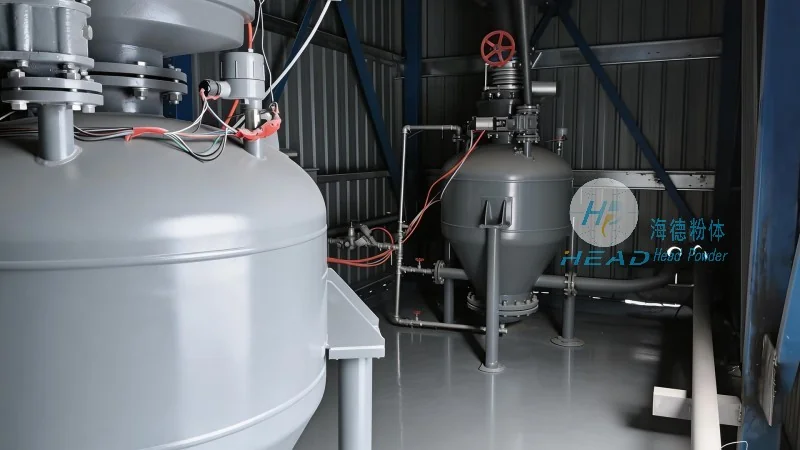
6. Discharge and Dosing Equipment
The discharge equipment is responsible for delivering the flocculant powder to the final destination, such as a water treatment tank or a processing vessel. It may include a rotary valve, a metering pump, or a dosing system that controls the exact amount of powder added. The discharge equipment is designed to prevent material spillage and ensure accurate dosing, which is crucial for maintaining the desired flocculation efficiency. Proper discharge and dosing equipment ensure that the flocculant is applied uniformly and at the correct concentration, optimizing the treatment process.
Applications and Benefits of Flocculant Dry Powder Air-Lift Systems
Flocculant dry powder air-lift systems are widely used in various industrial applications due to their efficiency and reliability. The systems are particularly beneficial in water treatment plants, where flocculants are used to coagulate and settle suspended solids. In chemical processing, they help in transporting flocculants to reactors or mixing tanks. The benefits of these systems include reduced labor costs, improved safety by minimizing manual handling, and enhanced process control. The systems also contribute to better environmental performance by controlling dust emissions and ensuring accurate material delivery.
Conclusion
HeadPowder Engineering Co., Ltd., based in Shandong, China, provides high-quality dry powder air-lift systems for flocculant transport. The classification and composition of these systems, as outlined above, highlight the importance of proper design and component selection for efficient operation. By understanding the different types and key components, industries can choose the most suitable system for their specific needs, ensuring reliable and cost-effective flocculant delivery. HeadPowder's expertise in engineering and manufacturing ensures that their systems meet the highest standards of performance and durability, supporting the operational requirements of various industrial applications.