

Analysis of Magnesium Oxide Pneumatic Conveying Systems
When it comes to the efficient and reliable transport of magnesium oxide, pneumatic conveying systems have emerged as a critical solution in industrial applications. These systems leverage the principles of air movement to move bulk materials like magnesium oxide from one location to another, offering advantages such as reduced labor costs, minimized material handling risks, and enhanced process control. This article provides an in-depth analysis of magnesium oxide pneumatic conveying systems, exploring their design, functionality, and the key considerations for successful implementation.
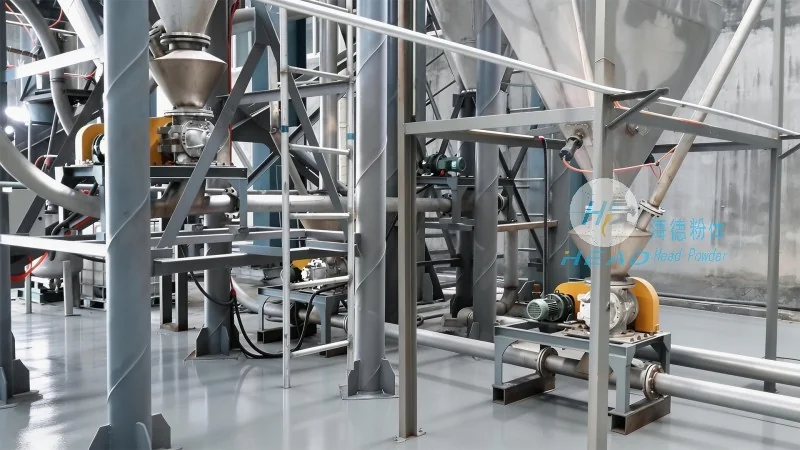
Understanding Pneumatic Conveying for Magnesium Oxide
Magnesium oxide, commonly known as magnesia, is a white crystalline solid widely used in various industries, including construction, pharmaceuticals, and chemical manufacturing. Its handling requires specialized equipment due to its fine particle size and potential for dust generation. Pneumatic conveying systems address these challenges by utilizing air pressure to transport the material through pipelines, ensuring a clean and efficient process. The core components of such systems typically include a material hopper, a feeder, a conveyor line, and a receiver, all working in tandem to achieve seamless material movement.
Key Components of a Magnesium Oxide Pneumatic Conveying System
At the heart of any pneumatic conveying system for magnesium oxide lies a well-designed set of components that ensure optimal performance. The material hopper serves as the storage container, holding the magnesium oxide until it is ready to be conveyed. It is equipped with a level indicator and sometimes a vibration feeder to maintain a consistent flow of material. The feeder, often a rotary valve or a screw feeder, regulates the amount of material discharged into the conveyor line, preventing overloading and ensuring a steady supply. The conveyor line itself is made of durable materials like stainless steel or polyethylene to withstand the abrasive nature of magnesium oxide particles and resist corrosion. The receiver, typically a collection bin or a silo, collects the conveyed material at the destination point, completing the transport cycle.
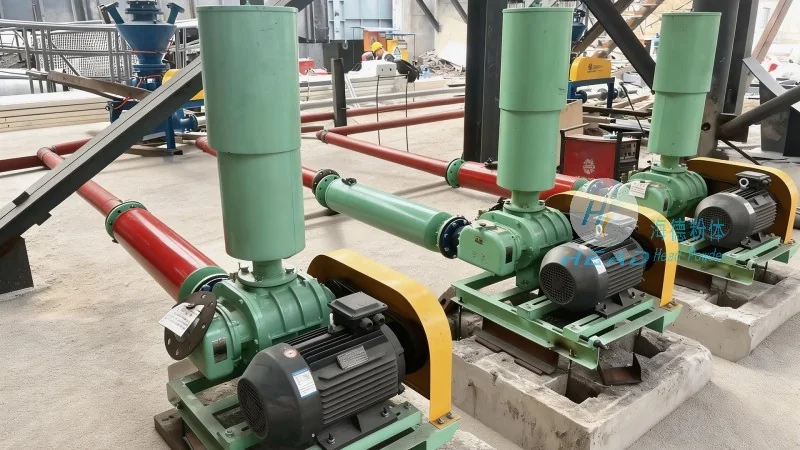
Advantages of Using Pneumatic Conveying for Magnesium Oxide
Implementing a pneumatic conveying system for magnesium oxide offers several distinct advantages over traditional methods like bucket elevators or belt conveyors. One of the primary benefits is the ability to handle fine and dusty materials without the need for additional dust control measures, as the system inherently contains the material within a sealed environment. This reduces the risk of dust exposure for operators and minimizes environmental contamination. Additionally, pneumatic conveying systems are more compact and require less floor space compared to other bulk material handling solutions, making them ideal for facilities with limited space. The systems also offer better process control, allowing for precise control over the flow rate and pressure, which is crucial for maintaining product quality and consistency. Furthermore, they can be integrated with other process equipment, such as mixers or reactors, to create a fully automated material handling workflow.
Design Considerations for Magnesium Oxide Pneumatic Conveying
Designing an effective pneumatic conveying system for magnesium oxide requires careful consideration of several factors to ensure long-term reliability and efficiency. The first consideration is the material's properties, particularly its particle size distribution and moisture content. Fine particles may require higher air velocities to prevent clogging, while high moisture content can lead to material bridging or blockages. Engineers must select the appropriate air velocity and system pressure based on these characteristics to achieve optimal conveying performance. Another critical factor is the system's layout and pipeline design. The length and diameter of the conveyor line, as well as the number of bends and fittings, directly impact the system's efficiency and energy consumption. Properly sized and positioned components, such as the feeder and receiver, are essential to maintain a smooth flow of material and prevent pressure drops that could lead to system failure. Additionally, the choice of materials for the conveyor line and components is vital to resist corrosion and abrasion caused by magnesium oxide particles, ensuring the system's longevity.
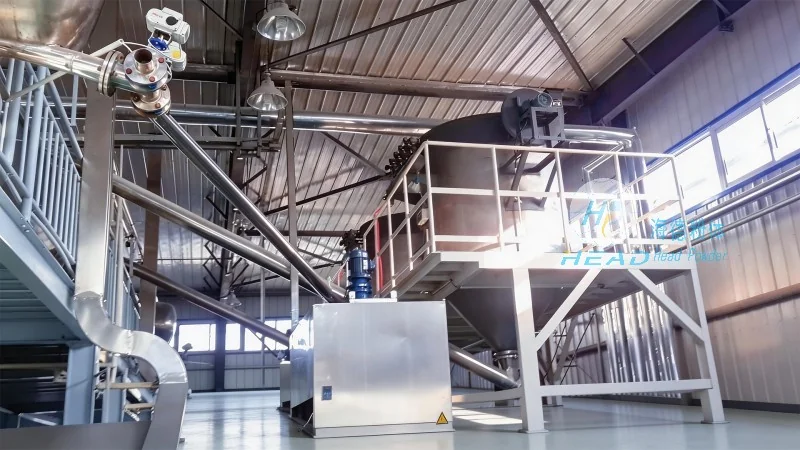
Applications of Magnesium Oxide Pneumatic Conveying Systems
Magnesium oxide pneumatic conveying systems are widely used across various industries due to their versatility and efficiency. In the construction industry, they are employed to transport magnesia-based products such as refractory materials and fire-resistant coatings to production lines or storage facilities. The pharmaceutical industry utilizes these systems to handle magnesium oxide in the manufacturing of dietary supplements and pharmaceuticals, ensuring a clean and sterile transport process. In chemical manufacturing, the systems are crucial for moving magnesium oxide in the production of fertilizers, pigments, and other chemical compounds. Each application benefits from the system's ability to handle fine powders without contamination, maintaining product purity and quality throughout the transport process.
HeadPowder: Your Partner in Magnesium Oxide Pneumatic Conveying Solutions
For businesses seeking reliable and efficient pneumatic conveying solutions for magnesium oxide, Shandong HeadPowder Engineering Co., Ltd. stands as a trusted partner. With years of experience in the engineering and manufacturing of bulk material handling systems, HeadPowder specializes in designing and installing customized pneumatic conveying systems tailored to the specific needs of each client. The company's team of experts works closely with clients to understand their operational requirements, material characteristics, and space constraints, ensuring that the final system meets all performance and safety standards. HeadPowder's commitment to quality and innovation is reflected in the use of advanced materials and technologies in their systems, such as high-efficiency feeders and corrosion-resistant pipelines. By choosing HeadPowder, clients can benefit from a comprehensive solution that not only enhances their material handling processes but also improves overall operational efficiency and product quality. With a strong presence in China, HeadPowder serves clients both domestically and internationally, providing expert support and maintenance services to ensure the long-term performance of their pneumatic conveying systems.