

Analysis of Hydrogen Sulfide Pneumatic Conveying Systems
Hydrogen sulfide (H₂S) is a toxic and corrosive gas commonly encountered in industrial processes, particularly in oil and gas extraction, petrochemical manufacturing, and wastewater treatment facilities. The safe and efficient handling of H₂S is critical for both operational safety and environmental compliance. Pneumatic conveying systems offer a reliable method for transporting H₂S-containing materials, providing a closed-loop process that minimizes exposure risks and ensures consistent material flow. This article provides an in-depth analysis of hydrogen sulfide pneumatic conveying systems, focusing on their design principles, operational benefits, and practical applications.
Understanding Hydrogen Sulfide Pneumatic Conveying
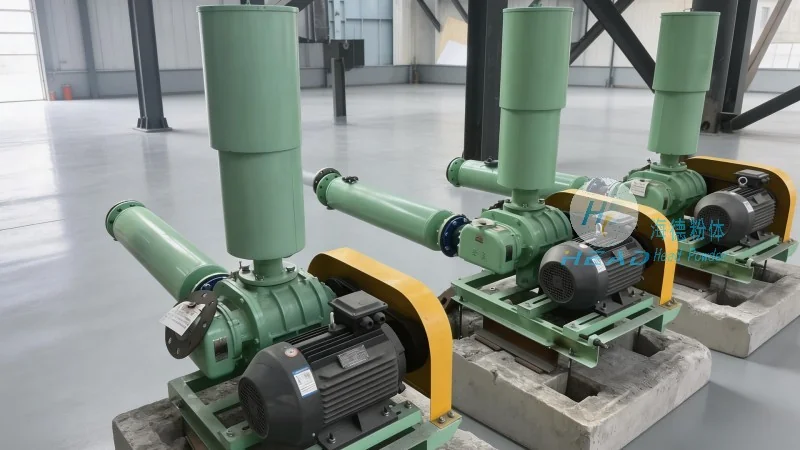
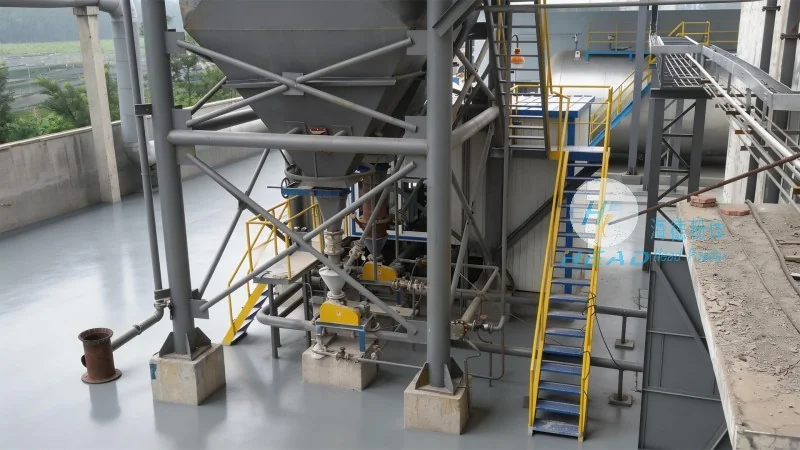
Pneumatic conveying systems utilize air or other gases to transport solid materials through a pipeline network. In the context of H₂S, these systems are engineered to handle the unique challenges posed by this hazardous gas, including its corrosive nature and potential for creating explosive mixtures with air. The core components of a typical H₂S pneumatic conveying system include a material feed hopper, a rotary airlock valve, a conveying pipeline, and a receiver or discharge unit. The system operates by introducing air under pressure into the pipeline, which lifts and transports the H₂S-laden particles from the source to the destination. This process is often categorized into two main types: dilute-phase and dense-phase conveying, each with distinct advantages depending on the material characteristics and distance of transport.
Key Design Considerations for H₂S Pneumatic Conveying Systems
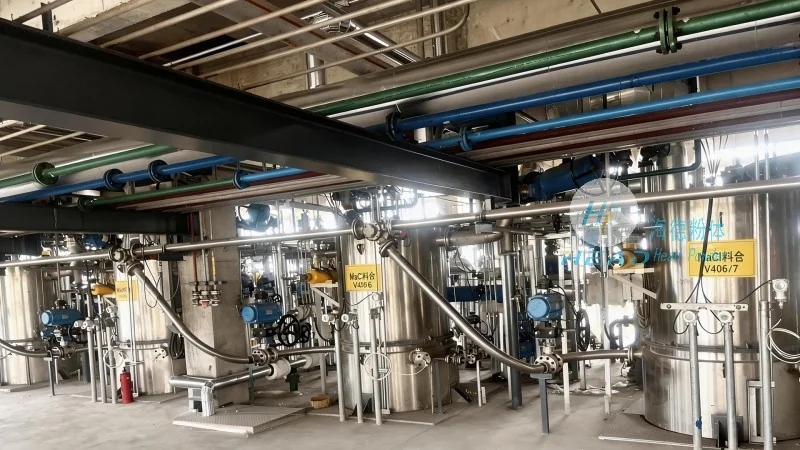
The successful implementation of H₂S pneumatic conveying systems requires careful consideration of several critical factors to ensure safety, efficiency, and durability. First, material compatibility is paramount, as H₂S is highly corrosive and can attack metal components over time. Therefore, system components such as pipelines, valves, and hoppers are typically constructed from corrosion-resistant materials like stainless steel, Hastelloy, or specialized coatings. Additionally, the system must be designed to prevent the accumulation of static electricity, which can lead to sparks and potential explosions in the presence of H₂S and air. Proper grounding and bonding of all metal parts are essential safety measures. Another key consideration is the selection of appropriate air compressors and filtration systems. High-quality air compressors with oil-free operation are preferred to avoid contaminating the H₂S stream with oil vapors, which could further exacerbate corrosion or create hazardous conditions. Filtration systems are also critical to remove particulate matter and moisture from the air, ensuring a clean and stable conveying medium.
Operational Benefits of H₂S Pneumatic Conveying
Implementing a pneumatic conveying system for H₂S handling offers numerous operational advantages over traditional methods like gravity or mechanical conveyors. One of the most significant benefits is the reduction in human exposure to H₂S, as the process is fully enclosed and automated. This not only enhances workplace safety but also minimizes the risk of accidental releases or spills. Additionally, pneumatic conveying systems provide consistent and controlled material flow, which improves process efficiency and reduces downtime associated with material blockages or uneven feeding. The closed-loop design also helps maintain a stable environment, preventing contamination from external sources and ensuring the quality of the H₂S-laden material is preserved throughout the transport process. Furthermore, these systems are highly adaptable, capable of transporting materials over varying distances and through complex pipeline configurations without the need for multiple transfer points or manual intervention.
Applications in Industrial Settings
Hydrogen sulfide pneumatic conveying systems are widely used in various industrial applications where H₂S is a byproduct or a key component. In oil and gas operations, for example, H₂S is often removed from natural gas streams during processing and then transported to treatment facilities or storage sites. Pneumatic conveying is ideal for this application as it allows for the safe and efficient transport of H₂S-laden solids over long distances. In petrochemical plants, H₂S is used in the production of sulfur and other chemicals, and pneumatic systems help move raw materials or intermediate products between processing units. Wastewater treatment facilities also benefit from H₂S pneumatic conveying, as it enables the removal of H₂S-containing sludge or solids from treatment tanks to disposal or processing areas. The versatility of these systems makes them suitable for a range of industrial scenarios, from small-scale laboratory applications to large-scale industrial operations.
Maintenance and Safety Protocols
Proper maintenance and adherence to safety protocols are essential for the long-term performance and safety of H₂S pneumatic conveying systems. Regular inspections of all components, including pipelines, valves, and air compressors, are necessary to detect and address any signs of corrosion or wear. Corrosion-resistant coatings or materials should be periodically checked for integrity, and replaced if necessary. Air filtration systems must be maintained to ensure clean air is used for conveying, as contaminants can reduce system efficiency and increase wear on components. Safety equipment such as gas detectors, alarms, and emergency shutdown systems are critical to monitor H₂S levels and respond to potential leaks or overpressures. Training for operators on proper system operation and emergency procedures is also a mandatory component of maintaining a safe working environment. By following these maintenance and safety guidelines, industrial facilities can ensure the reliable and safe operation of their H₂S pneumatic conveying systems over extended periods.
About Shandong HeadPowder Engineering Co., Ltd.
Shandong HeadPowder Engineering Co., Ltd., commonly known as headpowder, is a leading provider of specialized engineering solutions for industrial material handling and processing. With a focus on innovative and safe technologies, the company has developed expertise in designing and manufacturing pneumatic conveying systems tailored to the unique needs of hazardous materials like hydrogen sulfide. HeadPowder's team of engineers and technicians brings extensive experience in handling corrosive and toxic substances, ensuring that their systems meet the highest standards of safety and efficiency. The company's headquarters is located in Shandong, China, where it operates a state-of-the-art manufacturing facility and research center. HeadPowder is committed to delivering reliable, durable, and cost-effective solutions that help industrial clients improve their operational performance while maintaining strict safety and environmental compliance.