

Introduction to Carbon Black Conveying Systems: Advantages of Carbon Black Pneumatic Conveying
Carbon black, a critical material in various industrial applications, requires efficient and reliable transportation systems to ensure consistent quality and process efficiency. The carbon black conveying system, particularly the pneumatic conveying method, has emerged as a preferred solution for handling this material due to its numerous advantages over traditional methods. This article provides an overview of carbon black conveying systems, focusing on the benefits and characteristics of carbon black pneumatic conveying, with insights from Shandong HeadPowder Engineering Co., Ltd., a leading provider based in Shandong, China.
Understanding Carbon Black and Its Transportation Needs
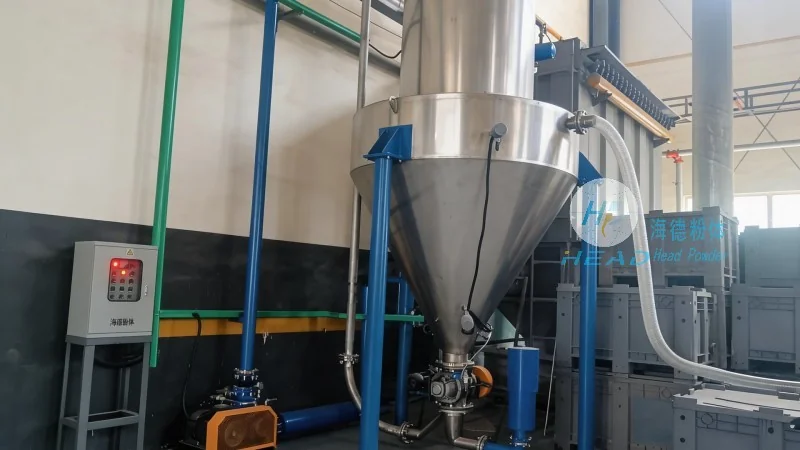
Carbon black is a fine, black powder produced through the incomplete combustion of hydrocarbons. It is widely used in the production of tires, plastics, inks, and other products, making its handling and transportation essential for industrial operations. Traditional methods of transporting carbon black, such as belt conveyors or bucket elevators, often face challenges like material degradation, dust generation, and operational inefficiencies. These issues have led to the development and adoption of advanced pneumatic conveying systems, which offer a more controlled and effective way to move carbon black from storage to processing units.
The Core Components of a Carbon Black Pneumatic Conveying System
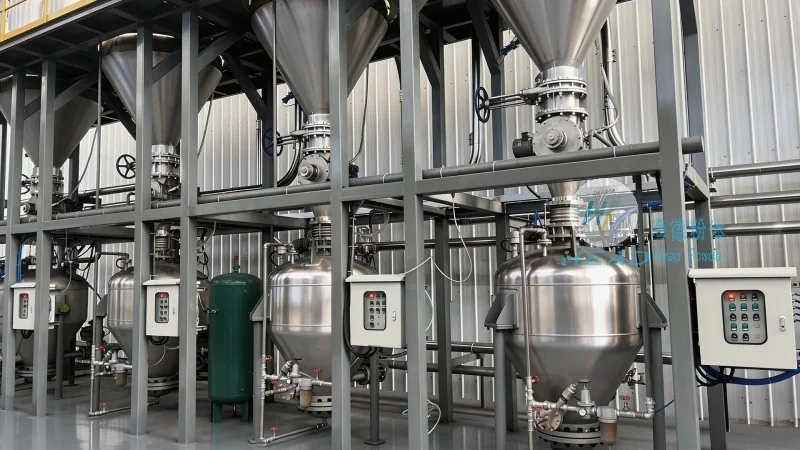
A typical carbon black pneumatic conveying system consists of several key components that work in tandem to ensure smooth material transport. These components include a hopper or storage silo for material storage, a conveyor line (either positive or negative pressure), a filter system to capture and recycle dust, and a control unit to regulate the flow and pressure. The system may also incorporate features like rotary valves, airlocks, and pressure vessels to manage the material flow and prevent blockages. Each component is designed to handle the specific properties of carbon black, such as its fine particle size and high density, ensuring optimal performance and safety.
Advantages of Carbon Black Pneumatic Conveying
One of the primary advantages of carbon black pneumatic conveying is its ability to handle fine powders without degradation. Unlike mechanical conveyors that can cause attrition and particle size reduction, pneumatic systems maintain the integrity of the carbon black particles, which is crucial for applications where particle size and surface area are critical. Additionally, pneumatic conveying offers a dust-free environment, reducing the risk of contamination and improving workplace safety. The system also provides better control over the material flow, allowing for precise dosing and consistent delivery to processing equipment. Another significant benefit is the reduced need for maintenance compared to traditional conveyors, as there are fewer moving parts and less wear and tear on components.
Efficiency and Cost-Effectiveness in Carbon Black Handling
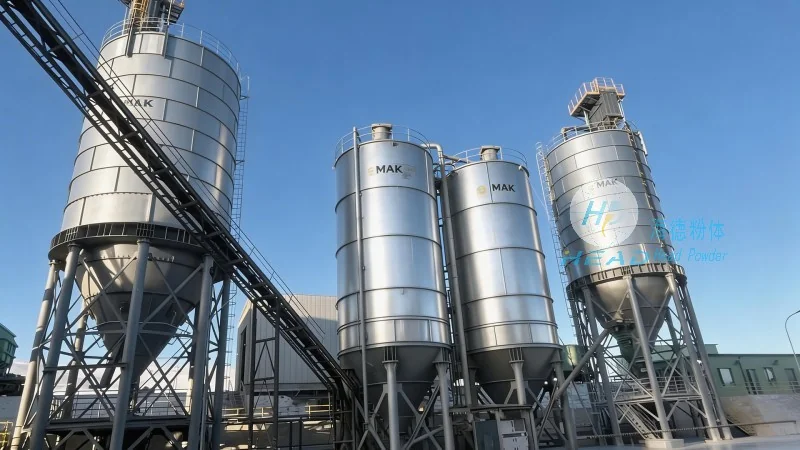
Carbon black pneumatic conveying systems are known for their high efficiency in material handling. By using compressed air to move the material, these systems can transport carbon black over long distances with minimal energy consumption. This efficiency translates into cost savings for manufacturers, as less energy is required to move the material compared to mechanical systems. Furthermore, the reduced downtime due to fewer maintenance requirements and the ability to handle large volumes of material at once contribute to overall operational cost reductions. The system's ability to integrate with existing industrial processes also makes it a flexible and adaptable solution for various production environments.

Application-Specific Considerations for Carbon Black Conveying
When implementing a carbon black conveying system, several factors must be considered to ensure optimal performance. The choice between positive and negative pressure systems depends on the distance and layout of the conveying line. Positive pressure systems are suitable for short to medium distances, while negative pressure systems are better for longer distances or when the material needs to be transported from multiple sources. The system's design must also account for the carbon black's moisture content and potential for caking, as these factors can affect the flow and require additional equipment like drying or anti-caking agents. Proper filtration is another critical consideration to prevent dust accumulation and maintain air quality in the processing facility.
Conclusion: The Role of Advanced Conveying Systems in Carbon Black Industry
Carbon black pneumatic conveying systems represent a significant advancement in material handling technology, offering numerous advantages over traditional methods. By maintaining the quality of the material, ensuring safety, and improving operational efficiency, these systems are essential for modern industrial applications. Shandong HeadPowder Engineering Co., Ltd., with its expertise in carbon black processing and conveying solutions, provides tailored systems that meet the specific needs of clients in Shandong and beyond. The adoption of such advanced systems not only enhances productivity but also contributes to a more sustainable and efficient manufacturing process in the carbon black industry.