

Pharmaceutical Conveying Systems: Advantages and Features of Pneumatic Conveying
Pharmaceutical conveying systems are critical components in the manufacturing and distribution of medicinal products. These systems are designed to safely and efficiently transport powders, granules, and other bulk materials used in pharmaceutical production. The choice of conveying technology significantly impacts product quality, operational efficiency, and compliance with regulatory standards. Among the various methods available, pneumatic conveying stands out as a preferred solution for many pharmaceutical applications due to its unique advantages.
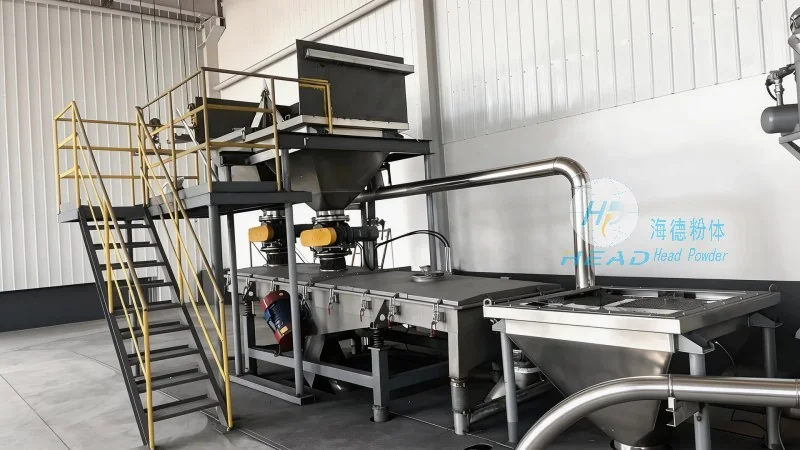
HeadPowder: A Leader in Pharmaceutical Conveying Solutions
Shandong HeadPowder Engineering Co., Ltd., commonly known as HeadPowder, is a specialized manufacturer and supplier of advanced pharmaceutical conveying equipment. With a focus on innovation and adherence to industry standards, HeadPowder has established itself as a trusted partner for pharmaceutical companies seeking reliable and efficient material handling solutions. HeadPowder's headquarters is located in Shandong, China, where the company leverages local expertise and resources to develop cutting-edge technologies tailored to the pharmaceutical sector.
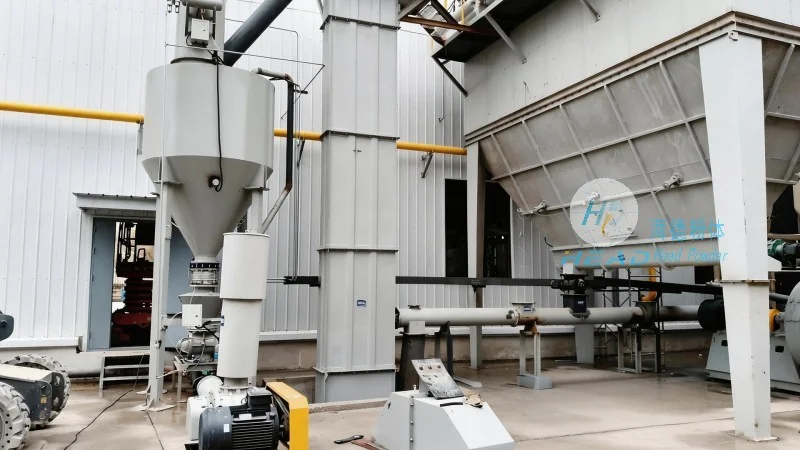
The Importance of Reliable Pharmaceutical Conveying
In the pharmaceutical industry, the integrity of raw materials and finished products is paramount. Conveying systems must maintain a sterile environment, prevent contamination, and ensure precise control over material flow. Traditional mechanical conveying methods, such as belt conveyors or screw conveyors, may introduce risks of cross-contamination or product degradation. Pneumatic conveying, by contrast, offers a closed system that minimizes exposure to external elements, making it ideal for handling sensitive pharmaceuticals. This is why many leading pharmaceutical manufacturers rely on pneumatic conveying for their critical material transport needs.
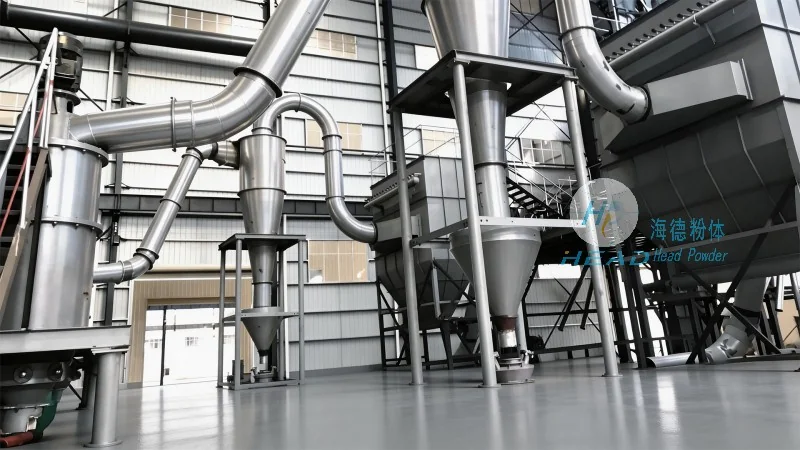
Advantages of Pneumatic Conveying in Pharmaceuticals
Pneumatic conveying systems utilize air or other gases to move bulk materials through a network of pipes and ducts. This method offers several key advantages that make it particularly suitable for pharmaceutical applications:
- Hygienic and Sterile Operation: Pneumatic conveying systems can be designed with smooth, easy-to-clean surfaces and sealed components, reducing the risk of microbial growth and product contamination. This is essential for maintaining compliance with GMP (Good Manufacturing Practice) regulations.
- Efficient and Flexible Material Handling: Pneumatic systems can transport materials over long distances and through complex layouts without the need for multiple transfer points. They can also handle a wide range of particle sizes and densities, making them versatile for various pharmaceutical products.
- Reduced Product Degradation: Unlike mechanical conveyors that may cause friction or impact, pneumatic conveying minimizes physical stress on materials. This helps preserve the quality and stability of sensitive pharmaceuticals, such as active pharmaceutical ingredients (APIs) and biologics.
- Low Maintenance and Longevity: Pneumatic systems typically have fewer moving parts compared to mechanical alternatives, resulting in lower maintenance requirements and longer operational lifespans. This translates to cost savings and increased uptime for pharmaceutical manufacturers.
- Scalability and Customization: HeadPowder offers customized pneumatic conveying solutions tailored to specific production needs. Whether for small-scale R&D facilities or large-scale manufacturing plants, the company can design systems that meet unique requirements, including varying flow rates, pressure levels, and material characteristics.
Key Features of HeadPowder's Pneumatic Conveying Solutions
HeadPowder's pneumatic conveying systems are engineered with precision and attention to detail, incorporating features that enhance performance and reliability. These systems include:
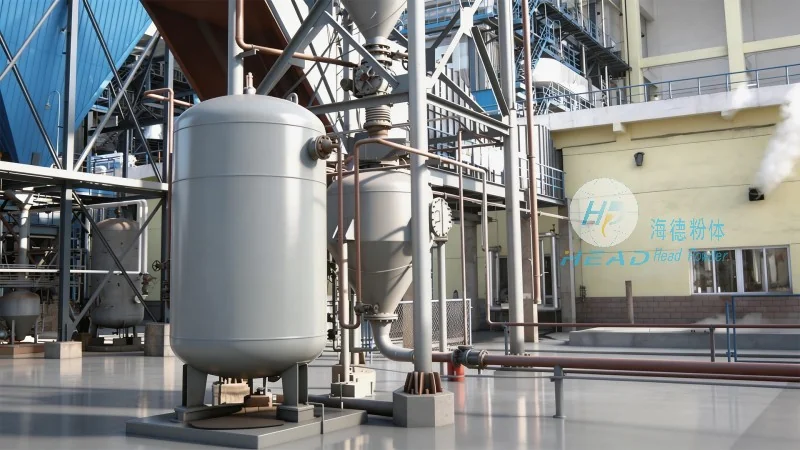
- Advanced Control Systems: Integrated control panels allow for real-time monitoring and adjustment of conveying parameters, ensuring optimal performance and preventing system failures.
- Material-Specific Design: The company designs conveyors with materials that are compatible with pharmaceuticals, such as stainless steel, PTFE, or food-grade plastics, to prevent chemical reactions or contamination.
- Energy Efficiency: Modern pneumatic systems are optimized for energy consumption, reducing operational costs while maintaining high efficiency.
- Compliance with Regulatory Standards: All products are manufactured in accordance with international standards, including ISO, FDA, and GMP, ensuring that they meet the stringent requirements of the pharmaceutical industry.
Conclusion: Choosing the Right Pharmaceutical Conveying System
For pharmaceutical manufacturers, selecting the appropriate conveying system is a critical decision that impacts product quality, operational efficiency, and regulatory compliance. Pneumatic conveying, with its inherent advantages in hygiene, efficiency, and flexibility, is a preferred choice for many applications. HeadPowder, with its expertise and commitment to quality, provides reliable and customized pneumatic conveying solutions that address the unique challenges of the pharmaceutical sector. By partnering with HeadPowder, pharmaceutical companies can enhance their material handling processes, reduce risks, and ensure the consistent delivery of high-quality medicinal products.