

Introduction to Coke Powder Conveying Systems and the Advantages of Pneumatic Conveying for Coke Pow
Efficient and reliable transportation of coke powder is a critical requirement in various industrial sectors, particularly in steel production and chemical processing. Traditional bulk material handling methods often face challenges such as dust pollution, operational inefficiencies, and safety hazards. To address these issues, pneumatic conveying systems have emerged as a preferred solution for transporting coke powder over long distances with minimal environmental impact.
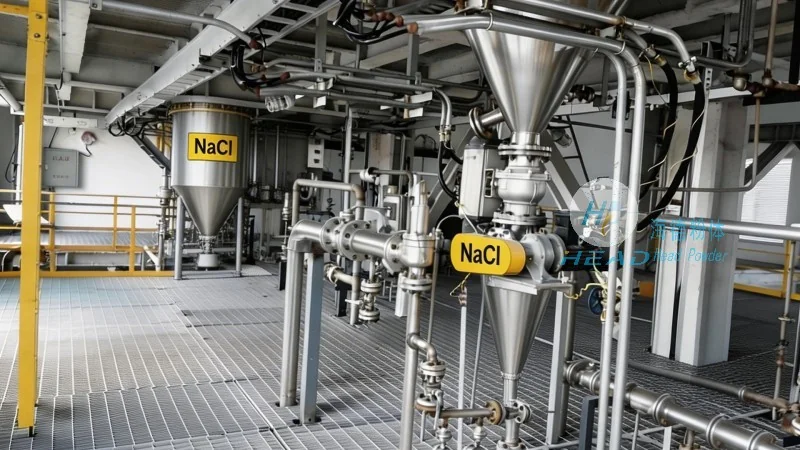
Advantages of Pneumatic Conveying for Coke Powder
Pneumatic conveying offers several key advantages that make it an ideal choice for coke powder transportation. Firstly, it provides a dust-free environment, significantly reducing the risk of respiratory issues and contamination in the workplace. Unlike mechanical conveyors, which may generate dust during operation, pneumatic systems enclose the material within a sealed pipeline, ensuring that the powder remains contained throughout the conveying process. This not only enhances workplace safety but also complies with environmental regulations regarding particulate emissions.
Secondly, pneumatic conveying systems can handle a wide range of particle sizes and moisture content in coke powder. The flexibility of the system allows for the transportation of both dry and slightly moist powders without the need for additional drying or conditioning steps. This adaptability is particularly beneficial in industries where coke powder characteristics vary due to different production processes or raw material sources.
Thirdly, the efficiency of pneumatic conveying in terms of energy consumption and operational speed is noteworthy. Modern systems utilize high-efficiency blowers and optimized pipeline designs to minimize energy usage while maintaining high throughput rates. This results in lower operational costs and reduced carbon footprint compared to traditional conveyor systems. Additionally, the ability to control the flow rate and pressure within the system allows for precise regulation of the conveying process, ensuring consistent material delivery to downstream processes.
Components of a Typical Coke Powder Pneumatic Conveying System
A coke powder pneumatic conveying system typically consists of several key components that work in tandem to ensure smooth and efficient operation. The primary components include a material feed hopper, a blower or air compressor, a conveying pipeline network, control valves, and a discharge unit. Each component plays a crucial role in the overall performance of the system.
The material feed hopper is responsible for storing and feeding the coke powder into the system. It is designed with a hopper angle that minimizes material bridging and ensures a consistent flow of powder into the conveying line. The hopper may also include a level sensor to monitor the material inventory and trigger an alarm when the feed is low, preventing system downtime.
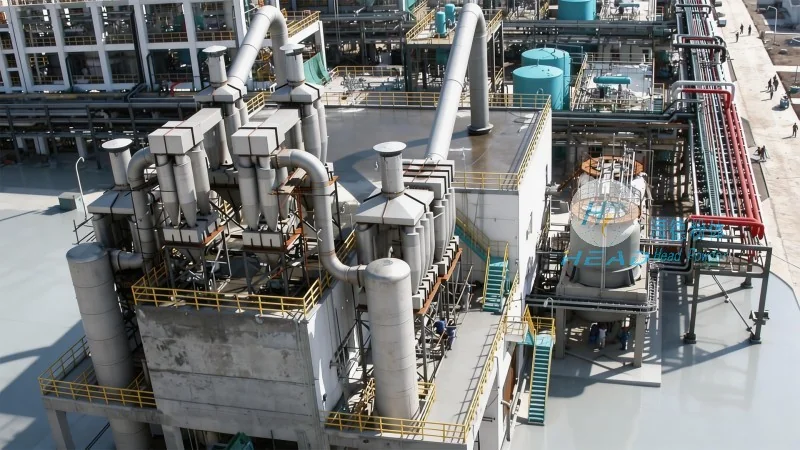
The blower or air compressor is the heart of the pneumatic system, providing the necessary air pressure to move the coke powder through the pipeline. Modern blowers are equipped with variable frequency drives (VFDs) that allow for adjustable air flow and pressure, enabling precise control over the conveying rate. This flexibility is essential for adapting to varying material loads and ensuring optimal system performance.
The conveying pipeline network is constructed from durable materials such as stainless steel or high-density polyethylene (HDPE) to withstand the abrasive nature of coke powder and resist corrosion. The pipeline is designed with appropriate bends and elbows to maintain the air flow velocity and prevent material deposition or blockages. The use of smooth, non-porous surfaces in the pipeline reduces friction and ensures consistent material transport.
Control valves, including inlet and outlet valves, are strategically placed along the pipeline to regulate the flow of air and material. These valves allow for the start and stop of the conveying process, as well as the control of pressure and flow rates. Advanced control systems, such as programmable logic controllers (PLCs), are often integrated into the system to automate the operation and optimize performance based on real-time data.
The discharge unit is responsible for delivering the coke powder to the final destination, such as a storage silo or processing equipment. It may include a rotary valve or a metering device to control the discharge rate and prevent overfilling. The discharge unit is designed to handle the abrasive nature of coke powder and ensure a smooth, consistent flow of material.
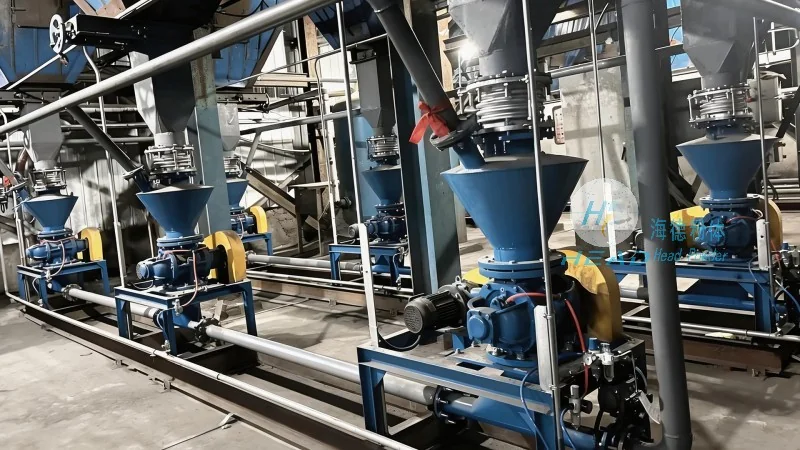
HeadPowder's Customized Solutions for Coke Powder Conveying
Shandong HeadPowder Engineering Co., Ltd., commonly known as HeadPowder, specializes in the design, manufacturing, and installation of advanced coke powder pneumatic conveying systems. With years of experience in the industry, HeadPowder has developed a comprehensive range of solutions tailored to meet the specific needs of clients in various sectors. The company's approach focuses on understanding the unique challenges faced by each client and providing customized solutions that enhance operational efficiency and safety.
HeadPowder's team of engineers and technicians works closely with clients to assess their material handling requirements, including the type and quantity of coke powder, the distance to be conveyed, and the desired throughput rate. Based on this assessment, the company designs a system that incorporates the most suitable components and technology to achieve optimal performance. The design process involves detailed calculations and simulations to ensure that the system meets all operational and safety standards.
HeadPowder's systems are manufactured using high-quality materials and components, ensuring durability and reliability. The company adheres to international standards and quality control measures to guarantee that each system is built to the highest specifications. Additionally, HeadPowder provides comprehensive installation and commissioning services, ensuring that the system is properly set up and tested before delivery to the client.
Post-installation, HeadPowder offers maintenance and support services to ensure the long-term performance of the conveying system. The company's technical support team is available to provide assistance with any issues that may arise, and regular maintenance schedules are recommended to prevent system failures and extend the lifespan of the equipment. This commitment to after-sales service ensures that clients can rely on the system for consistent and efficient operation.
Conclusion
In conclusion, pneumatic conveying systems offer significant advantages for the transportation of coke powder, including dust-free operation, flexibility, and efficiency. The components of a typical system, such as the feed hopper, blower, pipeline, and control valves, work together to ensure smooth and reliable material handling. HeadPowder, with its expertise and customized solutions, plays a crucial role in providing industrial clients with advanced coke powder conveying systems that meet their specific needs and enhance overall operational performance.