

Principle and Classification Application of Resin Pneumatic Conveying
Resin pneumatic conveying is a critical technology in material handling, particularly for transporting resin powders and granules in industrial settings. This method leverages air pressure to move materials through a pipeline system, offering advantages such as low maintenance, flexibility in layout, and the ability to handle sensitive materials without mechanical contact. Understanding the working principle and various classification applications of resin pneumatic conveying is essential for optimizing material transport processes in manufacturing and processing industries.
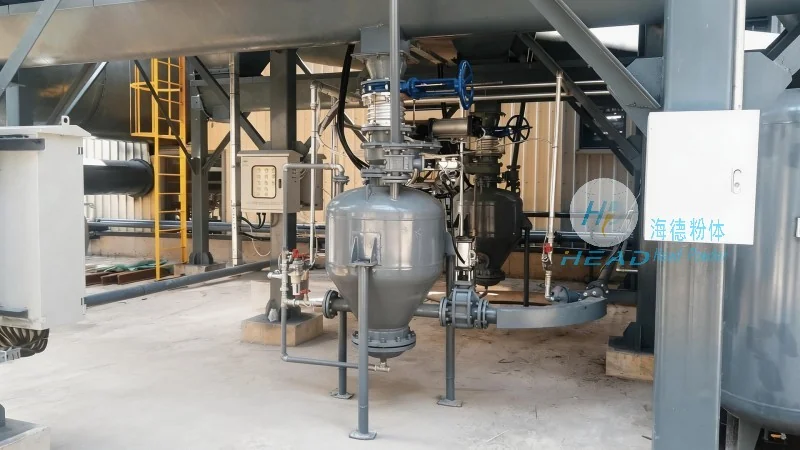
Working Principle of Resin Pneumatic Conveying
The core mechanism of resin pneumatic conveying involves the use of compressed air to create a flow that transports resin particles. The process typically starts with the resin material being introduced into a hopper or feeder, where it is then drawn into a pipeline by the air flow. The air, often under positive pressure (pressure conveying) or negative pressure (suction conveying), propels the resin through the system. Key components include the hopper, feeder, pipeline, and receiver. The air velocity must be sufficient to overcome the gravitational force and frictional resistance of the resin particles, ensuring stable and efficient transport. The design of the conveying system, including the size of the pipeline and the air velocity, is critical to prevent particle segregation, agglomeration, or degradation of the resin.
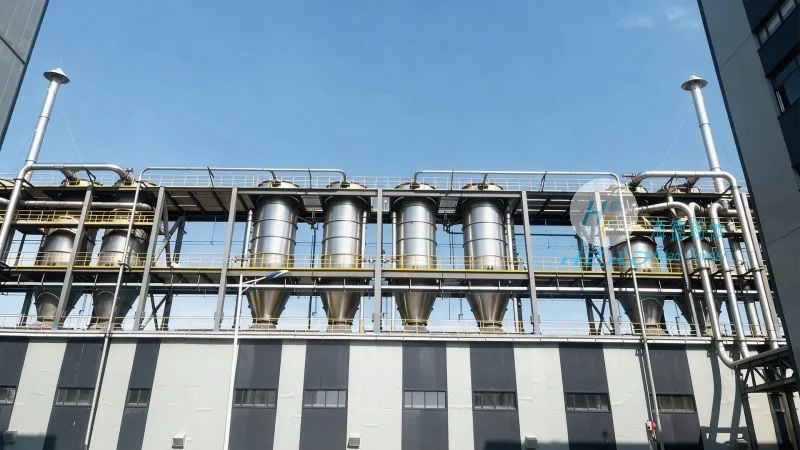
Classification of Resin Pneumatic Conveying Systems
Resin pneumatic conveying systems are categorized based on the air pressure and the direction of material flow. The primary classifications include pressure conveying, suction conveying, and mixed conveying. Pressure conveying systems use positive pressure to push the resin through the pipeline, typically from a central storage tank or a processing unit. This method is suitable for long-distance or high-volume transport and is commonly used in large-scale resin production facilities. Suction conveying, on the other hand, employs negative pressure to draw the resin from a hopper or storage area into the pipeline. It is ideal for applications requiring gentle handling of delicate resin particles, such as in pharmaceutical or food processing industries. Mixed conveying systems combine elements of both pressure and suction, using a combination of positive and negative pressure to optimize material transport under varying conditions. Each classification has distinct advantages and is selected based on the specific requirements of the resin type, transport distance, and operational environment.
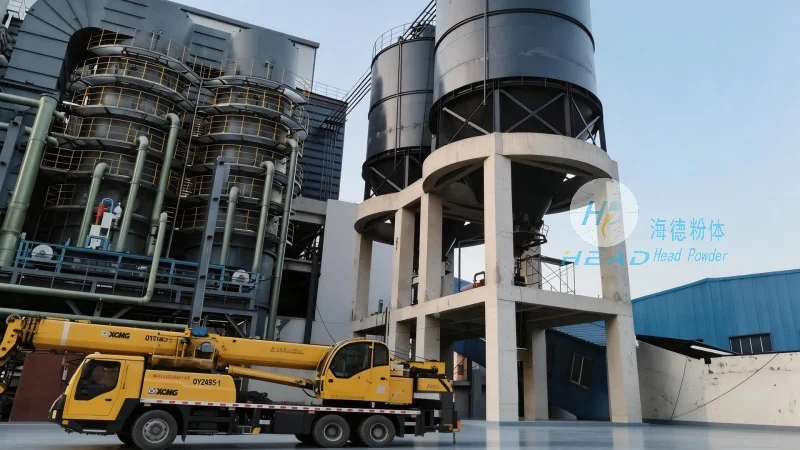
Application Scenarios in Industrial Settings
Resin pneumatic conveying finds extensive applications across various industries due to its versatility and efficiency. In the plastics manufacturing sector, it is widely used to transport resin powders from storage silos to extrusion or molding machines. This ensures a continuous and controlled supply of raw materials, enhancing production throughput and reducing downtime. The automotive industry also relies on resin pneumatic conveying for transporting resin components to assembly lines, where precision and speed are crucial. In the chemical industry, the method is employed to handle resin-based chemicals, ensuring safe and efficient transport while minimizing exposure to hazardous materials. Additionally, in the aerospace and electronics industries, resin pneumatic conveying is used for transporting fine resin powders used in composite manufacturing, where material purity and consistency are paramount. The ability to handle different resin types, including thermoplastic and thermosetting resins, makes this technology adaptable to diverse industrial needs.
Key Considerations for System Design and Operation
Designing an effective resin pneumatic conveying system requires careful consideration of several factors to ensure optimal performance and longevity. The first consideration is the selection of the appropriate conveying method based on the resin characteristics, such as particle size, density, and moisture content. For example, fine resin powders may require higher air velocities and more robust filtration systems to prevent clogging. The pipeline design, including the diameter and material, must be selected to accommodate the resin flow without causing excessive pressure drop or particle degradation. Regular maintenance of the system, including cleaning of filters and checking for air leaks, is essential to maintain efficiency and prevent material buildup. Additionally, the system should be equipped with safety features, such as pressure relief valves and dust collection systems, to ensure safe operation and compliance with industrial safety standards. Proper training of operators on the system's operation and maintenance is also critical to maximize the system's lifespan and performance.
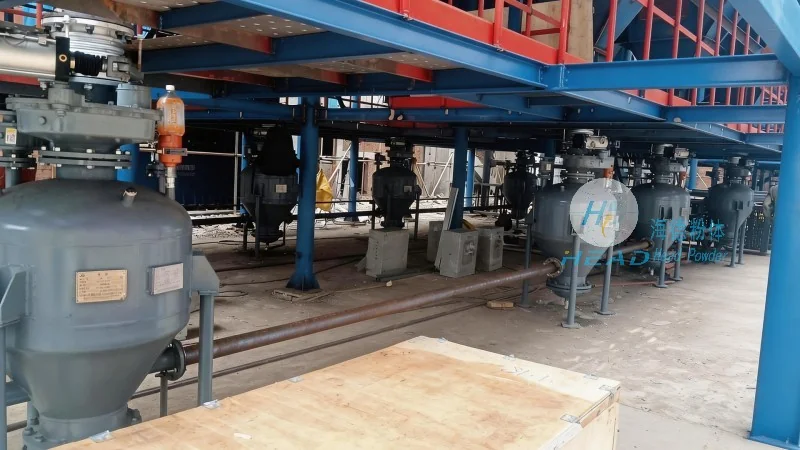
Conclusion and Company Overview
Resin pneumatic conveying is a sophisticated and efficient method for transporting resin materials in industrial applications. By understanding the working principles and classification applications, industries can optimize their material handling processes, improve productivity, and enhance safety. Shandong HeadPowder Engineering Co., Ltd., a leading provider in this field, specializes in designing and manufacturing customized resin pneumatic conveying systems tailored to the specific needs of clients. With a focus on quality, innovation, and customer satisfaction, the company serves a wide range of industries, including plastics, automotive, chemical, and aerospace. HeadPowder's expertise in system design, material handling, and operational efficiency ensures that clients receive reliable and effective solutions for their resin transport needs. Based in Shandong, China, the company leverages its local resources and industry knowledge to deliver high-quality products and services that meet international standards. Whether for pressure, suction, or mixed conveying applications, HeadPowder provides comprehensive solutions that enhance the performance and efficiency of resin handling processes.