

Principles and Classification Applications of Grass Material Pneumatic Conveying
HeadPowder, a leading provider in the field of material handling solutions, specializes in advanced pneumatic conveying systems tailored for diverse industrial applications. This article delves into the fundamental principles of grass material pneumatic conveying, explores its various classification methods, and illustrates practical applications across different sectors.
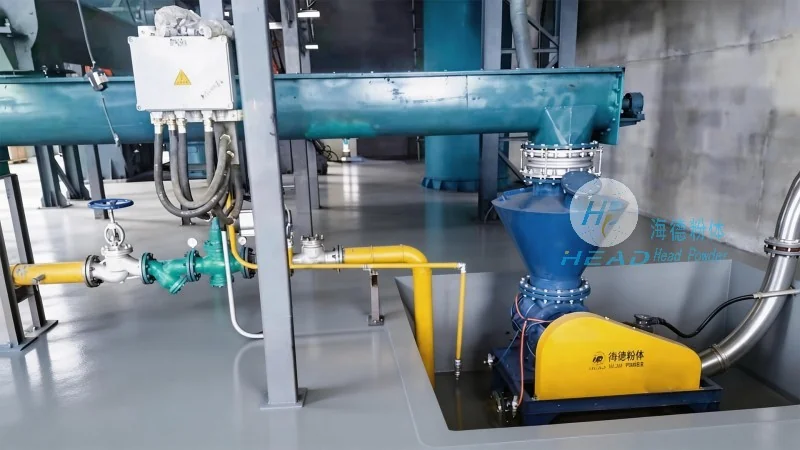
Introduction to Pneumatic Conveying Systems
Pneumatic conveying, also known as air conveying, is a technology that utilizes pressurized or vacuum air to transport bulk materials from one location to another. This method offers a flexible and efficient solution for moving materials like grass, grains, and other bulk solids, particularly in agricultural and processing industries. The core of this technology lies in the ability to control the flow of material using air pressure, enabling smooth and continuous material transfer without the need for mechanical components like belts or buckets.
Key Components and Working Principle
The operation of a pneumatic conveying system for grass materials typically involves several key components: a hopper for material storage, a conveyor line (either positive pressure or negative pressure), a separator to remove air from the material stream, and a discharge point for the processed material. The working principle revolves around creating a pressure differential that propels the material through the system. In positive pressure systems, compressed air is introduced into the hopper, pushing the material along the pipeline. Conversely, negative pressure systems use a vacuum to draw material from the source into the system. For grass materials, which are often lightweight and prone to dust, the system must be designed to handle these characteristics effectively, ensuring minimal material degradation and efficient air separation.
Classification of Pneumatic Conveying Systems
Pneumatic conveying systems for grass materials can be classified based on several factors, including the pressure used, the type of material being conveyed, and the system's configuration. The primary classifications include:
1. Positive Pressure Conveying
Positive pressure systems use compressed air to force material through the pipeline. This method is ideal for conveying grass materials over longer distances and through complex layouts, as the air pressure can maintain a consistent flow rate. The system typically includes a blower or compressor to generate the necessary pressure, and the material is transported in a dense phase, which reduces the risk of material degradation and improves overall efficiency.
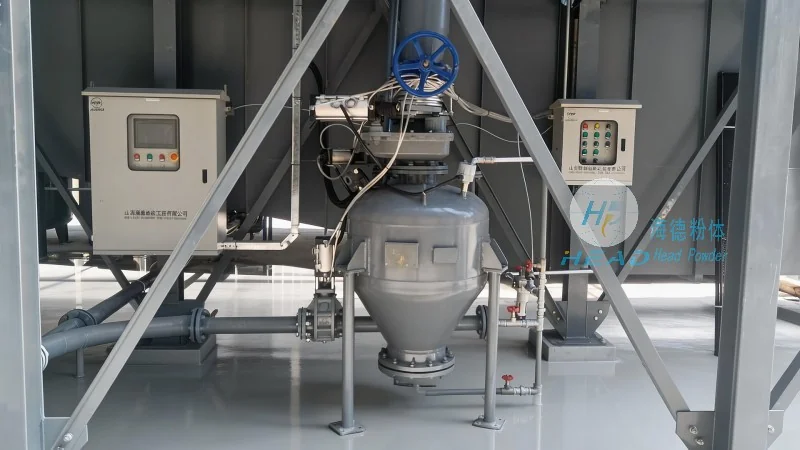
2. Negative Pressure (Vacuum) Conveying
Negative pressure systems use a vacuum to draw material from the source into the system. This approach is well-suited for applications where the material needs to be transported from a higher elevation to a lower one, or where the material is sensitive to pressure changes. The vacuum is created by a fan or vacuum pump, and the material is transported in a dilute phase, which allows for the removal of air and dust from the material stream.
3. Dilute Phase vs. Dense Phase Conveying
Another classification is based on the material's phase within the pipeline. Dilute phase systems transport material in a low concentration, with air and material mixed together. This method is suitable for short distances and low material loads. Dense phase systems, on the other hand, transport material in a high concentration, with the material forming a solid plug within the pipeline. This method is ideal for longer distances and higher material loads, as it reduces the risk of material degradation and improves the system's efficiency.
Applications in Agricultural and Processing Industries
HeadPowder's pneumatic conveying solutions for grass materials find extensive applications in various industries. In the agricultural sector, these systems are used for the efficient transport of grass, hay, and other forage materials from fields to processing facilities or storage silos. The ability to handle large volumes of material with minimal labor and equipment makes pneumatic conveying an attractive option for farmers and agricultural businesses.
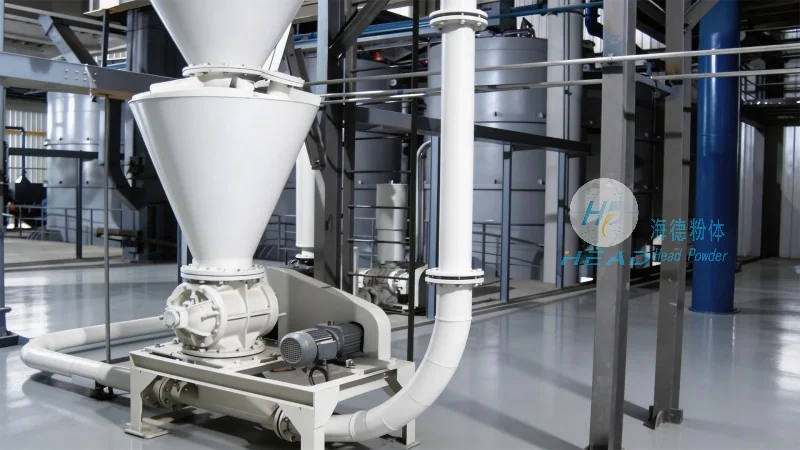
In the processing industry, pneumatic conveying is used to transport grass materials to processing plants, where they are converted into products such as animal feed, biofuels, or other value-added materials. The system's ability to maintain the quality of the material during transport is crucial, as grass materials are often sensitive to moisture and temperature changes. HeadPowder's systems are designed to minimize material degradation, ensuring that the final product meets quality standards.
Benefits and Advantages of Pneumatic Conveying for Grass Materials
Implementing pneumatic conveying systems for grass materials offers several benefits over traditional mechanical conveying methods. These include:
1. **Reduced Labor and Maintenance Costs**: Pneumatic systems require less manual labor for material handling and have fewer mechanical components, resulting in lower maintenance costs and increased operational efficiency.
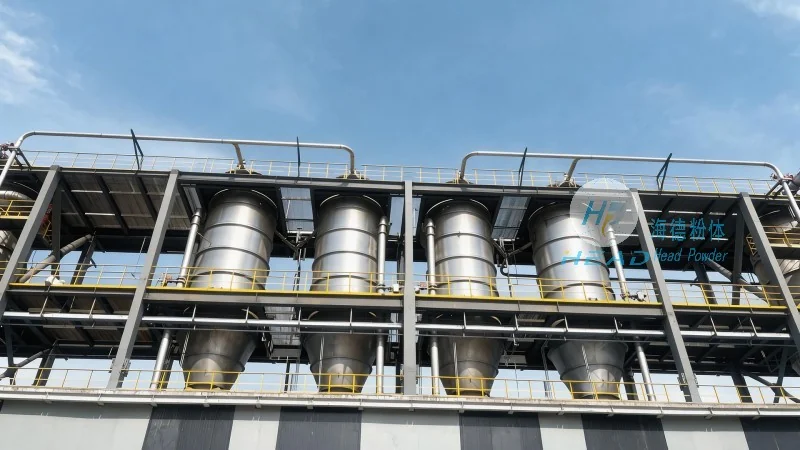
2. **Improved Material Quality**: The system's ability to maintain a consistent flow rate and minimize material degradation ensures that the final product meets quality standards, reducing waste and improving profitability.
3. **Flexibility and Scalability**: Pneumatic conveying systems can be easily scaled to accommodate changing production needs, and they can be configured to handle different types of grass materials and processing requirements.
4. **Environmental Benefits**: By reducing the need for trucks or other vehicles for material transport, pneumatic systems help minimize emissions and environmental impact, making them a more sustainable option for industrial operations.
Conclusion
HeadPowder Engineering Co., Ltd., based in Shandong, China, provides comprehensive pneumatic conveying solutions for grass materials, combining advanced technology with practical applications to meet the diverse needs of the agricultural and processing industries. By understanding the principles and classifications of pneumatic conveying, businesses can optimize their material handling processes, improve efficiency, and enhance overall productivity. With its commitment to quality and innovation, HeadPowder continues to be a trusted partner in the development of efficient material handling solutions for grass and other bulk materials.