

Rice Husk Pneumatic Conveying: Working Principles and Classification Applications
Pneumatic conveying systems for rice husk have become essential in various industrial processes, particularly in the agricultural and energy sectors. These systems efficiently transport rice husk, a byproduct of rice milling, from one location to another, ensuring optimal material handling and processing. Understanding the working principles and classification of these systems is crucial for selecting the most suitable equipment for specific applications.
Working Principles of Rice Husk Pneumatic Conveying Systems
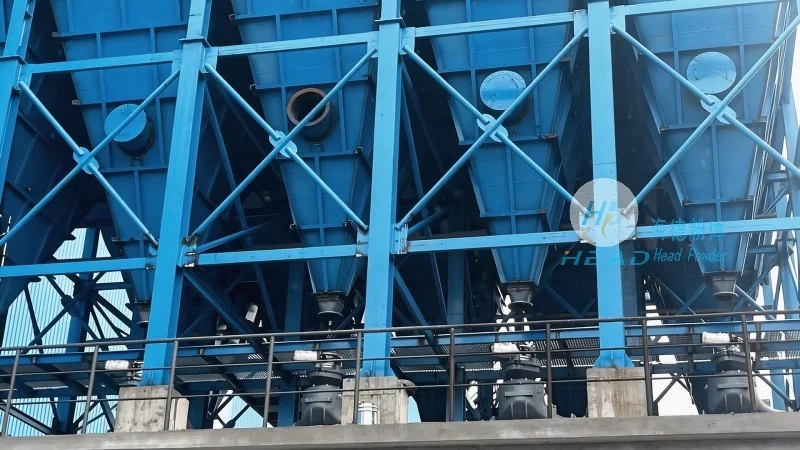
The core of rice husk pneumatic conveying lies in the use of air as the medium to transport the material. There are two primary types of pneumatic conveying systems: suction (or negative pressure) and pressure (or positive pressure) systems. In suction systems, a vacuum is created at the material inlet to draw the rice husk into the conveying line. This method is ideal for short to medium distances and when the material is light and free-flowing. Conversely, pressure systems use compressed air to push the material through the pipeline, making them suitable for longer distances and higher material loads.
Within these categories, different conveying methods are employed. Dilute phase conveying, where the material is suspended in the air stream, is commonly used for rice husk due to its light density. Dense phase conveying, which involves a slower air flow and higher material concentration, is used when the material is more abrasive or when gentle handling is required. The choice between these methods depends on factors such as the distance to be covered, the material's characteristics, and the desired throughput.
Classification of Rice Husk Pneumatic Conveying Applications
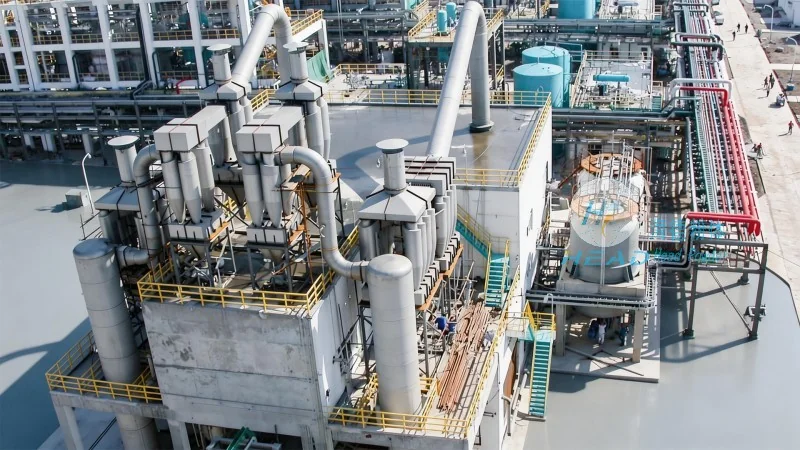
Rice husk, being a valuable resource, is utilized in multiple industries, and the pneumatic conveying systems are tailored to meet the specific needs of each application. In the feed industry, rice husk is processed into animal feed, and the conveying systems ensure that the material is transported without degradation. The systems are designed to handle the material's lightness and potential dust generation, maintaining hygiene standards. In the energy sector, rice husk is used as a biomass fuel, and the conveying systems are crucial for feeding the material into boilers or gasifiers. These systems must be robust and capable of handling the material's moisture content and variability.
Another significant application is in the production of activated carbon, where rice husk is carbonized and then activated. The pneumatic conveying systems in this process transport the raw husk to the carbonization furnaces and the activated carbon to the packaging units. The systems are engineered to maintain the material's quality, preventing contamination and ensuring consistent product output. Additionally, in the construction industry, rice husk is used as a bio-based material in composite boards, and the conveying systems facilitate the material's transport from storage to processing lines.
HeadPowder's Expertise in Rice Husk Pneumatic Conveying Solutions
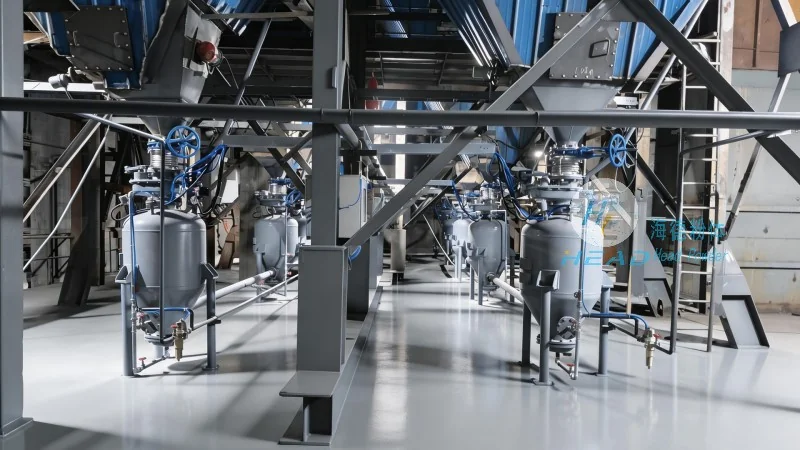
Shandong HeadPowder Engineering Co., Ltd., a leading provider of material handling solutions, specializes in designing and manufacturing customized pneumatic conveying systems for rice husk. With a deep understanding of the material's properties and the diverse application requirements, HeadPowder offers tailored solutions that enhance efficiency and reliability. The company's engineers work closely with clients to assess their specific needs, from the type of conveying system to the material handling capacity, ensuring that the final solution meets all operational and safety standards.
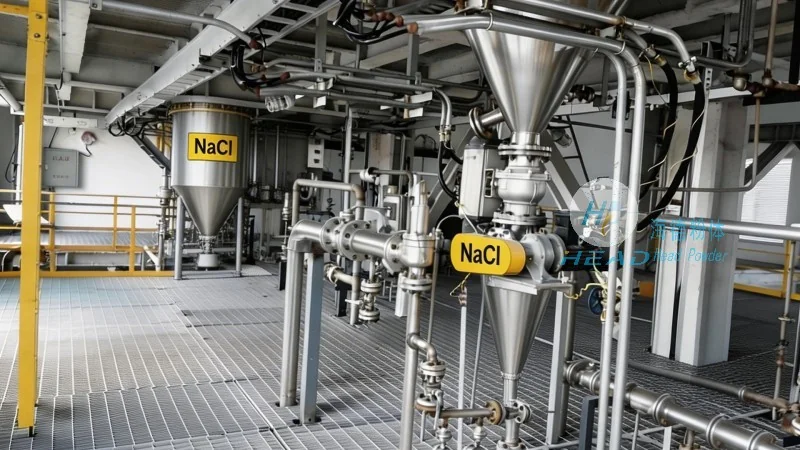
The company's systems are built with high-quality components, including durable pipelines, efficient air movers, and advanced control systems. The company adheres to international standards and incorporates the latest technological advancements to ensure optimal performance. For instance, their suction systems are equipped with high-efficiency vacuum pumps that minimize energy consumption while maintaining the required suction power. The pressure systems utilize energy-efficient compressors and pressure regulators to manage the air flow and pressure levels effectively.
The company's commitment to quality is evident in its manufacturing processes. All components are rigorously tested to ensure they meet the specified performance criteria. HeadPowder also provides comprehensive after-sales support, including installation, maintenance, and technical assistance, to ensure the longevity and optimal operation of the conveying systems. This comprehensive approach has made HeadPowder a trusted partner for businesses in the rice husk processing industry.