

Principle and Classification Application of Coal Ash Slag Pneumatic Conveying
Coal ash slag, a byproduct of coal combustion in thermal power plants, poses significant challenges in handling and disposal. Efficient and reliable transportation of this material is crucial for maintaining operational efficiency and environmental compliance. Pneumatic conveying systems have emerged as a sophisticated solution for handling coal ash slag, offering advantages such as dust-free operation, reduced labor costs, and enhanced safety compared to traditional methods like truck transport or belt conveyors.
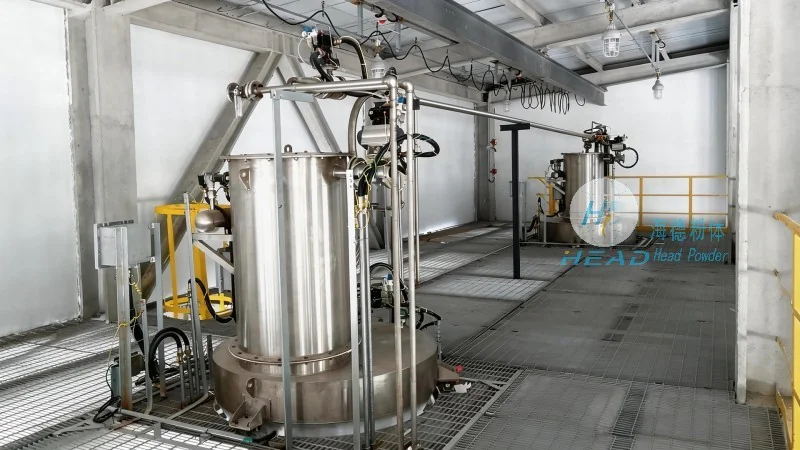
Working Principle of Pneumatic Conveying for Coal Ash Slag
Pneumatic conveying operates by transporting bulk materials through a pipeline using air or gas as the conveying medium. The process can be broadly categorized into two main types: suction (or vacuum) conveying and pressure conveying, each with distinct characteristics and applications.
Suction conveying systems utilize a vacuum pump to draw material from a hopper or storage silo into the conveying line. The material is then carried by the air flow to the discharge point. This method is ideal for short to medium-distance transport and is commonly used when the material is to be collected from multiple sources or when the discharge point is at a lower elevation than the source. The key components of a suction system include a vacuum pump, a hopper with a feeder, a filter to separate material from air, and a discharge valve.
Pressure conveying, on the other hand, uses a positive pressure blower to push material through the pipeline. This method is suitable for longer distances and higher material loads. The system typically includes a hopper, a feeder, a pressure blower, and a discharge valve at the end of the line. Pressure systems are often preferred when the discharge point is at a higher elevation or when the material needs to be transported to multiple destinations.
Both suction and pressure conveying systems can be further classified based on the air-to-material ratio. Low-velocity systems operate at lower air speeds (typically 10-20 m/s) and are suitable for fine powders and granular materials. High-velocity systems, with air speeds exceeding 20 m/s, are used for coarse materials or when higher transport distances are required. The choice of system depends on factors such as material characteristics, distance, and required discharge pressure.
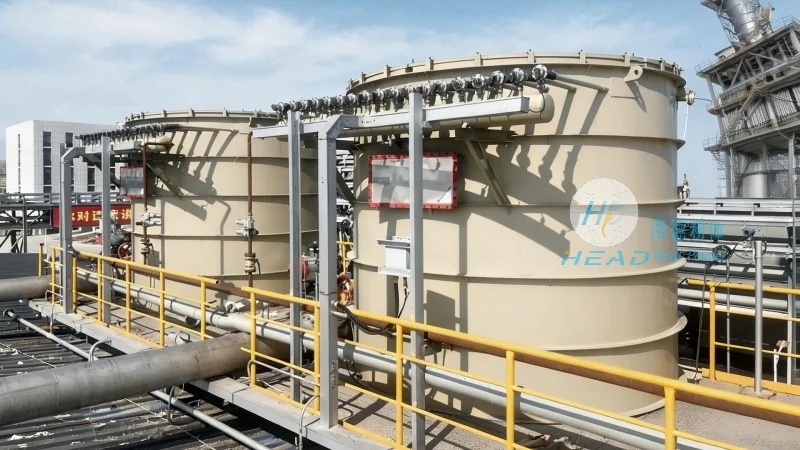
Classification and Application of Pneumatic Conveying Systems for Coal Ash Slag
The application of pneumatic conveying systems for coal ash slag is diverse, tailored to the specific requirements of each power plant or industrial facility. The classification of these systems is based on the conveying method, material properties, and operational needs.
1. Single-Stage Suction Conveying: This is the simplest form of pneumatic conveying, where material is drawn from a single source to a single destination. It is commonly used for short-distance transport within a power plant, such as moving ash from a boiler to a storage silo. The system is compact and requires minimal maintenance, making it cost-effective for small-scale applications.
2. Multi-Stage Suction Conveying: For longer distances or when material needs to be transported to multiple points, multi-stage suction systems are employed. These systems use intermediate vacuum pumps or blowers to boost the air pressure, allowing material to be conveyed over greater distances. This type of system is often used in large power plants where ash needs to be transported from the boiler house to a central storage facility or for disposal at a distant site.
3. Pressure Conveying with Recirculation: In this system, a portion of the conveyed material is recirculated back into the conveying line to maintain a consistent flow and prevent blockages. This is particularly useful for handling cohesive or sticky ash, which can cause clogging in the pipeline. The recirculation process helps to keep the material in a fluidized state, ensuring smooth transport.
4. High-Pressure Blending Systems: Some applications require the blending of coal ash with other materials, such as cement or fly ash, to produce composite products. High-pressure blending systems use high-pressure blowers to mix the materials thoroughly, ensuring uniform composition. This is commonly used in the production of construction materials or in the reutilization of ash for road construction.
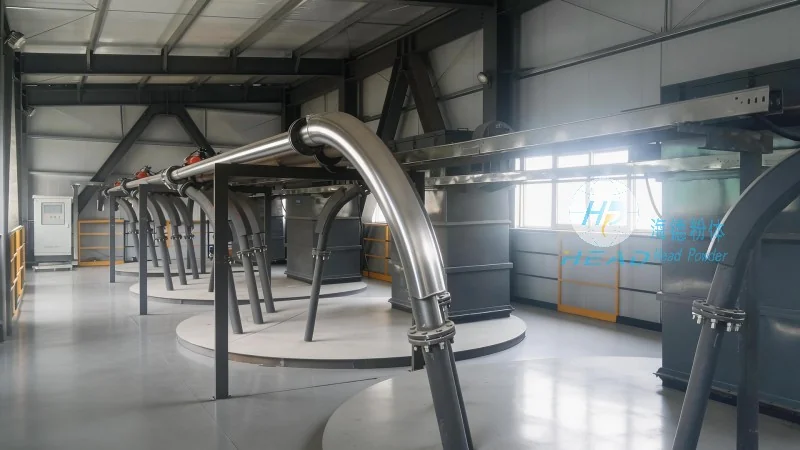
HeadPowder Engineering: Expertise in Pneumatic Conveying Solutions
Shandong HeadPowder Engineering Co., Ltd. is a leading provider of customized pneumatic conveying solutions tailored to the unique needs of coal ash slag handling. With years of experience in the industry, HeadPowder has developed a comprehensive range of systems designed to optimize efficiency, reduce operational costs, and ensure compliance with environmental regulations.
The company specializes in the design, manufacturing, and installation of both suction and pressure pneumatic conveying systems, catering to various scales of operation. Their expertise lies in understanding the specific challenges associated with coal ash slag, such as its abrasive nature, high moisture content, and potential for clogging. By leveraging advanced engineering techniques and materials, HeadPowder ensures that their systems are durable, reliable, and capable of handling the most demanding conditions.
HeadPowder's team of engineers works closely with clients to assess their operational requirements, material characteristics, and site constraints. This collaborative approach allows for the development of tailored solutions that maximize performance and minimize downtime. The company's commitment to quality is evident in its adherence to international standards and rigorous testing protocols, ensuring that each system meets the highest safety and efficiency benchmarks.
For power plants and industrial facilities seeking to enhance their coal ash slag handling capabilities, HeadPowder offers comprehensive services, including system design, equipment supply, installation, and after-sales support. By partnering with HeadPowder, clients can benefit from the company's extensive knowledge and experience, ensuring that their pneumatic conveying systems are optimized for long-term performance and sustainability.