

Principle and Classification Application of Magnesium Oxide Powder Pneumatic Conveying
HeadPowder, a leading provider in the field of powder handling technology, specializes in the efficient and reliable pneumatic conveying of magnesium oxide powder. This article aims to explore the fundamental principles behind pneumatic conveying systems and categorize their applications, offering a comprehensive overview for industry professionals and potential clients.
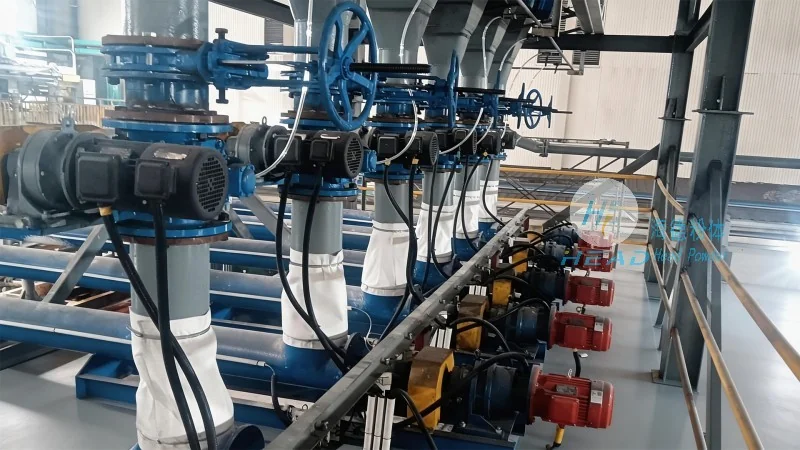
Understanding Pneumatic Conveying Systems
Pneumatic conveying, also known as pneumatic transport, is a method of transporting bulk materials like magnesium oxide powder through a pipeline using a gas stream, typically air. The core principle involves creating a pressure differential that propels the powder particles through the system. There are two main types of pneumatic conveying: pressure and vacuum systems. Pressure systems operate by injecting air or other gases under pressure into the material, while vacuum systems use a vacuum to draw the material into the pipeline.
Key Components of Pneumatic Conveying Systems
Effective pneumatic conveying of magnesium oxide powder relies on several critical components. These include the material feed system, which introduces the powder into the pipeline; the conveying line, which transports the material; the separation equipment, such as cyclones or filters, that separates the powder from the gas; and the dust collection system to ensure environmental compliance. Each component must be carefully selected and integrated to ensure optimal performance and minimal product degradation.
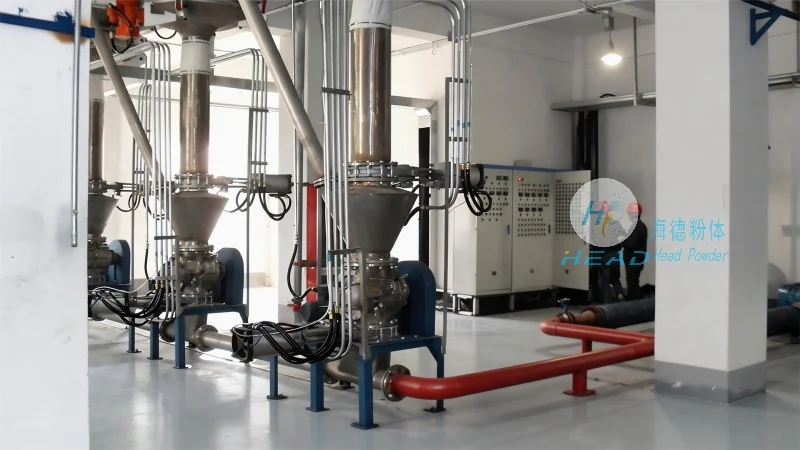
Classification of Pneumatic Conveying Applications
Pneumatic conveying systems for magnesium oxide powder are categorized based on the system's pressure, the material's properties, and the operational requirements. The primary classifications include dense-phase and dilute-phase conveying. Dense-phase systems operate at lower velocities, with the powder forming a plug or slurry within the pipeline, reducing particle impact and wear. Dilute-phase systems, on the other hand, operate at higher velocities, with the powder suspended in the gas stream, suitable for longer distances and higher throughput. Additionally, systems can be classified as positive displacement or venturi-based, each offering distinct advantages in terms of efficiency and cost.

Applications in Industrial Settings
The versatility of pneumatic conveying makes it suitable for a wide range of industrial applications involving magnesium oxide powder. In the construction industry, it is used for transporting raw materials to production facilities, ensuring a consistent supply of high-quality powder for cement and other building materials. In the chemical industry, pneumatic conveying facilitates the handling of magnesium oxide in manufacturing processes, from raw material transport to finished product packaging. The pharmaceutical sector also benefits from this technology, as it allows for the safe and hygienic handling of magnesium oxide, which is used in various medical and cosmetic products. Furthermore, in the food and beverage industry, pneumatic conveying is employed to transport magnesium oxide as an additive, ensuring precise dosing and minimal contamination.
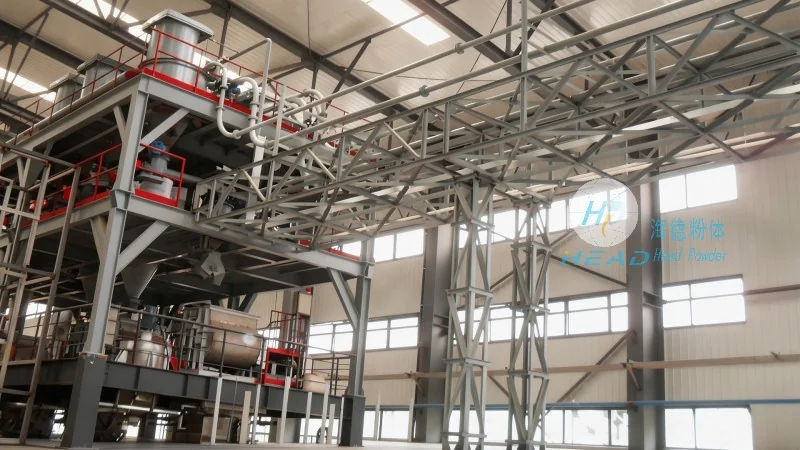
Advantages of Pneumatic Conveying for Magnesium Oxide Powder
Implementing pneumatic conveying systems for magnesium oxide powder offers several advantages over traditional methods like bucket elevators or belt conveyors. One of the most significant benefits is the reduction in material handling costs, as the system eliminates the need for multiple transfer points and reduces labor requirements. Additionally, pneumatic conveying minimizes product contamination and degradation, as the powder is enclosed within the pipeline, protecting it from moisture, dust, and other environmental factors. The technology also enhances safety by eliminating the need for manual handling of bulk materials, reducing the risk of accidents and injuries. Furthermore, the flexibility of pneumatic conveying systems allows for easy integration with existing production lines, enabling seamless material flow and improved operational efficiency.
Conclusion
HeadPowder Engineering Co., Ltd., based in Shandong, China, is committed to providing advanced pneumatic conveying solutions tailored to the specific needs of magnesium oxide powder applications. By understanding the fundamental principles and categorizing the applications of pneumatic conveying systems, industries can optimize their material handling processes, enhance productivity, and ensure compliance with environmental and safety standards. The efficient and reliable transport of magnesium oxide powder through pneumatic conveying systems is a testament to the technology's effectiveness and the expertise of companies like HeadPowder in the field.