

Principle and Classification Application of Silica Micropowder Pneumatic Conveying
HeadPowder, a leading enterprise in the field of powder handling technology, specializes in the design, manufacturing, and application of pneumatic conveying systems for silica micropowders. This article provides a detailed overview of the working principles and classification applications of silica micropowder pneumatic conveying, highlighting the technical aspects and practical implementations.
Introduction to Silica Micropowder Pneumatic Conveying
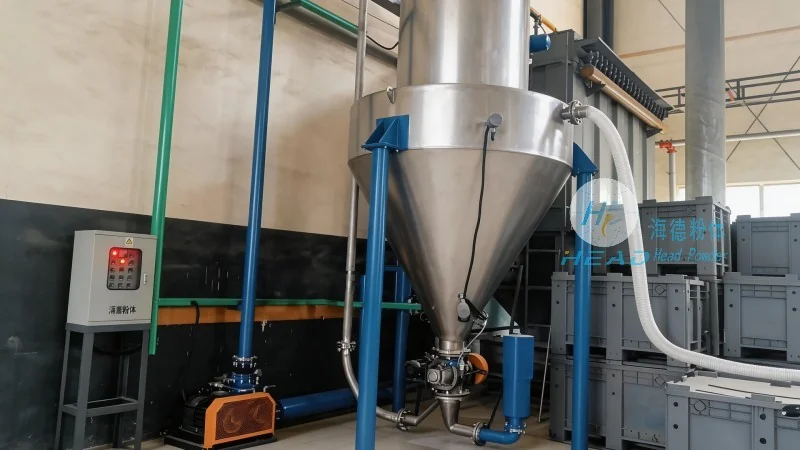
Silica micropowders, characterized by their fine particle size and high specific surface area, are widely used in industries such as electronics, ceramics, and pharmaceuticals. Pneumatic conveying is a critical method for transporting these powders due to its ability to handle fine particles efficiently while minimizing dust generation and contamination. The process involves using compressed air or suction to move the powder through a pipeline, making it a preferred choice for applications requiring precise control and cleanliness.
Working Principle of Silica Micropowder Pneumatic Conveying
The core principle of pneumatic conveying for silica micropowders is the interaction between the powder particles and the air stream. In a typical system, the powder is introduced into a pipeline where it is entrained by the moving air. The air velocity must be sufficient to overcome the gravitational and frictional forces acting on the particles, ensuring stable transport. There are two main types of pneumatic conveying systems: pressure and suction. Pressure systems use a positive pressure air source to push the powder through the pipeline, while suction systems use a vacuum to draw the powder from the source. For silica micropowders, the choice of system depends on factors like the distance to be conveyed, the particle size distribution, and the required flow rate.
Classification of Pneumatic Conveying Systems for Silica Micropowders
Pneumatic conveying systems for silica micropowders can be classified based on several parameters, including the air velocity, pressure differential, and particle concentration. The most common classifications are:
Rare Phase Pneumatic Conveying
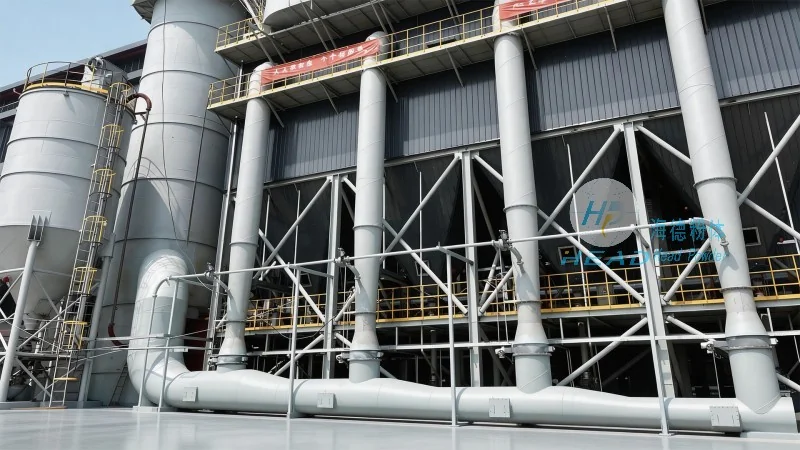
Rare phase systems operate at low particle concentrations, typically below 10% by volume. In this mode, the air velocity is high enough to keep the particles suspended, but the pipeline remains mostly empty. This type of system is suitable for conveying fine silica micropowders over short to medium distances, where the risk of blockage is low. The low particle concentration also reduces the pressure drop across the pipeline, making it energy-efficient for short transport distances.
Dense Phase Pneumatic Conveying
Dense phase systems operate at higher particle concentrations, often between 10% to 50% by volume. The air velocity is lower, allowing the particles to move in a more cohesive manner, reducing the risk of particle degradation and blockage. This method is particularly effective for silica micropowders with high moisture content or those prone to agglomeration. The higher particle concentration also results in a lower air velocity, which can help maintain the integrity of the powder particles during transport.
Pressure and Suction Conveying Variants
Within the rare and dense phase categories, further classification can be made based on the system's pressure characteristics. Pressure systems are commonly used for long-distance transport, as they can maintain a consistent pressure throughout the pipeline. Suction systems are often employed for short-distance or point-to-point applications, where the source is located near the receiver. For silica micropowders, the selection between pressure and suction depends on the specific application requirements, such as the need for high flow rates or the presence of multiple discharge points.
Application Scenarios for Silica Micropowder Pneumatic Conveying
The classification of pneumatic conveying systems allows for tailored solutions for various application scenarios involving silica micropowders. For instance, in the electronics industry, where high purity is critical, dense phase suction systems are often used to transport silica micropowders from storage silos to processing lines, minimizing contamination and ensuring consistent particle size distribution. In the ceramics industry, pressure rare phase systems are preferred for conveying silica micropowders to mixing and molding equipment, as they provide efficient and low-cost transport over moderate distances.
Key Considerations for Silica Micropowder Pneumatic Conveying
When implementing pneumatic conveying systems for silica micropowders, several factors must be considered to ensure optimal performance and system longevity. These include:
Particle Size and Flowability
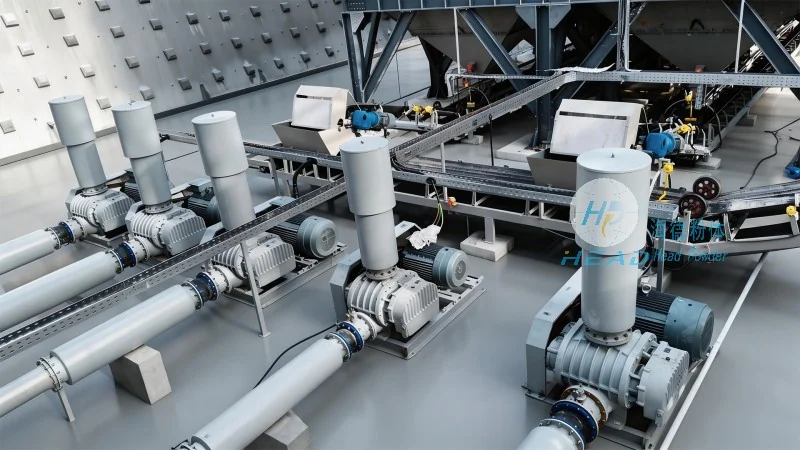
The particle size distribution of silica micropowders significantly impacts the conveying performance. Finer particles tend to have higher air resistance and are more prone to agglomeration, which can lead to blockages. Therefore, it is essential to pre-screen the powder to remove oversized particles and add flow aids if necessary to improve its flowability.
System Design and Pipeline Configuration
The design of the pneumatic conveying system, including the pipeline diameter, length, and bends, must be optimized for the specific silica micropowder characteristics. Properly sized pipelines minimize pressure drop and prevent particle degradation. The use of smooth, corrosion-resistant materials, such as stainless steel or PTFE-coated pipes, is crucial to avoid particle adhesion and maintain system efficiency.
Control and Monitoring Systems
Advanced control and monitoring systems are essential for maintaining consistent conveying performance. These systems can regulate air pressure, flow rate, and particle concentration in real-time, ensuring that the silica micropowders are transported efficiently and without damage. Sensors and indicators are used to detect blockages, pressure variations, and air leaks, allowing for timely maintenance and system adjustments.
Conclusion
Silica micropowder pneumatic conveying is a sophisticated and efficient method for transporting fine powders, offering advantages such as dust-free operation, precise control, and minimal contamination. The classification of systems based on phase, pressure, and application allows for tailored solutions that meet the specific requirements of different industries. As a leading provider in this field, Shandong HeadPowder Engineering Co., Ltd. leverages advanced technology and expertise to design and implement customized pneumatic conveying systems that enhance productivity and ensure the quality of silica micropowders in various applications.