

Principles and Classification Applications of Compound Fertilizer Pneumatic Conveying
Compound fertilizer pneumatic conveying systems are critical in modern agricultural and industrial operations, enabling efficient and reliable transport of bulk materials. This article provides an in-depth exploration of the working principles, classification, and practical applications of such systems, focusing on the technology's role in optimizing material handling processes.
Working Principles of Compound Fertilizer Pneumatic Conveying
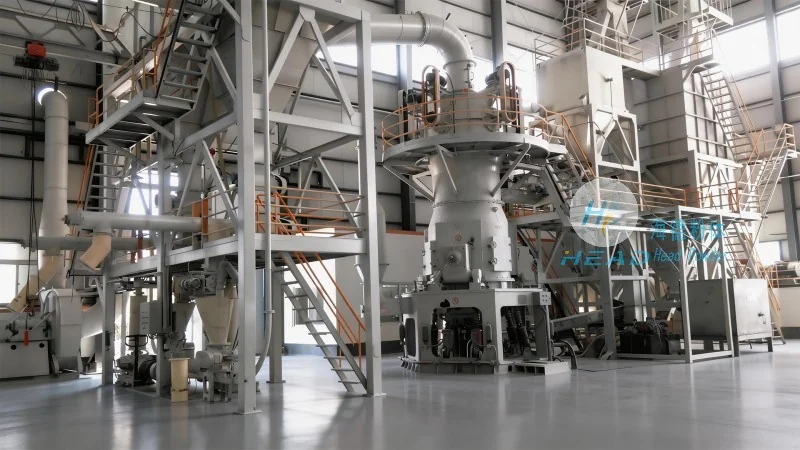
Compound fertilizer pneumatic conveying systems rely on the fundamental principle of transporting bulk materials using air as the conveying medium. The process begins with the material being fed into a hopper, where it is then metered into the conveying line by a rotary valve or feeder. A fan or blower then generates the necessary airflow, which creates a pressure differential that draws the fertilizer particles into the system. The air velocity is carefully controlled to ensure that the particles are suspended and transported through the pipeline without clogging or degradation. The system's efficiency is determined by the design of the conveying line, the selection of appropriate air velocity, and the use of durable materials for the components to withstand the abrasive nature of the fertilizer. The discharge point is where the material is released from the system, typically into a storage silo or loading vessel. The entire process is automated, with sensors and controls monitoring the system's performance to ensure optimal operation.
Classification of Compound Fertilizer Pneumatic Conveying Systems
Compound fertilizer pneumatic conveying systems are categorized based on several key factors, including the conveying method, the pressure used, and the application requirements. The primary classifications are pressure conveying and vacuum conveying. Pressure conveying systems utilize positive pressure to push the material through the pipeline, making them suitable for short to medium distances and a wide range of particle sizes and densities. These systems typically use a positive displacement blower or centrifugal fan to generate the pressure, which is maintained until the material reaches the discharge point. Vacuum conveying systems, conversely, operate by creating a negative pressure in the conveying line, drawing the material into the system through the inlet. These systems are ideal for long-distance transport and are commonly used in agricultural settings where fertilizer is delivered to farms from storage facilities. The choice between pressure and vacuum conveying depends on the specific application requirements, such as distance, material properties, and system cost.
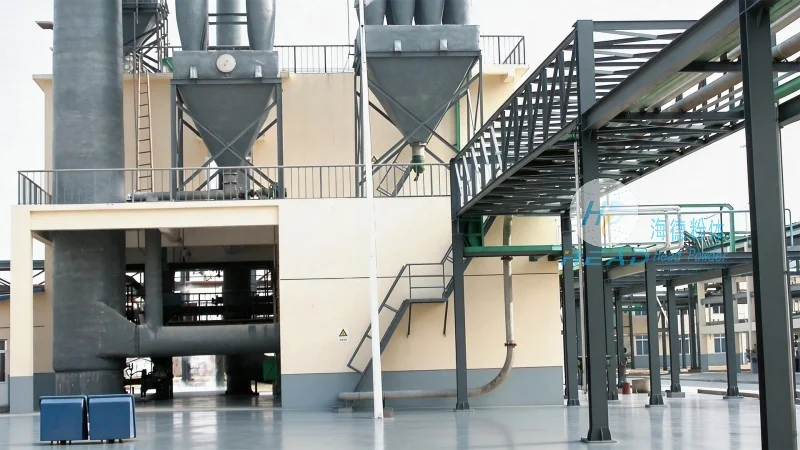
Another classification is based on the air-to-material ratio, which determines the phase of the conveying process. Dilute-phase conveying systems use low air-to-material ratios (typically 5 to 10 times the material's weight), where the material is suspended in the air and transported through the pipeline. This method is suitable for short to medium distances and is commonly used in industrial settings. Dense-phase conveying systems, on the other hand, use high air-to-material ratios (typically 10 to 20 times the material's weight), where the material is carried in a dense phase, closely packed together, and the air is used to push the material through the pipeline. Dense-phase systems are ideal for long-distance transport and are commonly used in applications requiring minimal material degradation and clogging.
Applications of Compound Fertilizer Pneumatic Conveying
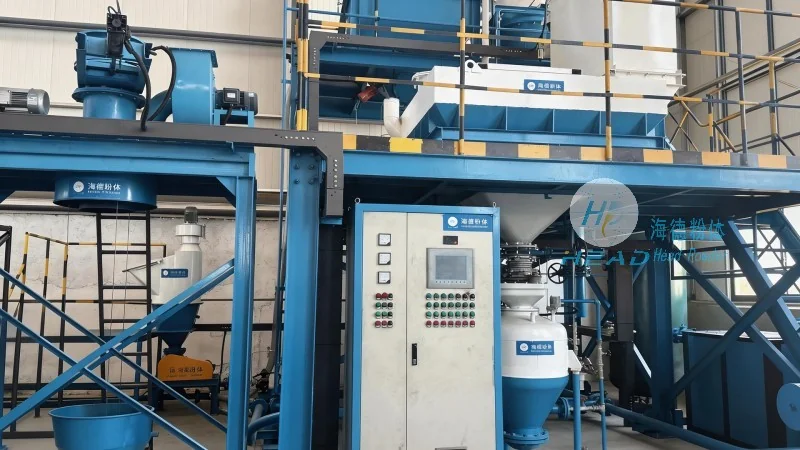
Compound fertilizer pneumatic conveying systems play a vital role in various sectors, including agriculture, manufacturing, and logistics. Their primary applications include material handling in fertilizer production plants, transportation of fertilizer from storage facilities to farms, and distribution of fertilizer to retail outlets. In fertilizer production plants, these systems are essential for transporting raw materials, such as urea, ammonium nitrate, and phosphate, from storage silos to the manufacturing process. They also facilitate the movement of finished products from the production line to storage silos or loading facilities, ensuring smooth and efficient production flow. The efficiency of these systems directly impacts the overall productivity and quality of the fertilizer produced.
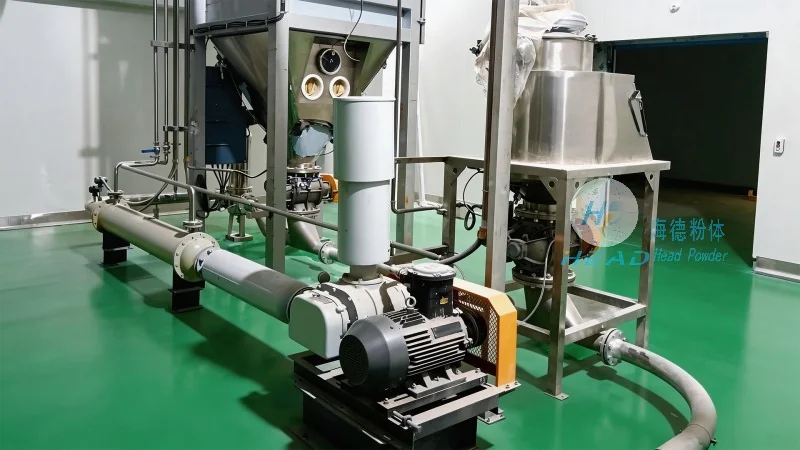
In agricultural settings, pneumatic conveying systems are widely used to transport fertilizer from storage facilities to farms. The systems are particularly effective for long-distance transport, where the fertilizer needs to be delivered to farms over several kilometers. Vacuum conveying systems are often preferred for this application due to their ability to transport material over longer distances without clogging or degradation. These systems are also utilized in distributing fertilizer to retail outlets, where the fertilizer is sold to farmers and other agricultural users, ensuring timely and reliable delivery.
In manufacturing and logistics, compound fertilizer pneumatic conveying systems are applied to transport bulk materials, such as grains, powders, and other industrial products. They are used across various industries, including food processing, pharmaceuticals, and chemicals. The systems enhance operational efficiency by enabling the seamless handling of bulk materials, reducing labor costs, and minimizing material loss. The reliability and durability of these systems are critical in maintaining consistent product quality and meeting production demands.