

Working Principle and Classification Application of Lithium Iron Phosphate Pneumatic Conveying
HeadPowder, a leading provider in the field of material handling solutions, specializes in the design, manufacturing, and implementation of advanced pneumatic conveying systems. This article provides an in-depth exploration of the working principles and various classification applications of lithium iron phosphate (LiFePO₄) pneumatic conveying systems, highlighting the technical aspects and practical implementations that define this technology.
Introduction to Lithium Iron Phosphate Pneumatic Conveying
Lithium iron phosphate (LiFePO₄) is a widely used lithium-ion battery cathode material, known for its high safety, long cycle life, and stable performance. In industrial applications, the efficient and safe transport of LiFePO₄ powders is crucial for manufacturing processes, such as battery production, material processing, and chemical synthesis. Pneumatic conveying systems offer a non-contact, low-cost, and flexible method for transporting these powders, making them an ideal solution for handling LiFePO₄ materials.
Working Principle of Pneumatic Conveying Systems
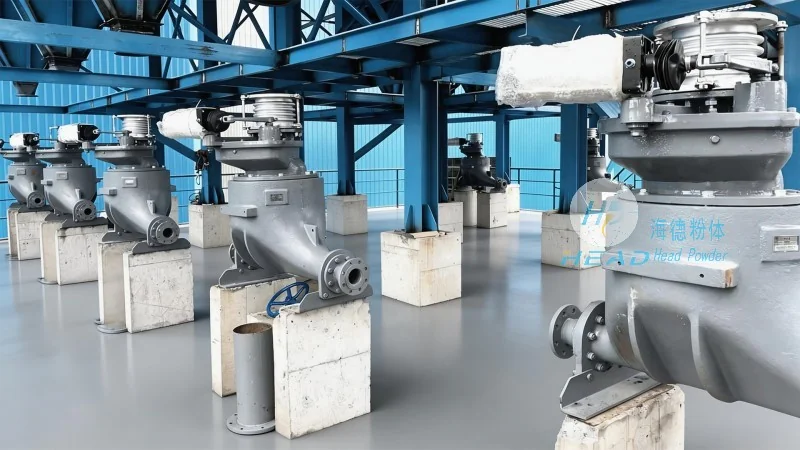
The fundamental principle of pneumatic conveying involves the use of a gas (usually air) to transport solid particles through a pipeline. In the case of LiFePO₄ pneumatic conveying, the system typically operates under pressure or vacuum conditions. The process begins with the material being fed into a hopper or feeder, where it is then introduced into the conveying line. A fan or blower generates the necessary airflow, which carries the LiFePO₄ particles through the pipeline to the discharge point. The key components of a typical pneumatic conveying system include the feeding device, the conveying line, the air source (fan/blower), and the control system. The system's performance is influenced by factors such as the particle size, density, and moisture content of the LiFePO₄ powder, as well as the pressure and flow rate of the air.
Classification of Pneumatic Conveying Systems
Pneumatic conveying systems for LiFePO₄ materials can be classified based on several criteria, including the conveying method, pressure level, and application requirements. The primary classifications include:
1. Dilute Phase Pneumatic Conveying
Dilute phase systems operate at relatively low pressure (typically 0.5 to 2 bar) and high air-to-solid ratios. In this method, the LiFePO₄ particles are suspended in the air stream and travel through the pipeline. This type of system is suitable for long-distance transport and is commonly used in applications where the material is relatively fine and free-flowing. The advantages of dilute phase conveying include low energy consumption and the ability to handle large volumes of material.
2. Dense Phase Pneumatic Conveying
Dense phase systems operate at higher pressure (typically 2 to 10 bar) and lower air-to-solid ratios. The material is conveyed in a slug or plug flow, where the particles are more closely packed and move in a more controlled manner. This method is ideal for transporting sensitive or abrasive materials, such as LiFePO₄ powders, as it reduces particle degradation and equipment wear. Dense phase conveying is often used in applications where the material needs to be delivered gently and with minimal segregation.
3. Vacuum Pneumatic Conveying
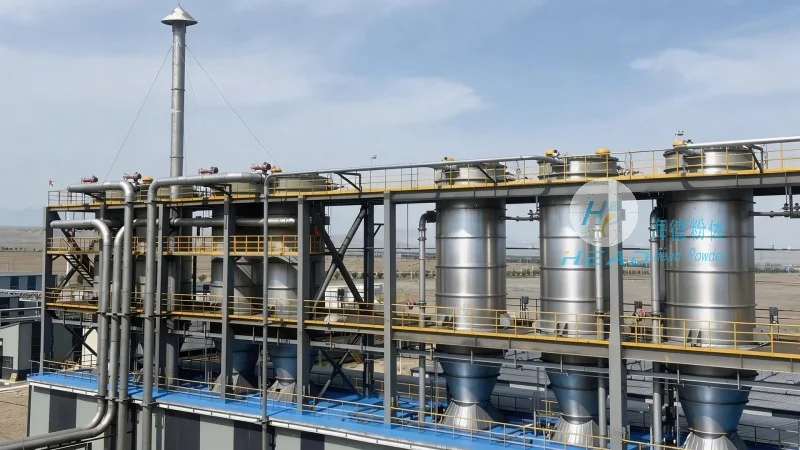
Vacuum systems use a vacuum pump to create a negative pressure in the conveying line, drawing the LiFePO₄ particles from the source to the destination. This method is particularly useful for applications where the material is to be transported from a lower elevation or where the material is sensitive to pressure changes. Vacuum conveying is also suitable for handling materials that are prone to dust or require a closed system to prevent contamination.
Application Examples of LiFePO₄ Pneumatic Conveying
The versatility of LiFePO₄ pneumatic conveying systems makes them applicable across various industries. Some key application examples include:
1. Battery Manufacturing
In the battery manufacturing industry, LiFePO₄ powders are used as cathode materials for lithium-ion batteries. Pneumatic conveying systems are used to transport these powders from storage silos to mixing and coating lines. The systems ensure a consistent and controlled flow of material, which is critical for maintaining the quality and performance of the final battery products. The non-contact nature of pneumatic conveying also helps prevent contamination from the material, ensuring the purity of the LiFePO₄ powder.
2. Chemical Processing
LiFePO₄ is also used in various chemical processes, such as the production of lithium salts and other chemical compounds. Pneumatic conveying systems are employed to transport the powder from raw material storage to reaction vessels or processing equipment. The systems provide a reliable and efficient method for handling the material, reducing the risk of material loss or contamination during transport.
3. Pharmaceutical and Food Processing
Due to the high purity requirements of LiFePO₄ in pharmaceutical and food applications, pneumatic conveying systems are used to transport the material in a closed and sterile environment. The systems ensure that the material remains free from contaminants and maintains its quality throughout the transport process. This is particularly important in applications where the material is used in direct contact with end products.
Advantages of Using Pneumatic Conveying for LiFePO₄
Implementing pneumatic conveying systems for LiFePO₄ materials offers several advantages over traditional methods, such as bucket elevators or belt conveyors. These advantages include:
1. Non-Contact Transport
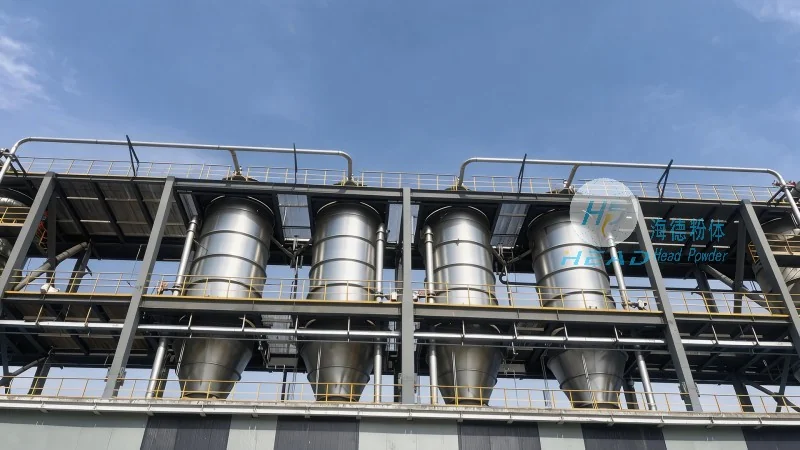
Pneumatic conveying systems transport the material without physical contact, which reduces the risk of particle degradation, contamination, and equipment wear. This is particularly beneficial for LiFePO₄ powders, which are sensitive to mechanical stress and moisture.
2. Flexibility and Scalability
Pneumatic conveying systems can be easily adapted to different process requirements, including changes in material flow rates, pipeline lengths, and discharge points. The systems can be scaled up or down to accommodate varying production volumes, making them suitable for both small-scale and large-scale operations.
3. Energy Efficiency
Modern pneumatic conveying systems are designed to be energy-efficient, with optimized airflow and pressure control. This reduces operational costs and minimizes the environmental impact of the system. The use of high-efficiency fans and blowers further enhances the energy performance of the system.
4. Reduced Maintenance
By eliminating moving parts in the conveying line, pneumatic systems reduce the need for regular maintenance and replacement of components. This leads to lower maintenance costs and increased system reliability over time.
Conclusion
HeadPowder Engineering Co., Ltd., based in Shandong, China, specializes in the design and implementation of advanced pneumatic conveying systems for lithium iron phosphate materials. The company's expertise in material handling solutions ensures that clients receive customized systems that meet their specific process requirements. By leveraging the principles of dilute, dense, and vacuum pneumatic conveying, HeadPowder provides efficient, reliable, and cost-effective solutions for transporting LiFePO₄ powders in various industrial applications. The company's commitment to quality and innovation positions it as a leading provider in the field, helping clients optimize their production processes and enhance overall operational efficiency.