

[LITHIUM HYDROXIDE PNEUMATIC CONVEYING: WORKING PRINCIPLES AND CLASSIFICATION APPLICATIONS]
HeadPowder, a leading enterprise in the field of powder handling technology, specializes in the design, manufacturing, and application of pneumatic conveying systems for lithium hydroxide. This article provides an in-depth exploration of the working principles and various classification applications of lithium hydroxide pneumatic conveying systems, offering insights into their operational mechanisms and practical implementations.

Understanding Lithium Hydroxide Pneumatic Conveying: Core Working Principles
Lithium hydroxide (LiOH) is a critical chemical compound widely used in battery manufacturing, industrial cleaning, and other applications. Pneumatic conveying is a method that utilizes air or other gases to transport solid materials like lithium hydroxide through a pipeline system. The fundamental working principle involves creating a pressure differential to move the material. There are two primary types of pneumatic conveying systems: pressure and vacuum. In pressure systems, compressed air is introduced at the material inlet, generating a positive pressure that pushes the material forward. Vacuum systems, on the other hand, create a negative pressure at the discharge end, pulling the material through the pipeline. The choice between these systems depends on factors such as material properties, distance, and system complexity. For lithium hydroxide, which is often handled in fine powder form, pressure systems are commonly preferred due to their ability to handle high material loads and maintain consistent flow rates. The process typically involves feeding the lithium hydroxide powder into a hopper, where it is then mixed with air under controlled conditions. The mixture is then transported through the pipeline to the destination point, such as a storage silo or processing unit. Key components in a pneumatic conveying system include the hopper, air compressor, pipeline network, and control valves. The air compressor provides the necessary pressure to drive the material, while the pipeline ensures a smooth and efficient transport path. Control valves are used to regulate the flow of both material and air, preventing blockages and ensuring stable operation. The efficiency of the system is influenced by factors like air velocity, material density, and pipeline diameter. Proper design and maintenance of these components are essential to achieve optimal performance and minimize operational issues.
Classification of Lithium Hydroxide Pneumatic Conveying Systems
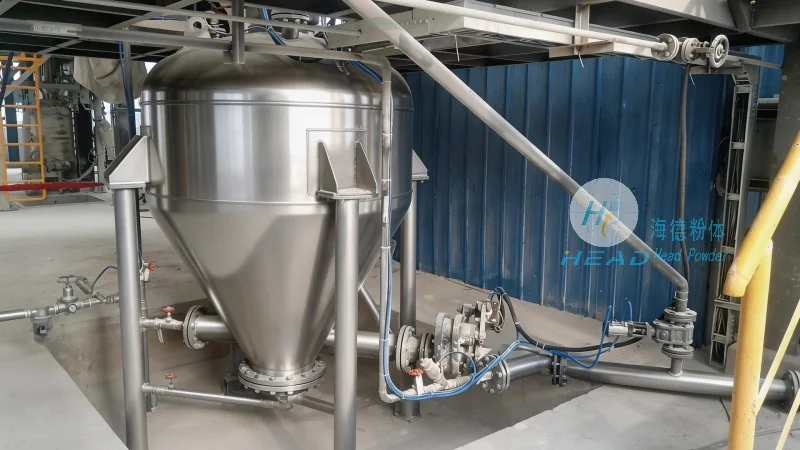
Pneumatic conveying systems for lithium hydroxide can be classified based on several criteria, including the method of air introduction, material handling capacity, and operational environment. The most common classifications are pressure systems, vacuum systems, and combined systems. Pressure systems, as mentioned earlier, are the most widely used for lithium hydroxide due to their ability to handle high material volumes and maintain consistent flow. These systems typically operate at pressures ranging from 0.5 to 2 bar, depending on the application requirements. The material is fed into the system using a rotary valve or a star feeder, which ensures a controlled and continuous flow. The air is introduced at the inlet of the hopper, creating a positive pressure that propels the material through the pipeline. Pressure systems are suitable for short to medium distances, typically up to several hundred meters. Vacuum systems, on the other hand, are used for longer distances or when the material needs to be transported from a lower elevation to a higher one. These systems operate by creating a negative pressure at the discharge end, pulling the material through the pipeline. Vacuum systems are often used in applications where the material is sensitive to pressure changes or where the source and destination points are at different heights. Combined systems, also known as two-stage systems, combine both pressure and vacuum elements. The first stage uses a pressure system to transport the material from the source to an intermediate point, while the second stage uses a vacuum system to complete the transport to the final destination. This approach allows for the efficient handling of materials over longer distances or in complex layouts. Another classification is based on the type of air flow, such as dilute phase and dense phase systems. Dilute phase systems use low air-to-material ratios, typically 5 to 10 times the material volume, and are suitable for fine powders like lithium hydroxide. These systems operate at high air velocities, ensuring that the material is suspended in the air stream. Dense phase systems, in contrast, use higher air-to-material ratios, typically 1 to 2 times the material volume, and operate at lower air velocities. This results in a more stable and controlled flow, reducing the risk of material degradation or blockages. The choice between dilute and dense phase systems depends on the specific characteristics of the lithium hydroxide, such as its particle size, moisture content, and flowability. For lithium hydroxide, which is often a fine powder with good flow properties, dilute phase systems are generally preferred due to their higher efficiency and lower energy consumption. However, in cases where the material is prone to agglomeration or requires more stable transport, dense phase systems may be used. The classification of pneumatic conveying systems also considers the material's physical properties, such as its density, abrasiveness, and moisture content. Lithium hydroxide is a relatively light and non-abrasive material, which makes it suitable for most pneumatic conveying systems. However, if the material contains moisture or is prone to caking, additional measures may be required to prevent blockages and ensure smooth operation. For example, the use of heating elements or anti-caking agents may be necessary to maintain the material's flowability. The operational environment also plays a role in the classification of the system. For outdoor applications or those involving harsh conditions, the system may need to be designed with corrosion-resistant materials and weatherproof components to ensure long-term reliability. In industrial settings, where space is limited, compact and modular systems may be preferred. These systems are designed to fit into existing facilities and can be easily integrated with other equipment. The classification of lithium hydroxide pneumatic conveying systems is crucial for selecting the appropriate system for a specific application. By understanding the different types and their characteristics, engineers can design and implement systems that are efficient, reliable, and cost-effective. The choice of system depends on factors such as the distance to be covered, the material flow rate, the elevation change, and the material's physical properties. Proper classification ensures that the system can handle the material effectively while minimizing energy consumption and operational costs.
Applications of Lithium Hydroxide Pneumatic Conveying Systems
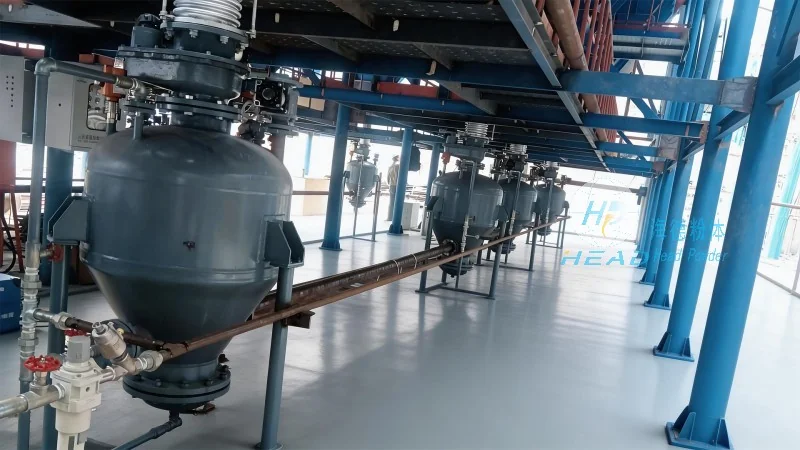
Lithium hydroxide pneumatic conveying systems find wide applications in various industries, primarily due to the compound's importance in battery manufacturing and other chemical processes. One of the most significant applications is in the production of lithium-ion batteries, where lithium hydroxide is used as a precursor for lithium carbonate and lithium hydroxide itself. The pneumatic conveying system is used to transport the lithium hydroxide from storage silos to the battery cell manufacturing lines. This ensures a continuous and efficient supply of the material, which is critical for maintaining production rates. The system is designed to handle large volumes of fine powder, ensuring that the material is delivered in a consistent and controlled manner. Another application is in industrial cleaning and decontamination processes. Lithium hydroxide is used as a cleaning agent in various industries, including pharmaceuticals and food processing. The pneumatic conveying system is used to transport the powder to the cleaning equipment, where it is mixed with water or other solvents to create a cleaning solution. The system ensures that the powder is delivered to the equipment in a uniform manner, preventing clumping and ensuring effective cleaning. In the chemical industry, lithium hydroxide is used in the production of other lithium compounds, such as lithium chloride and lithium nitrate. The pneumatic conveying system is used to transport the material from the production line to storage tanks or to other processing units. This ensures that the material is handled efficiently and safely, minimizing the risk of spills or contamination. The use of pneumatic conveying systems in these applications provides several benefits, including improved safety, reduced labor costs, and increased production efficiency. The systems are designed to handle hazardous materials like lithium hydroxide safely, with features such as explosion-proof components and dust collection systems. These features help to minimize the risk of accidents and ensure compliance with safety regulations. The efficiency of the pneumatic conveying system is also a key advantage. By using air to transport the material, the system reduces the need for manual handling and reduces the risk of material damage. This leads to lower operational costs and higher productivity. The classification of the system is also important for optimizing performance. For example, in battery manufacturing, a pressure system is preferred due to the high material flow rates required. In cleaning applications, a vacuum system may be used to handle smaller volumes of material. The choice of system depends on the specific requirements of the application, ensuring that the system is tailored to the needs of the process. The use of lithium hydroxide pneumatic conveying systems has become increasingly important as the demand for lithium-based products grows. The systems are designed to handle the increasing volumes of lithium hydroxide required by the battery industry, ensuring that the supply chain remains efficient and reliable. The technology has also advanced to meet the evolving needs of the industry, with features such as automated control systems and real-time monitoring. These features help to improve the performance and reliability of the system, further enhancing its effectiveness. In conclusion, lithium hydroxide pneumatic conveying systems are essential components in the handling and transportation of lithium hydroxide. The systems are designed to operate efficiently and safely, with various classifications and applications tailored to the specific needs of different industries. By understanding the working principles and classification of these systems, engineers can design and implement systems that are optimized for performance and cost-effectiveness. The continued development of pneumatic conveying technology will further enhance the efficiency and reliability of lithium hydroxide handling, supporting the growth of the lithium-based industry.