

Working Principle and Classification Applications of Furfural Slag Pneumatic Conveying
HeadPowder, a leading engineering company based in Shandong, China, specializes in advanced material handling solutions, including the pneumatic conveying of furfural slag. This article provides an in-depth exploration of the working principles and various classification applications of furfural slag pneumatic conveying systems, highlighting the technical aspects and practical implementations used by HeadPowder Engineering Co., Ltd.
Introduction to Furfural Slag Pneumatic Conveying
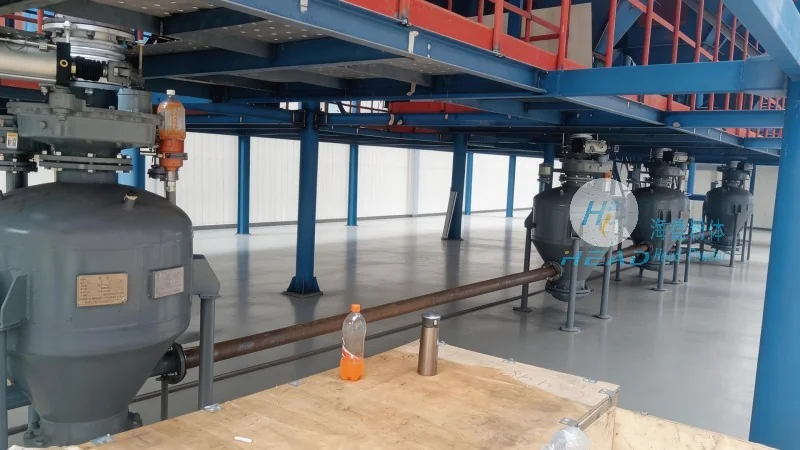
Furfural slag, a byproduct from the furfural production process, often requires efficient and reliable material transport methods for industrial applications. Pneumatic conveying offers a versatile solution for handling such materials, leveraging the principles of fluid dynamics to move solid particles through a pipeline using air or other gases. This method is particularly advantageous for furfural slag due to its ability to handle abrasive or fine particles while minimizing equipment wear and ensuring a clean, dust-free transfer process.
Working Principle of Pneumatic Conveying Systems
The core working principle of pneumatic conveying systems involves the creation of a solid-gas mixture within a pipeline. In the case of furfural slag, the system typically operates by either positive pressure (pressure conveying) or negative pressure (vacuum conveying), depending on the specific application requirements. Positive pressure systems use a blower or compressor to force air through the pipeline, carrying the slag particles forward. Conversely, negative pressure systems utilize a vacuum pump to draw the material into the pipeline, creating a suction effect that pulls the slag from the source to the destination. The choice between these two methods depends on factors such as the distance of transport, the particle size and density of the slag, and the overall system design considerations.
Classification of Pneumatic Conveying Systems for Furfural Slag
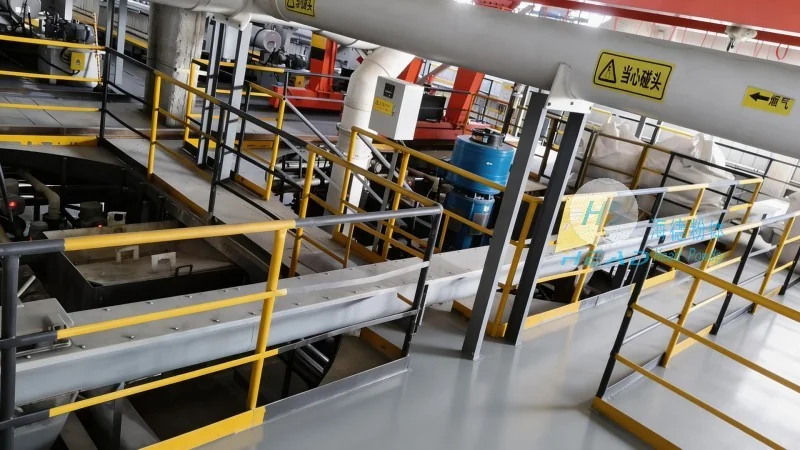
Pneumatic conveying systems for furfural slag can be classified into several categories based on their operational characteristics and application scenarios. The primary classifications include:
1. Dilute Phase Conveying
Dilute phase systems are commonly used for long-distance or high-capacity transport of furfural slag. In this method, the solid particles are suspended in the air stream at a relatively low concentration, allowing for efficient movement through the pipeline. The system typically operates at higher velocities and lower pressure differentials compared to dense phase systems, making it suitable for applications where the material needs to be transported over significant distances without excessive energy consumption.
2. Dense Phase Conveying
Dense phase systems are preferred for short-distance or high-pressure applications, where the material is conveyed in a more concentrated form. This method involves a lower air velocity and higher pressure, which helps to reduce particle degradation and minimize system wear. Dense phase conveying is particularly effective for handling abrasive or sensitive furfural slag particles, as it provides a gentler transport environment that preserves the material's integrity.
3. Pressure Conveying (Positive Pressure)
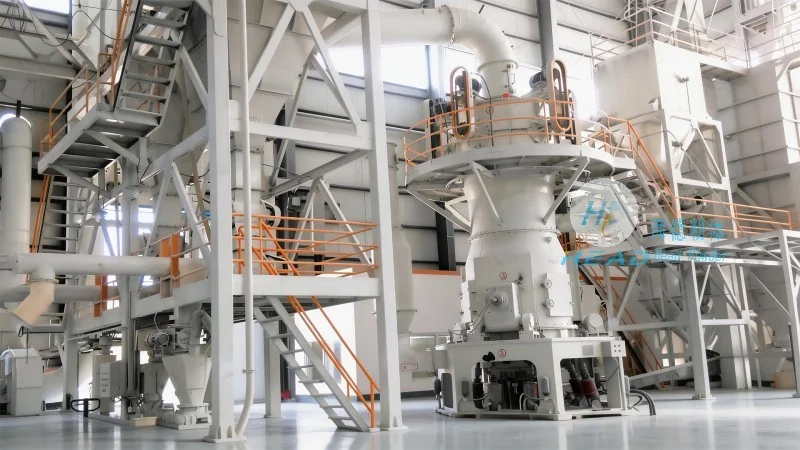
Pressure conveying systems use a positive pressure source, such as a blower or compressor, to force air and slag particles through the pipeline. This approach is ideal for applications where the material needs to be transported from a central source to multiple destinations or over longer distances. The system operates by maintaining a positive pressure throughout the pipeline, ensuring consistent material flow and preventing backflow or clogging issues.
4. Vacuum Conveying (Negative Pressure)
Vacuum conveying systems utilize a vacuum pump to create a negative pressure within the pipeline, drawing the furfural slag from the source to the destination. This method is commonly used for short-distance transport or when the material needs to be collected from multiple points and consolidated into a single destination. The vacuum system is particularly effective for handling fine or powdery slag particles, as it can maintain a consistent suction force to ensure reliable material transfer.
Application Scenarios and Practical Implementations
HeadPowder Engineering Co., Ltd. has successfully applied pneumatic conveying systems for furfural slag in various industrial settings. For instance, in a furfural production facility, the company designed a dilute phase pressure conveying system to transport slag from the reactor to a storage silo over a distance of 200 meters. The system utilized a high-efficiency blower to maintain a consistent air flow rate, ensuring the smooth movement of fine slag particles without clogging. In another application, a dense phase vacuum conveying system was implemented to handle abrasive furfural slag from a grinding process, where the system's lower velocity and higher pressure helped to reduce equipment wear and maintain the material's quality.
Advantages and Considerations for Furfural Slag Pneumatic Conveying
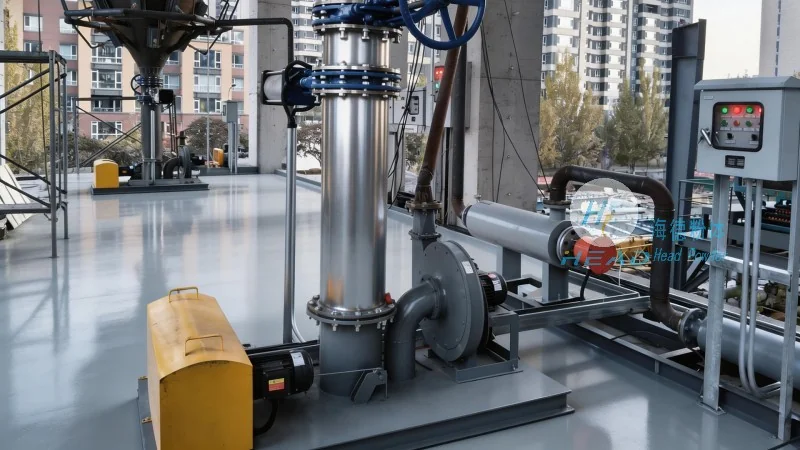
Pneumatic conveying offers several advantages for furfural slag handling, including the ability to transport materials in a closed system, reducing dust emissions and environmental impact. Additionally, the system can be integrated with other processing equipment, such as filters or cyclones, to enhance material separation and purification. However, there are also considerations to keep in mind, such as the need for regular maintenance of the air handling equipment, the potential for system clogging due to particle agglomeration, and the energy consumption associated with operating the conveying system. HeadPowder Engineering Co., Ltd. addresses these challenges through careful system design, material selection, and ongoing maintenance protocols to ensure optimal performance and longevity of the pneumatic conveying systems.
Conclusion
In conclusion, the working principles and classification applications of furfural slag pneumatic conveying systems are critical for efficient material handling in industrial settings. HeadPowder Engineering Co., Ltd., with its expertise in engineering and material handling solutions, provides tailored pneumatic conveying systems that meet the specific needs of furfural slag processing facilities. By understanding the operational principles and selecting the appropriate system classification, industries can achieve reliable, cost-effective, and environmentally friendly transport of furfural slag, enhancing overall production efficiency and sustainability.