

Working Principle and Classification Applications of Pneumatic Conveying for Metal Particles
HeadPowder, a leading engineering company based in Shandong, China, specializes in the design and implementation of pneumatic conveying systems for metal particles. This article provides an in-depth exploration of the fundamental working principles behind these systems and outlines the various classification applications that are commonly employed in industrial settings.
Understanding the Working Principle of Pneumatic Conveying for Metal Particles
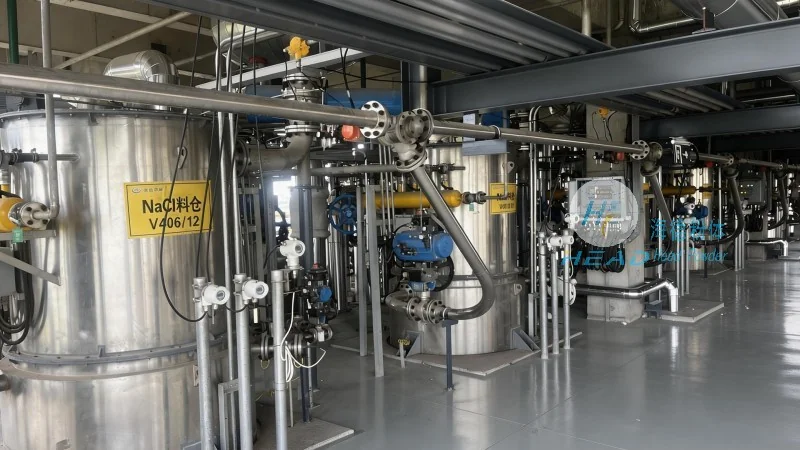
Pneumatic conveying systems utilize air or gas as the primary medium to transport solid particles, such as metal powders or granules, through a pipeline network. The core mechanism involves the creation of a pressure differential between the inlet and outlet of the conveying line. This differential is typically achieved by either generating a vacuum at the receiving end or by supplying compressed air at the discharge end. The metal particles are then entrained by the moving air stream and transported through the system. The efficiency of this process depends on several key factors, including the particle size, density, and flow characteristics, as well as the air velocity and pressure within the pipeline.
There are two main categories of pneumatic conveying systems: dilute-phase and dense-phase. Dilute-phase systems operate at relatively low pressure and high air velocity, allowing particles to be suspended in the air stream. This method is suitable for transporting fine metal powders over short to medium distances. Dense-phase systems, on the other hand, use higher pressure and lower air velocity to push particles in a more compacted form. This approach is ideal for handling larger metal particles or for applications requiring precise control over the material flow rate.
Classification Applications of Pneumatic Conveying for Metal Particles
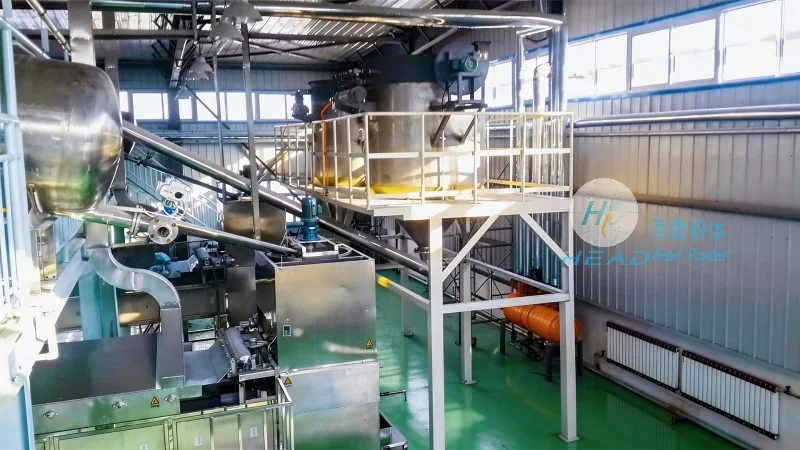
HeadPowder's pneumatic conveying solutions are widely applied across various industries that handle metal particles. One of the most common applications is in the manufacturing of metal powders for additive manufacturing (3D printing). Here, the system ensures a consistent and controlled flow of metal powders to the printer, which is critical for achieving high-quality printed parts. Another significant application is in the metal recycling industry, where pneumatic conveying is used to transport shredded metal scraps from collection points to processing facilities. This method allows for efficient and dust-free handling of recyclable materials.
In the chemical and metallurgical sectors, pneumatic conveying is employed to transport metal powders during the production of alloys and coatings. The ability to maintain a clean and controlled environment is essential in these processes, as contaminants can significantly affect the quality of the final product. HeadPowder's systems are designed to meet these stringent requirements, ensuring that metal particles are conveyed without degradation or contamination.
Key Considerations for Implementing Pneumatic Conveying Systems
When selecting a pneumatic conveying system for metal particles, several factors must be carefully evaluated. The first consideration is the particle characteristics, including size distribution, moisture content, and abrasiveness. These properties directly impact the system's design, such as the choice of pipeline material and the required air pressure. Additionally, the distance and layout of the conveying route must be considered to determine the most efficient system configuration. HeadPowder provides comprehensive engineering services to assess these factors and recommend the optimal solution for each application.
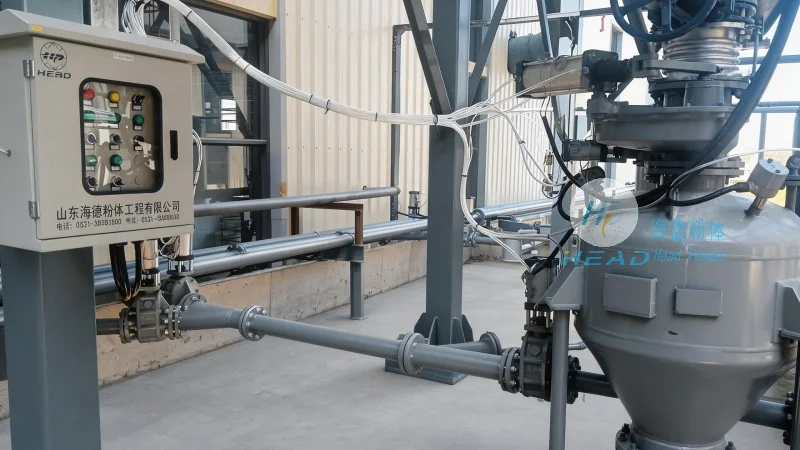
Another critical aspect is the system's maintenance and operational costs. Pneumatic conveying systems require regular maintenance to ensure longevity and performance. HeadPowder offers maintenance services and spare parts support to minimize downtime and maximize system efficiency. By partnering with HeadPowder, industries can benefit from reliable and cost-effective solutions that enhance productivity and reduce operational risks.
Conclusion
Pneumatic conveying systems represent a highly effective method for transporting metal particles in various industrial applications. The working principles, which rely on air flow and pressure differentials, enable efficient and controlled movement of these materials. Through proper classification and application, these systems can be tailored to meet the specific needs of different industries, including manufacturing, recycling, and metallurgy. HeadPowder, with its expertise and engineering capabilities, plays a vital role in providing customized pneumatic conveying solutions that enhance operational efficiency and product quality.