

Working Principle and Classification Application of Desulfurization and Denitrification Agent Pneuma
Desulfurization and denitrification agents are critical components in modern industrial processes aimed at reducing harmful emissions from power plants and other facilities. The efficient transportation of these agents is essential for maintaining optimal performance in pollution control systems. Pneumatic conveying, a method that uses air or other gas streams to move bulk materials, has become a preferred solution for handling desulfurization and denitrification agents due to its ability to handle abrasive and corrosive substances while minimizing contamination risks. This article explores the fundamental working principles of pneumatic conveying systems and categorizes their applications in the context of desulfurization and denitrification processes.
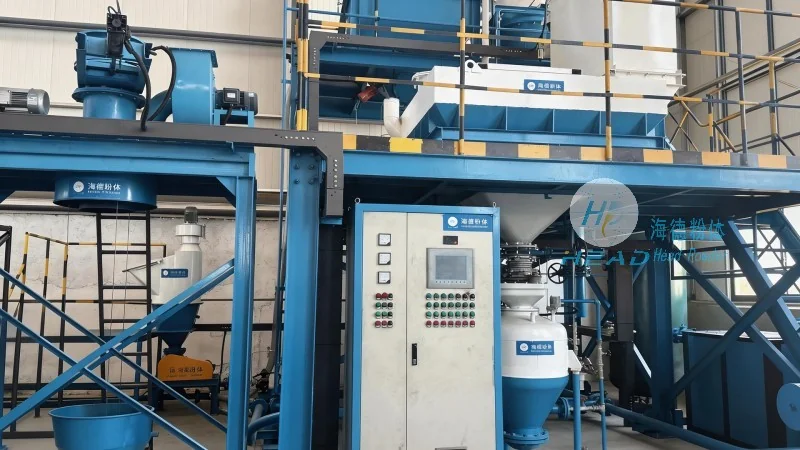
At the core of pneumatic conveying systems is the transfer of material through a pipeline using pressurized or suction air. The working principle involves creating a flow of air that carries the desulfurization or denitrification agent particles. There are two primary types of pneumatic conveying: dilute-phase and dense-phase. Dilute-phase systems operate at low material-to-air ratios, where particles are suspended in the air stream, typically used for long-distance or high-velocity transport. Dense-phase systems, on the other hand, operate at higher material concentrations, where particles are more closely packed, often used for short-distance or low-velocity transport, which can reduce wear on equipment and improve material handling efficiency.
Shandong HeadPowder Engineering Co., Ltd., a leading provider of industrial solutions, specializes in the design and implementation of pneumatic conveying systems tailored for desulfurization and denitrification applications. The company’s expertise lies in understanding the unique challenges posed by these agents, such as their chemical properties and particle size distribution, and adapting conveying systems to meet specific operational requirements. By leveraging advanced engineering and material handling technologies, HeadPowder ensures that the transportation of desulfurization and denitrification agents is both reliable and cost-effective.
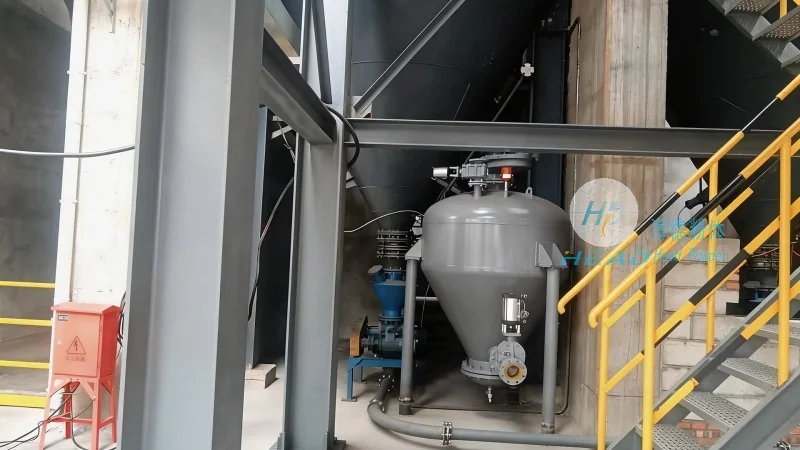
Classification of pneumatic conveying systems for desulfurization and denitrification agents is based on several key factors, including the material characteristics, system pressure, and application requirements. The most common classification is by the type of air flow: suction (or negative pressure) and pressure (or positive pressure) systems. Suction systems are used when the material needs to be drawn from a source, such as a hopper or storage silo, to a processing unit. Pressure systems, conversely, involve blowing air into the material to push it through the pipeline. Each type has its advantages and is selected based on the specific layout of the facility and the distance the material must travel.
Another critical classification is by the material's phase state: dilute-phase and dense-phase. Dilute-phase systems are suitable for materials that are free-flowing and non-abrasive, such as certain types of limestone used in wet desulfurization processes. These systems typically operate at higher air velocities, ensuring that particles remain suspended and do not settle in the pipeline. Dense-phase systems, however, are ideal for materials that are more cohesive or have a higher density, such as some dry sorbents used in dry denitrification processes. By adjusting the air flow rate and pressure, dense-phase systems can control the material's velocity and reduce the risk of blockages or equipment wear.
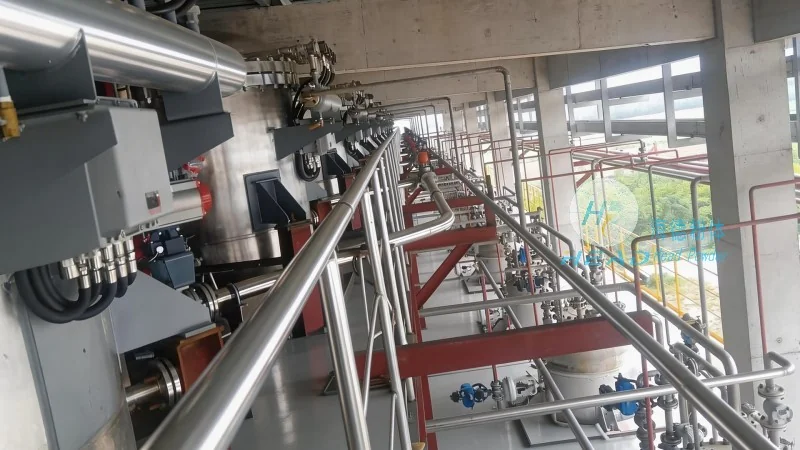
Application-specific considerations also play a significant role in the selection of pneumatic conveying systems. For instance, in wet desulfurization plants, the agent is often a slurry or fine powder that requires gentle handling to prevent caking or degradation. Pneumatic conveying systems with low air velocities and appropriate pipeline design can effectively transport these materials without compromising their quality. In contrast, dry denitrification processes may involve larger particles or more abrasive materials, necessitating dense-phase systems with higher pressure and robust equipment to ensure reliable operation. Shandong HeadPowder Engineering Co., Ltd. considers these factors in its system design, ensuring that the chosen pneumatic conveying method aligns with the specific needs of each desulfurization or denitrification application.
Operational efficiency and reliability are paramount in the use of pneumatic conveying systems for desulfurization and denitrification agents. Factors such as air pressure, flow rate, and pipeline diameter directly impact the system's performance. Proper sizing of the air compressor and control valves is essential to maintain consistent material flow and prevent pressure drops that could lead to system inefficiencies or blockages. Regular maintenance of the conveying system, including cleaning of filters and checking for wear on components, is also critical to ensure long-term operation. Shandong HeadPowder Engineering Co., Ltd. provides comprehensive support, including system monitoring and maintenance services, to help clients optimize the performance of their pneumatic conveying systems and minimize downtime.
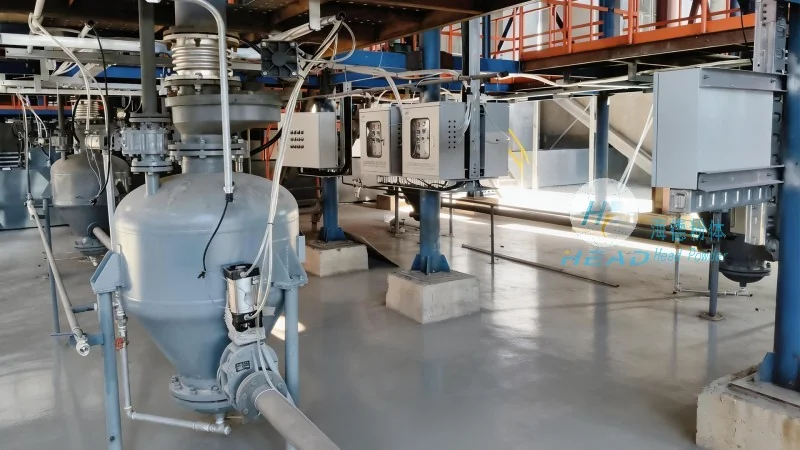
Environmental compliance is another key aspect of using desulfurization and denitrification agents, and the efficiency of the conveying system directly impacts overall emissions control. Inadequate transportation of these agents can lead to uneven distribution in the processing unit, resulting in suboptimal pollutant removal and increased emissions. By implementing effective pneumatic conveying systems, facilities can ensure that the desulfurization and denitrification agents are delivered to the processing equipment in the correct quantities and at the right time, maximizing the efficiency of the pollution control process. This not only helps in meeting regulatory standards but also contributes to the overall sustainability of industrial operations.
In conclusion, pneumatic conveying systems are a vital technology for the efficient handling of desulfurization and denitrification agents. Understanding the working principles and classifying the appropriate system based on material characteristics and application requirements is essential for optimal performance. Shandong HeadPowder Engineering Co., Ltd. offers specialized solutions tailored to the unique needs of industrial facilities, ensuring that the transportation of these critical agents is reliable, efficient, and environmentally responsible. By leveraging advanced engineering and material handling expertise, HeadPowder continues to support the reduction of harmful emissions and the advancement of sustainable industrial practices.