

How to Prevent Pipeline Blockages in Sodium Nitrate Conveying with Pneumatic Conveying Systems? What
When it comes to transporting sodium nitrate, a critical challenge for many industries is preventing pipeline blockages. This is where the expertise of Shandong HeadPowder Engineering Co., Ltd. comes into play, as they specialize in designing and implementing effective pneumatic conveying systems tailored to the unique requirements of sodium nitrate handling. In this article, we will explore the strategies and key design parameters that ensure smooth and uninterrupted operation in sodium nitrate conveying systems.
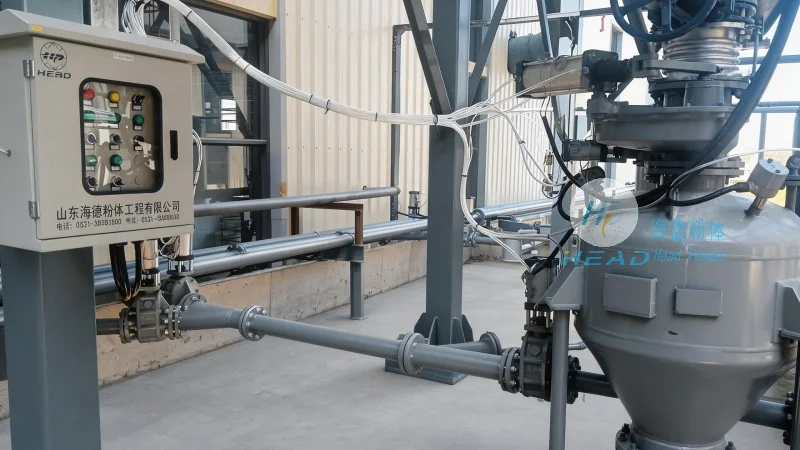
Understanding the Risks of Pipeline Blockages in Sodium Nitrate Conveying
Sodium nitrate, a white crystalline solid commonly used in fertilizers, explosives, and food preservation, presents specific challenges during pneumatic conveying. Its hygroscopic nature and tendency to agglomerate can lead to blockages if not properly managed. Blockages not only halt production but also increase maintenance costs and pose safety risks. Therefore, understanding the root causes of these blockages is the first step toward effective prevention.
Key Design Parameters for Preventing Blockages in Pneumatic Conveying Systems
Several critical design parameters must be carefully considered when designing a pneumatic conveying system for sodium nitrate. These parameters directly impact the system's ability to maintain flow and prevent blockages:
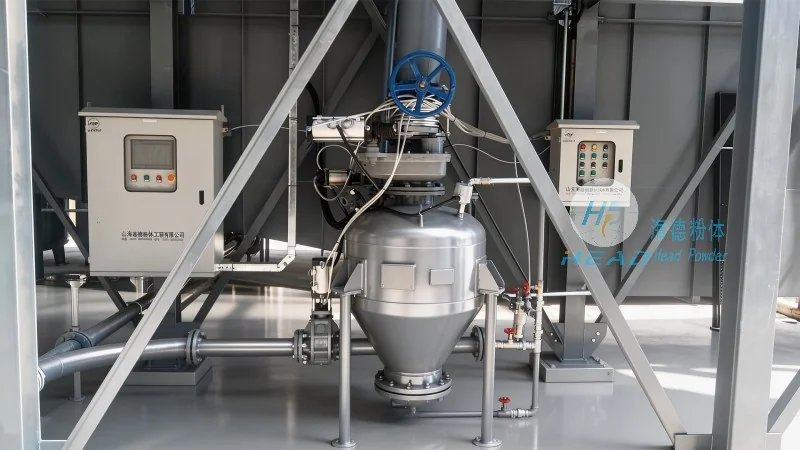
1. Air Velocity and Flow Rate
The air velocity within the pipeline is a fundamental factor in preventing blockages. Insufficient air velocity can cause the material to settle and form a plug, while excessive velocity may lead to excessive wear on equipment and energy inefficiency. For sodium nitrate, optimal air velocity typically ranges between 20 to 30 meters per second, depending on the particle size and density. The flow rate must be adjusted to ensure that the material is fully entrained and transported without settling.
2. Pipeline Diameter and Length
The diameter of the conveying pipeline is another critical parameter. Smaller diameters increase the risk of blockages due to higher pressure drops and reduced material flow capacity. Larger diameters, while reducing blockage risk, increase capital costs and energy consumption. For sodium nitrate, a pipeline diameter of 100 to 150 millimeters is commonly recommended for bulk conveying. The length of the pipeline also affects the system's performance; longer pipelines require higher air pressure and velocity to maintain material transport.
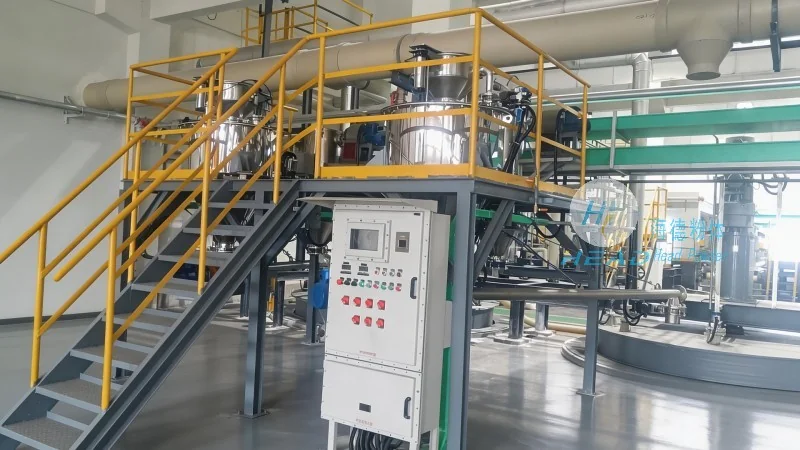
3. Pressure and Vacuum Systems
The type of pneumatic conveying system—positive pressure, negative pressure, or a combination—significantly impacts blockage prevention. Positive pressure systems are generally preferred for sodium nitrate as they provide better control over material flow and reduce the risk of dust emissions. The pressure levels must be carefully calibrated to ensure that the material is consistently conveyed without clogging. For example, a positive pressure system operating at 0.5 to 1.0 bar above atmospheric pressure is often effective for sodium nitrate.
4. Material Characteristics and Conditioning
Understanding the physical properties of sodium nitrate is essential for system design. The material's particle size distribution, bulk density, and moisture content all influence conveying behavior. To mitigate blockages, conditioning the material before conveying is often necessary. This may include drying the material to reduce moisture content or adding anti-caking agents to prevent agglomeration. Shandong HeadPowder Engineering Co., Ltd. often recommends pre-drying or pre-treatment steps to improve material flowability.
5. System Layout and Bends
The layout of the conveying system, including the number and angle of bends, plays a crucial role in preventing blockages. Sharp bends can cause material to settle and form deposits, leading to blockages. Using gradual bends with larger radii and proper alignment can minimize this risk. Additionally, incorporating expansion joints or flexible connectors can help accommodate thermal expansion and reduce stress on the pipeline, further preventing blockages.
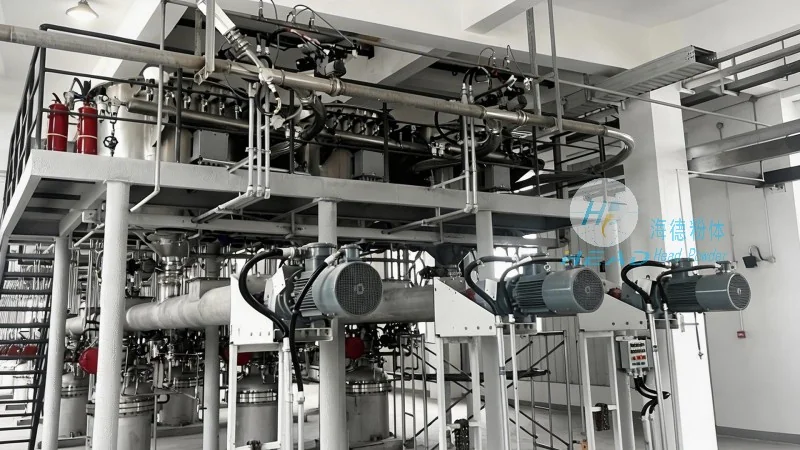
Role of Shandong HeadPowder Engineering Co., Ltd. in Designing Effective Systems
Shandong HeadPowder Engineering Co., Ltd. leverages decades of experience in pneumatic conveying technology to design systems that address the specific challenges of sodium nitrate. Their engineers conduct thorough material analysis and system simulations to determine the optimal design parameters. By integrating advanced control systems and monitoring tools, they ensure that the conveying process remains stable and efficient, minimizing the risk of blockages. The company's commitment to quality and customer satisfaction is reflected in their tailored solutions that meet the unique needs of each client.
Conclusion: Ensuring Smooth and Reliable Sodium Nitrate Conveying
Preventing pipeline blockages in sodium nitrate conveying requires a comprehensive approach that considers multiple design parameters. By optimizing air velocity, pipeline dimensions, pressure systems, material conditioning, and system layout, operators can achieve reliable and efficient transport. Shandong HeadPowder Engineering Co., Ltd. stands as a trusted partner in this process, providing expert design and implementation services to ensure that sodium nitrate is conveyed safely and effectively. With their specialized knowledge and commitment to quality, they help industries maintain uninterrupted production and minimize operational risks associated with blockages.