

Preventing Pipeline Blockages in Pneumatic Conveying Systems for Chromic Oxide: Key Design Parameter
When handling chromic oxide, a highly abrasive and dense material, the selection of an appropriate pneumatic conveying system is critical to ensure efficient and reliable material transport. Blockages in the pipeline can lead to production downtime, increased maintenance costs, and potential safety hazards. This article explores effective strategies to prevent pipeline blockages in pneumatic conveying systems specifically designed for chromic oxide, alongside key design parameters that contribute to system performance and longevity.
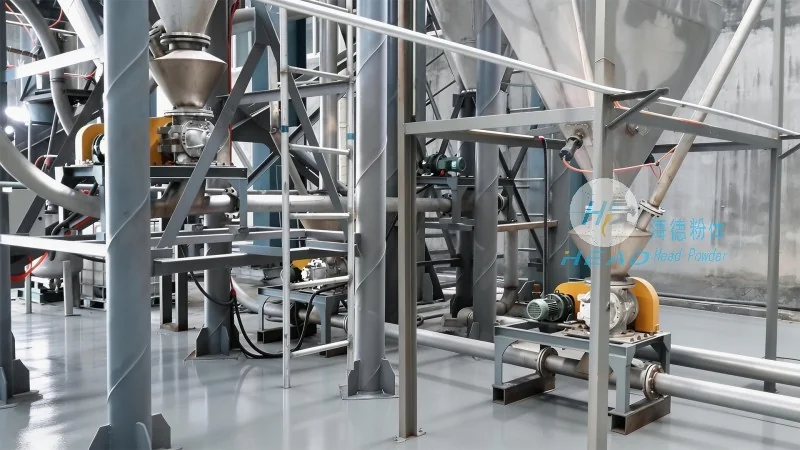
Understanding the Challenges of Chromic Oxide in Pneumatic Conveying
Chromic oxide, with its high density and abrasive properties, poses unique challenges during pneumatic transport. The material's tendency to agglomerate or form lumps can easily cause blockages if the conveying system is not properly designed. Additionally, the corrosive nature of chromic oxide may affect the choice of materials for the pipeline and components, requiring robust construction to withstand wear and chemical exposure. Recognizing these challenges is the first step toward implementing effective solutions to prevent blockages.
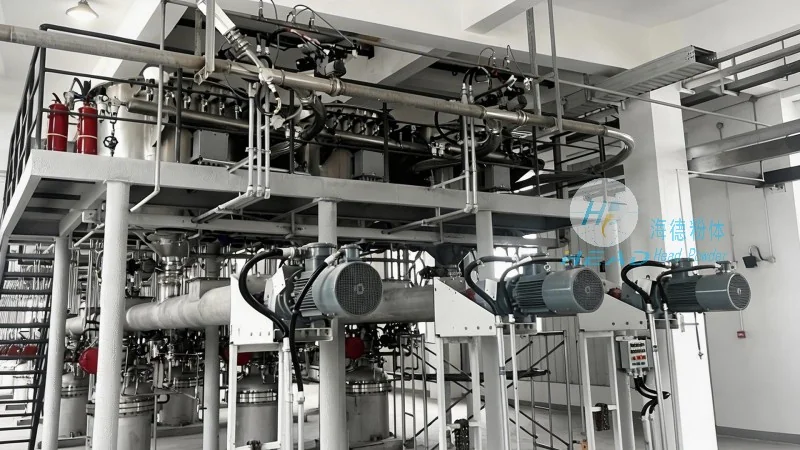
Key Design Parameters for Preventing Blockages in Pneumatic Conveying Systems
Several critical design parameters must be considered when designing a pneumatic conveying system for chromic oxide to minimize the risk of blockages. These parameters include:

- Material Selection for Pipeline and Components: The pipeline and associated components must be constructed from materials that can withstand the abrasive and corrosive nature of chromic oxide. High-quality stainless steel or specialized alloys are often used to ensure durability and prevent material degradation over time.
- Conveying Velocity and Airflow Rate: Maintaining an optimal conveying velocity is essential to prevent material settling and blockages. The airflow rate must be sufficient to keep the material in suspension while avoiding excessive pressure drops that could lead to clogging. Proper sizing of the air ducts and conveying lines is crucial to achieve the right balance between velocity and energy efficiency.
- System Configuration (Positive vs. Negative Pressure): The choice between positive pressure (blowing air into the system) and negative pressure (sucking material into the system) can impact blockage risk. Positive pressure systems are generally more effective for handling abrasive materials like chromic oxide, as they provide consistent pressure to keep the material moving and reduce the likelihood of stagnation.
- Inlet and Outlet Design: The design of the material inlet and outlet is critical to prevent blockages at these points. Properly sized and shaped inlets help to avoid material buildup and ensure smooth material flow into the conveying line. Similarly, well-designed outlets minimize the risk of material accumulation and blockage at the discharge point.
- Filter and Separator Systems: Efficient filtration and separation of the conveying air from the material are essential to maintain system performance and prevent blockages caused by accumulated material or debris. Regular maintenance of these systems is necessary to ensure they operate effectively and do not become clogged themselves.
Role of HeadPowder Engineering in Designing Effective Pneumatic Conveying Solutions
Shandong HeadPowder Engineering Co., Ltd., a leading provider of pneumatic conveying solutions, specializes in designing systems tailored to the unique requirements of materials like chromic oxide. With years of experience in the industry, HeadPowder engineers leverage advanced design principles and material science knowledge to develop systems that minimize blockage risks and ensure reliable operation. The company's expertise in selecting appropriate materials, optimizing airflow rates, and configuring system components ensures that clients receive customized solutions that meet their specific operational needs.
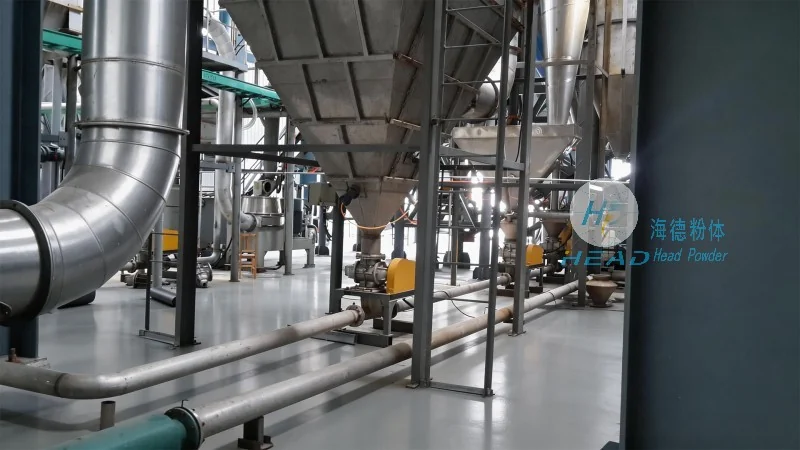
Conclusion: Ensuring Efficient and Reliable Chromic Oxide Transport
Preventing pipeline blockages in pneumatic conveying systems for chromic oxide requires a comprehensive approach that considers material properties, system design, and operational parameters. By focusing on key design parameters such as material selection, conveying velocity, system configuration, and filtration, operators can significantly reduce the risk of blockages and improve overall system efficiency. Companies like Shandong HeadPowder Engineering Co., Ltd. play a vital role in providing expert guidance and customized solutions to address these challenges, ensuring that chromic oxide is transported safely and efficiently. With proper design and maintenance, pneumatic conveying systems can effectively handle chromic oxide while minimizing downtime and operational costs.