

How to Prevent Pipeline Blockages in Pneumatic Conveying Systems for Seasoning Powder? Key Design Pa
For food processing industries, especially those dealing with fine powders like seasoning powders, the efficiency and reliability of material handling systems are paramount. Pneumatic conveying systems have emerged as a preferred solution due to their ability to transport powders over long distances without the need for mechanical components. However, a common challenge in such systems is the risk of pipeline blockages, which can halt production and lead to costly downtime. Understanding how to prevent these blockages and the critical design parameters involved is essential for optimizing the performance of pneumatic conveying systems in seasoning powder applications.
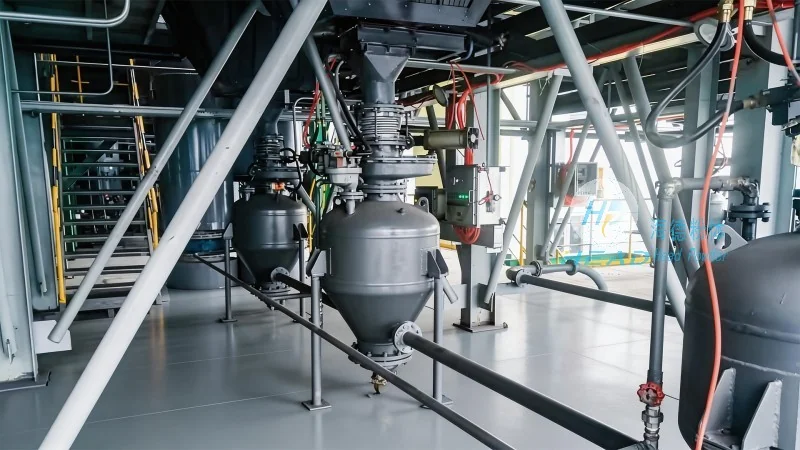
Understanding Pneumatic Conveying Systems for Seasoning Powders
Pneumatic conveying systems utilize air or gas to transport bulk materials through a pipeline. In the context of seasoning powders, which are typically fine, dry, and often hygroscopic, the design of the system must account for the unique properties of these materials. The system must ensure consistent flow, prevent agglomeration, and maintain the quality of the powder throughout the conveying process. A well-designed system from a specialized engineering company, such as Shandong HeadPowder Engineering Co., Ltd., can significantly reduce the risk of blockages and improve overall operational efficiency.
Common Causes of Pipeline Blockages in Seasoning Powder Conveying
Several factors contribute to pipeline blockages in pneumatic conveying systems for seasoning powders. One primary cause is the formation of dry powder bridges or arches within the pipeline, which can occur due to the cohesive properties of the powder. Another common issue is the accumulation of moisture or contaminants on the pipeline walls, which can lead to material buildup and eventual blockage. Additionally, improper air velocity or pressure settings can cause the powder to settle and form deposits, further exacerbating the problem. Recognizing these causes is the first step toward implementing effective prevention strategies.
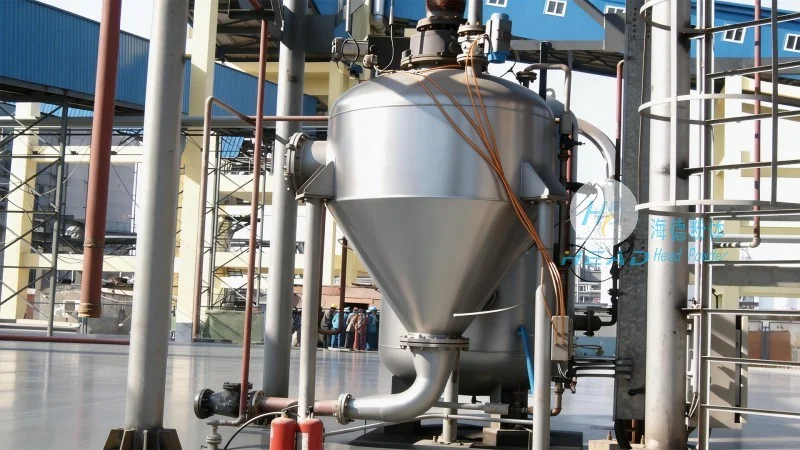
Key Design Parameters to Prevent Blockages
Several critical design parameters must be considered when designing a pneumatic conveying system for seasoning powders to minimize the risk of blockages. The first is the air velocity, which must be maintained at an optimal level to ensure the powder remains in suspension. For fine powders like seasoning powders, a higher air velocity is often required to prevent settling. The second parameter is the system pressure, which should be carefully controlled to avoid excessive pressure that could cause the powder to degrade or cause pressure spikes that lead to blockages. The third is the pipeline diameter and length, as these affect the flow characteristics and the likelihood of material accumulation. Additionally, the use of appropriate materials for the pipeline, such as stainless steel or food-grade plastics, can help prevent corrosion and material adhesion, reducing the risk of blockages.
Role of Specialized Engineering in Preventing Blockages
Designing an effective pneumatic conveying system for seasoning powders requires expertise in both fluid dynamics and material science. Companies like Shandong HeadPowder Engineering Co., Ltd. specialize in creating customized solutions tailored to the specific needs of their clients. Their engineers consider factors such as the powder's particle size distribution, moisture content, and flow properties to design a system that minimizes the risk of blockages. By leveraging advanced simulation tools and real-world testing, these companies can optimize the system design before installation, ensuring long-term reliability and reduced maintenance costs.
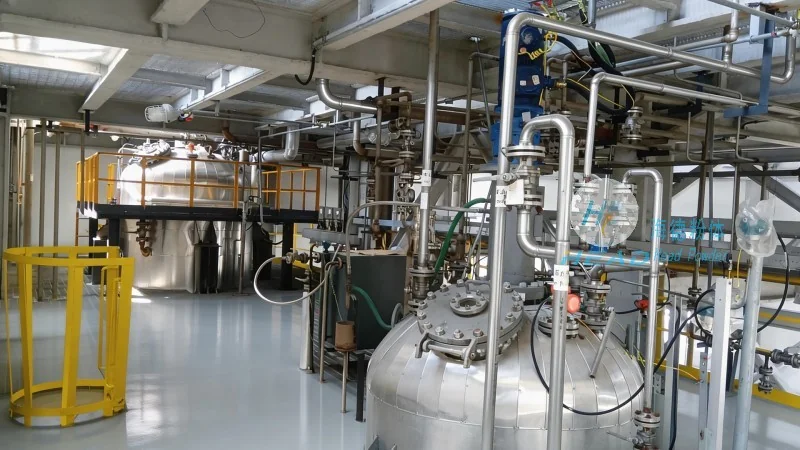
Implementing Preventive Measures in Existing Systems
For industries already using pneumatic conveying systems for seasoning powders, there are several preventive measures that can be implemented to reduce the risk of blockages. Regular maintenance, such as cleaning the pipeline and checking for wear and tear, is essential. Additionally, monitoring the system's performance parameters, including air pressure and flow rate, can help identify potential issues before they lead to blockages. Installing inline filters and separators can also help remove moisture and contaminants from the powder, preventing buildup. Furthermore, using vibration or agitation devices in the pipeline can help break up any potential blockages and maintain consistent flow.
Conclusion: Optimizing Pneumatic Conveying for Seasoning Powder Applications
Preventing pipeline blockages in pneumatic conveying systems for seasoning powders is a multifaceted challenge that requires careful consideration of design parameters and operational practices. By understanding the common causes of blockages and implementing appropriate preventive measures, industries can ensure the smooth and efficient operation of their material handling systems. Specialized engineering companies, such as Shandong HeadPowder Engineering Co., Ltd., play a crucial role in designing and optimizing these systems, providing tailored solutions that meet the unique needs of each client. With the right design and maintenance strategies, pneumatic conveying systems can provide reliable and efficient transport of seasoning powders, minimizing downtime and maximizing productivity.