

Preventing Pipeline Blockages in Pneumatic Conveying Systems for Yeast Powder: Key Design Parameters
HeadPowder, a leading engineering firm based in Shandong, China, specializes in the design and implementation of pneumatic conveying systems tailored for the efficient and reliable transport of yeast powder. As a critical component in the food and beverage industry, yeast powder requires specialized handling to ensure product integrity and operational efficiency. A common challenge in pneumatic conveying systems is the risk of pipeline blockages, which can disrupt production, increase maintenance costs, and lead to product loss. Understanding and optimizing key design parameters is essential to mitigate these risks and maintain smooth operation.
Understanding the Challenges of Yeast Powder in Pneumatic Conveying
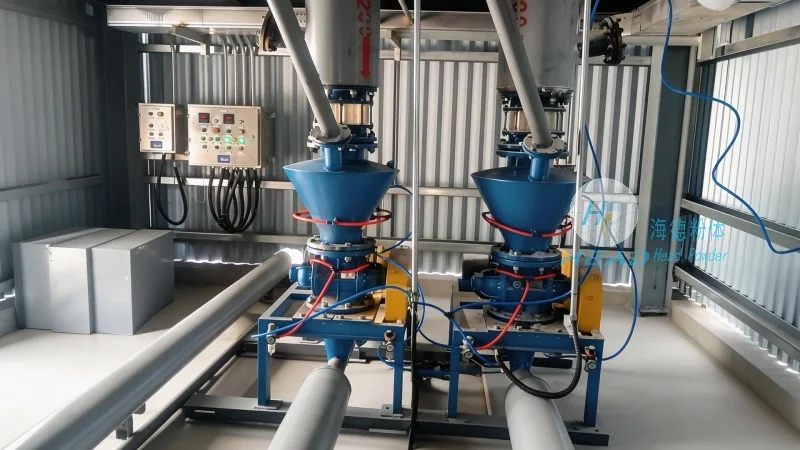
Yeast powder, with its fine particle size and variable moisture content, presents unique challenges for pneumatic conveying. The fine particles can agglomerate, leading to increased friction and potential blockages in the pipeline. Additionally, the material's tendency to stick to surfaces and its abrasive nature can accelerate wear on system components. These factors make it imperative to select appropriate design parameters that address the specific characteristics of yeast powder.
Key Design Parameters for Preventing Pipeline Blockages
Several critical design parameters must be carefully considered to prevent pipeline blockages in pneumatic conveying systems for yeast powder. The first is the conveying velocity, which must be sufficient to maintain the material in suspension but not so high as to cause excessive wear or energy consumption. HeadPowder recommends maintaining a velocity within the optimal range of 20-30 meters per second for most yeast powders, ensuring that particles remain airborne and do not settle.
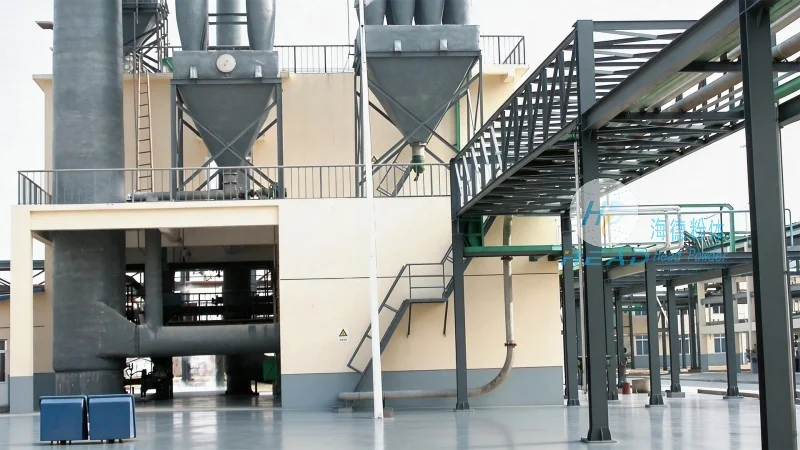
Another crucial parameter is the pressure differential. The system must generate enough pressure to overcome the resistance of the pipeline and the material's density. For yeast powder, a moderate pressure range of 0.5 to 1.5 bar is typically effective, balancing the need for efficient transport with energy efficiency. The pressure must be consistent throughout the system to avoid localized blockages caused by pressure drops.
The diameter of the conveying pipeline is also a key factor. Smaller diameters increase the risk of blockages due to the higher surface area to volume ratio, which promotes particle agglomeration. HeadPowder suggests using a minimum pipeline diameter of 100 mm for yeast powder, as this reduces friction and allows for better flow characteristics. The material of the pipeline, such as stainless steel or food-grade plastic, is also important to prevent corrosion and material contamination.
The gas-solid ratio, which is the ratio of air volume to material volume, is another critical parameter. An optimal gas-solid ratio ensures that the material is fully suspended and prevents it from settling. For yeast powder, a ratio of 10:1 to 15:1 is commonly recommended, as this maintains the material in a fluidized state and reduces the likelihood of blockages. Adjusting the ratio based on the specific properties of the yeast powder can further enhance system performance.
Material Handling and System Maintenance
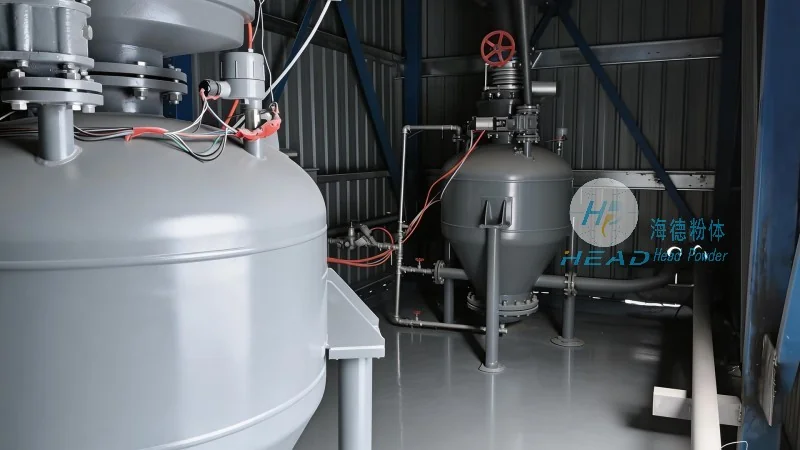
In addition to design parameters, proper material handling and regular maintenance are essential to prevent pipeline blockages. HeadPowder emphasizes the importance of pre-processing the yeast powder to remove clumps and moisture, as agglomerated particles are more likely to cause blockages. The use of inline mixers or agitators can help break up clumps before they enter the conveying system. Regular cleaning and inspection of the pipeline and equipment are also necessary to remove any accumulated material and prevent wear.
Conclusion
Preventing pipeline blockages in pneumatic conveying systems for yeast powder requires a comprehensive approach that integrates careful selection of design parameters with proper material handling and maintenance practices. By optimizing conveying velocity, pressure, pipeline diameter, and gas-solid ratio, and by adhering to regular maintenance schedules, HeadPowder ensures that its systems deliver reliable and efficient transport of yeast powder. As a trusted partner in the industry, HeadPowder continues to advance the technology and expertise needed to address the unique challenges of pneumatic conveying for yeast powder, supporting clients in achieving their operational goals with minimal downtime and maximum efficiency.