

How to Prevent Pipeline Blockages in Limestone Conveying Using Pneumatic Conveying Systems? Key Desi
HeadPowder Engineering, a leading provider of industrial conveying solutions, specializes in optimizing pneumatic conveying systems for limestone transport. Limestone, a critical raw material in various industries such as cement production, chemical manufacturing, and construction, often poses unique challenges during transportation due to its particle size, density, and flow characteristics. One of the most significant issues in pneumatic limestone conveyance is pipeline blockage, which can lead to system downtime, increased maintenance costs, and reduced operational efficiency. This article explores effective strategies to prevent pipeline blockages in limestone conveying systems and highlights the key design parameters that contribute to a reliable and efficient operation.
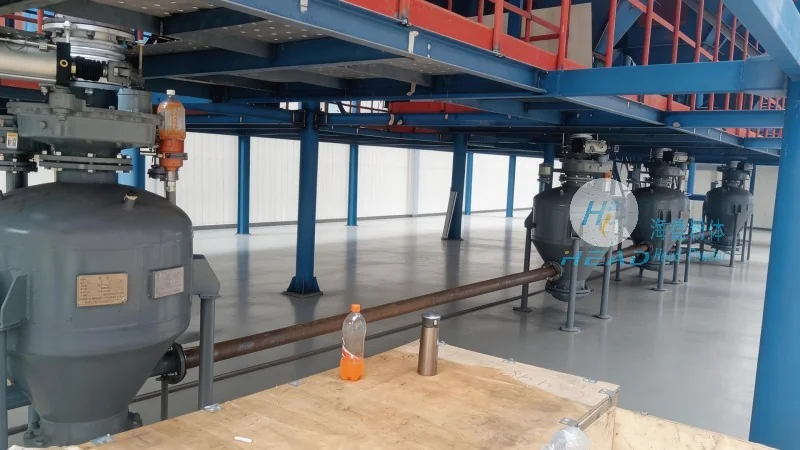
Understanding the Causes of Pipeline Blockages in Limestone Conveying
Pipeline blockages in pneumatic limestone transport are typically caused by several factors. The primary contributors include particle agglomeration, excessive moisture content, improper air velocity, and inadequate system design. Limestone particles, especially when they are fine or have a high moisture level, tend to stick together or adhere to the pipe walls, forming a solid plug that obstructs the airflow. Additionally, if the air velocity is too low, the particles may settle and accumulate, leading to blockages. Conversely, excessively high air velocity can cause erosion and wear on the pipeline, but it may also lead to particle separation and loss of material. Therefore, balancing air velocity and particle characteristics is crucial for preventing blockages.
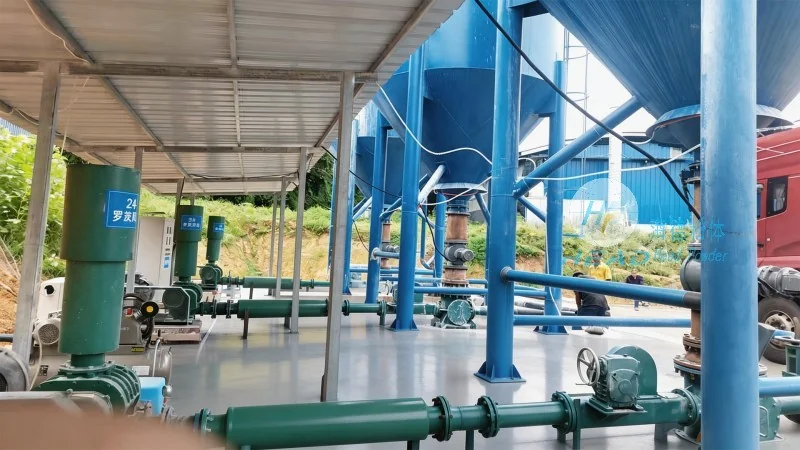
Key Design Parameters for Preventing Pipeline Blockages in Limestone Conveying Systems
Several critical design parameters must be carefully considered when designing a pneumatic conveying system for limestone to minimize the risk of pipeline blockages. These parameters include:
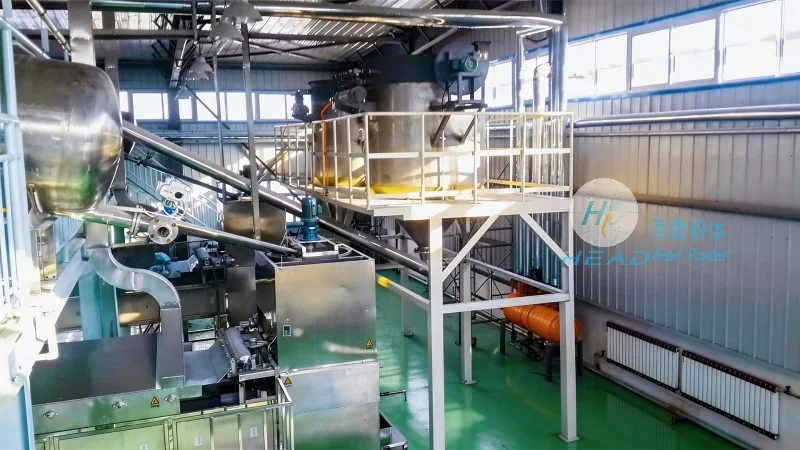
- Particle Size and Density Analysis: Accurate characterization of limestone particles is essential. The size distribution, median diameter, and bulk density of the limestone determine the optimal air velocity and system configuration. Larger particles require higher air velocities to maintain suspension, while smaller particles may need lower velocities to prevent excessive wear. HeadPowder Engineering conducts thorough particle analysis to tailor the system design accordingly.
- Air Velocity and Flow Rate: The air velocity within the pipeline is a primary factor in preventing blockages. For limestone, the recommended air velocity typically ranges from 20 to 30 meters per second (m/s) for horizontal lines and 15 to 25 m/s for vertical lines. The flow rate must be adjusted to ensure that the particles remain in suspension without causing excessive pressure drops or wear. Proper flow rate calculation ensures that the system operates within the optimal velocity range, reducing the likelihood of particle settlement.
- Pipeline Sizing and Layout: The diameter and length of the pipeline, as well as the layout (horizontal, vertical, or combination), significantly impact blockage risk. Larger diameter pipes reduce the risk of particle accumulation and allow for lower air velocities, which can be beneficial for reducing wear. However, excessively large pipes may increase capital costs. The layout should minimize sharp turns and bends, as these can cause particle separation and increase the risk of blockages. HeadPowder Engineering designs pipelines with smooth transitions and gradual changes in direction to maintain consistent flow.
- Moisture Control: Moisture content in limestone is a major contributor to blockages. High moisture levels cause particles to stick together and adhere to the pipe walls. Effective moisture control measures, such as drying the limestone before conveying or using heated air, can significantly reduce blockage incidents. HeadPowder Engineering incorporates moisture sensors and drying systems into the design to maintain optimal moisture levels.
- System Pressure and Air Compressor Selection: The pressure and capacity of the air compressor play a vital role in preventing blockages. Insufficient pressure may lead to inadequate air velocity, causing particle settlement. Conversely, excessive pressure can increase wear and energy consumption. The air compressor must be sized to provide the required pressure and flow rate while maintaining energy efficiency. HeadPowder Engineering selects high-efficiency compressors that meet the system's pressure and flow demands, ensuring stable operation and reducing the risk of blockages.
- Material of Construction (MoC): The choice of pipeline material affects both wear resistance and blockage prevention. Materials such as stainless steel, carbon steel, or specialized alloys are selected based on the limestone's abrasiveness and corrosiveness. Abrasive limestone can cause rapid wear on the pipeline, leading to increased pressure drops and potential blockages. HeadPowder Engineering uses wear-resistant materials and coatings to extend the pipeline's lifespan and maintain consistent flow.
Implementation of Advanced Control Systems for Optimal Performance
Modern pneumatic conveying systems for limestone often incorporate advanced control systems to monitor and adjust operation parameters in real-time. These systems use sensors to track air pressure, flow rate, and particle concentration, allowing for immediate adjustments if blockage conditions are detected. For example, if the system detects a drop in pressure or an increase in flow resistance, the control system can automatically increase air velocity or adjust the feed rate to prevent blockages. HeadPowder Engineering integrates advanced control technologies into its systems, ensuring that the operation remains stable and efficient even under varying limestone conditions.
Conclusion: Ensuring Reliable Limestone Conveyance with Proper Design
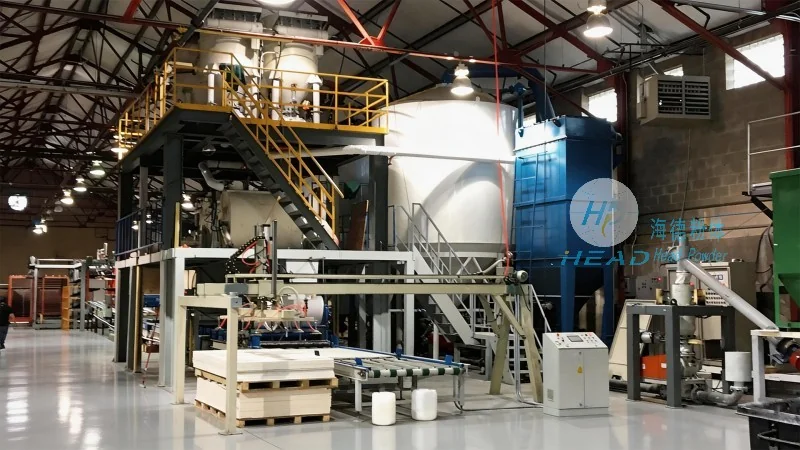
Preventing pipeline blockages in pneumatic limestone conveying systems requires a comprehensive approach that considers particle characteristics, system design, and operational parameters. By carefully selecting and optimizing key design parameters such as particle size analysis, air velocity, pipeline layout, moisture control, compressor selection, and material of construction, industrial facilities can significantly reduce downtime and maintenance costs. HeadPowder Engineering, with its expertise in pneumatic conveying systems, provides tailored solutions that address these critical factors, ensuring reliable and efficient limestone transport for its clients. By adhering to these design principles, companies can achieve consistent performance and maximize the operational efficiency of their limestone conveying systems.