

How to Prevent Pipeline Blockages in Pneumatic Conveying Systems for Copper Mine Sand? Key Design Pa
Pneumatic conveying systems are widely utilized in the copper mining industry for transporting mine sand from extraction sites to processing facilities. These systems offer advantages such as dust control, flexibility in layout, and the ability to handle abrasive materials like copper mine sand. However, a common challenge in such applications is the risk of pipeline blockages, which can lead to operational disruptions and increased maintenance costs. Understanding how to prevent these blockages and the key design parameters involved is crucial for ensuring efficient and reliable operation of the system.

Common Causes of Pipeline Blockages in Copper Mine Sand Conveying
Pipeline blockages in pneumatic conveying systems for copper mine sand can stem from several factors. One primary cause is the accumulation of fine particles that adhere to the inner walls of the pipeline, especially in areas with low velocity or high dust concentration. Another factor is the presence of moisture, which can cause the sand particles to clump together, forming larger aggregates that obstruct the flow. Additionally, the design of the system components, such as the type of airlocks, cyclones, and bends, can influence the likelihood of blockages. If the system is not properly sized or configured, it may not maintain sufficient air velocity to keep the material in suspension, leading to deposition and eventual blockage.
Key Design Parameters to Prevent Pipeline Blockages
Several critical design parameters must be considered to mitigate the risk of pipeline blockages in pneumatic conveying systems for copper mine sand. The first parameter is the system pressure and air velocity. Maintaining an appropriate air velocity is essential to keep the sand particles in suspension. For copper mine sand, typical air velocities range from 20 to 30 meters per second in the conveying line, depending on the particle size and density. Higher velocities can help prevent particle deposition but may increase energy consumption. The pressure drop across the system should also be carefully calculated to ensure that the air flow is sufficient to overcome friction losses and maintain the required velocity.
Another key parameter is the diameter of the conveying pipeline. Larger diameter pipes generally reduce the risk of blockages by minimizing friction losses and allowing for higher air velocities. However, the diameter must be balanced against the available space and cost. For copper mine sand, a common pipeline diameter is 100 to 200 millimeters, depending on the throughput requirements. The material of the pipeline itself is also important; materials like stainless steel or high-density polyethylene are often used to resist corrosion and abrasion from the abrasive sand particles.
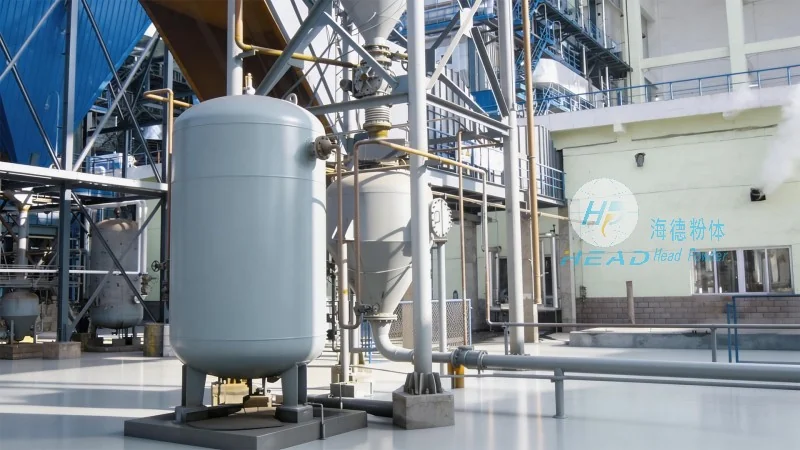
The design of the system components, particularly the bends and elbows, plays a significant role in preventing blockages. Sharp bends can cause particle accumulation due to centrifugal forces, leading to blockages. Therefore, using larger radius bends or smoothing the transition between straight sections and bends can help reduce the risk. Airlocks and cyclones are also critical components that can contribute to blockages if not properly sized. The airlock should be designed to handle the material flow rate without causing excessive pressure differentials that could lead to clogging. Cyclones, used for material separation, should be sized to ensure that the air flow is sufficient to maintain the material in suspension and prevent it from settling in the cyclone housing.
The characteristics of the copper mine sand itself are also a key design consideration. The particle size distribution, density, and moisture content all affect the conveying behavior. For example, if the sand contains a high proportion of fine particles, the system may need to be designed with higher air velocities to prevent fine particle deposition. The moisture content should be monitored and controlled, as moisture can cause clumping and blockages. Regular maintenance and cleaning of the system components, such as the pipeline and airlocks, are also essential to prevent the buildup of material that could lead to blockages over time.
Role of HeadPowder Engineering in Designing Efficient Pneumatic Conveying Systems
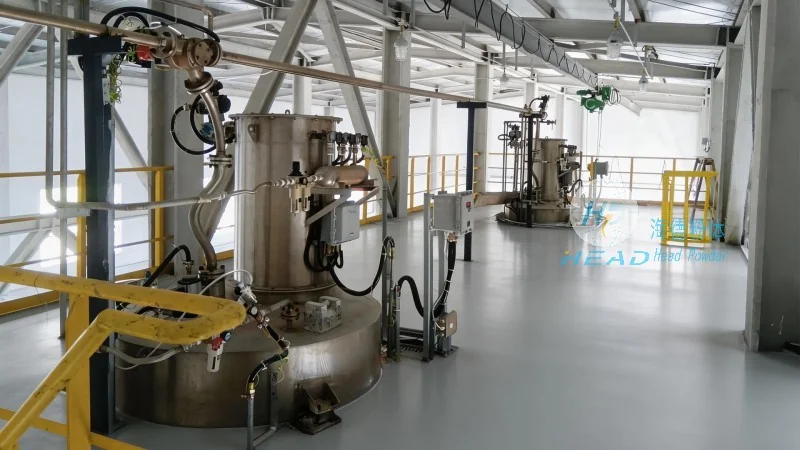
Shandong HeadPowder Engineering Co., Ltd., a leading provider of pneumatic conveying solutions, specializes in designing and implementing systems tailored to the specific needs of copper mining operations. With years of experience in the industry, HeadPowder engineers have developed expertise in addressing the challenges of copper mine sand conveying, including the prevention of pipeline blockages. The company's approach involves a comprehensive analysis of the material properties, operational requirements, and site constraints to determine the optimal design parameters for each project.
The design process begins with a thorough assessment of the copper mine sand characteristics, including particle size, density, moisture content, and abrasiveness. This information is used to select the appropriate conveying system type, such as dilute-phase or dense-phase, and to determine the required air velocity and pressure. The engineers then calculate the pipeline diameter, length, and component layout to ensure that the system operates efficiently and safely. Special attention is given to the design of bends, elbows, and airlocks to minimize the risk of blockages. For example, HeadPowder may recommend using larger radius bends or incorporating special wear-resistant materials in high-abrasion areas to extend the system's lifespan and prevent premature blockages.
The company also emphasizes the importance of regular maintenance and monitoring to ensure the long-term reliability of the system. HeadPowder provides comprehensive support services, including system audits, performance monitoring, and maintenance planning, to help copper mining operations maintain optimal conveying efficiency and prevent unexpected blockages. By leveraging their expertise in material handling and pneumatic conveying, HeadPowder helps clients achieve reliable, cost-effective transportation of copper mine sand while minimizing downtime and maintenance costs.