

How to Prevent Pipeline Blockages in Metallurgical Coke Conveying with Pneumatic Conveying Systems?
Metallurgical coke is a critical raw material in the steelmaking process, and its efficient transportation is essential for maintaining production efficiency. Pneumatic conveying systems have become a preferred method for coke transport due to their ability to handle bulk materials over long distances with minimal maintenance. However, a common challenge in such systems is pipeline blockage, which can lead to downtime, increased operational costs, and safety hazards. Understanding the key design parameters that prevent blockages is crucial for optimizing the performance of pneumatic conveying systems in coke handling applications.
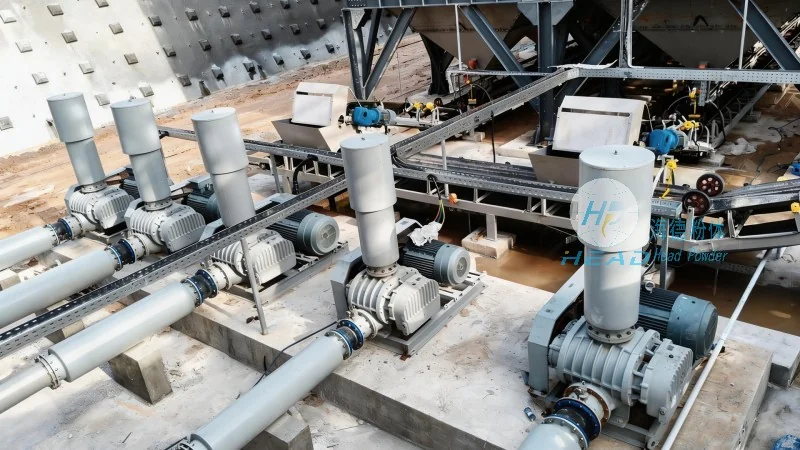
HeadPowder Engineering: Expertise in Pneumatic Conveying Solutions
Shandong HeadPowder Engineering Co., Ltd., a leading provider of pneumatic conveying systems, specializes in designing and manufacturing equipment tailored to the unique requirements of metallurgical coke transport. With years of experience in the industry, HeadPowder has developed advanced solutions that address the challenges of coke handling, including the prevention of pipeline blockages. The company’s team of engineers leverages cutting-edge technology and industry best practices to ensure that each system is optimized for reliability and efficiency.

Understanding the Causes of Pipeline Blockages in Coke Conveying
Pipeline blockages in pneumatic conveying systems can occur due to several factors, including the physical properties of the coke, system design, and operational conditions. The irregular shape and high density of metallurgical coke can cause particles to stick together or adhere to the inner walls of the pipeline, leading to clogs. Additionally, inadequate air velocity or pressure can result in insufficient material movement, causing the coke to settle and form blockages. Understanding these root causes is the first step toward implementing effective prevention strategies.
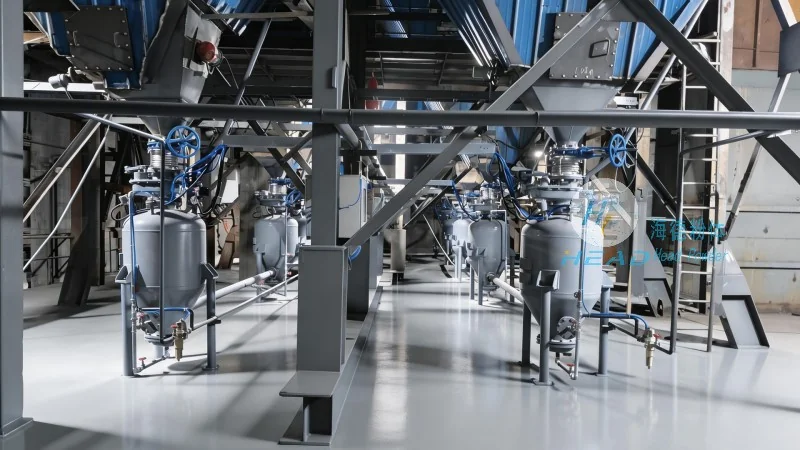
Key Design Parameters for Preventing Pipeline Blockages
Several critical design parameters must be considered when designing a pneumatic conveying system for metallurgical coke to minimize the risk of blockages. These parameters include:
- Air Velocity and Pressure: Maintaining an appropriate air velocity is essential to ensure that the coke particles are fully suspended and transported through the pipeline. Insufficient air velocity can lead to particle settling and blockages, while excessive velocity may cause wear and tear on the system components. The pressure within the system must also be optimized to provide enough force to move the coke without causing excessive stress on the pipeline.
- Pipeline Diameter and Length: The diameter of the pipeline is directly related to the volume of material that can be conveyed. A larger diameter reduces the risk of blockages by providing more space for the coke particles to move freely. However, the length of the pipeline also plays a role, as longer systems may require higher air pressure to overcome friction losses. Proper sizing of the pipeline diameter and length is crucial for maintaining consistent flow rates and preventing clogs.
- Material Handling and Conditioning: The physical properties of the coke, such as moisture content, particle size distribution, and density, significantly impact the system's performance. Moisture can cause the coke to clump together, leading to blockages. Conditioning the material, such as drying or adding anti-caking agents, can improve its flowability and reduce the risk of clogs. Additionally, ensuring a consistent particle size distribution can help maintain uniform air flow and prevent uneven material loading.
- System Layout and Bends: The design of the pipeline layout, including the number and angle of bends, affects the flow of the coke. Sharp bends can cause the coke particles to impact the pipeline walls, leading to abrasion and potential blockages. Using smooth bends with gradual transitions and appropriate radii can minimize the risk of clogs and reduce wear on the system. Properly planning the system layout to avoid unnecessary vertical drops or horizontal turns also contributes to smoother material transport.
- Filter and Separator Design: The filter and separator at the end of the conveying system are critical for maintaining system efficiency and preventing blockages. A properly designed filter can remove fine particles and prevent them from entering the pipeline, reducing the risk of clogs. The separator should be sized and positioned to efficiently separate the coke from the air, ensuring that the material is discharged without causing blockages in the downstream equipment.
Implementing Best Practices for Reliable Coke Conveying
While design parameters are crucial, operational best practices also play a significant role in preventing pipeline blockages. Regular maintenance of the system, including cleaning the pipeline and replacing worn components, is essential to maintain optimal performance. Monitoring system parameters such as air pressure, flow rate, and temperature can help identify potential issues before they lead to blockages. Additionally, training operators on proper system operation and emergency procedures can minimize the risk of human error that may cause blockages.
Conclusion: Optimizing Pneumatic Conveying for Metallurgical Coke
Preventing pipeline blockages in pneumatic conveying systems for metallurgical coke requires a combination of proper design and operational best practices. By considering key parameters such as air velocity, pipeline diameter, material conditioning, and system layout, engineers can design systems that are reliable and efficient. Companies like Shandong HeadPowder Engineering Co., Ltd. offer specialized expertise in this area, providing tailored solutions that meet the unique needs of coke handling applications. With the right design and maintenance, pneumatic conveying systems can effectively transport metallurgical coke while minimizing downtime and operational costs.