

How to Prevent Pipeline Blockages in Pneumatic Conveying Systems for Activated Carbon? Key Design Pa
For industrial applications involving the transport of activated carbon, the reliability of pneumatic conveying systems is paramount. A common challenge in such operations is the risk of pipeline blockages, which can lead to operational disruptions and increased maintenance costs. Understanding the underlying causes and implementing effective design strategies are crucial for maintaining smooth and efficient material handling. This article explores how to prevent pipeline blockages in pneumatic conveying systems specifically for activated carbon, along with the key design parameters that play a critical role in system performance.
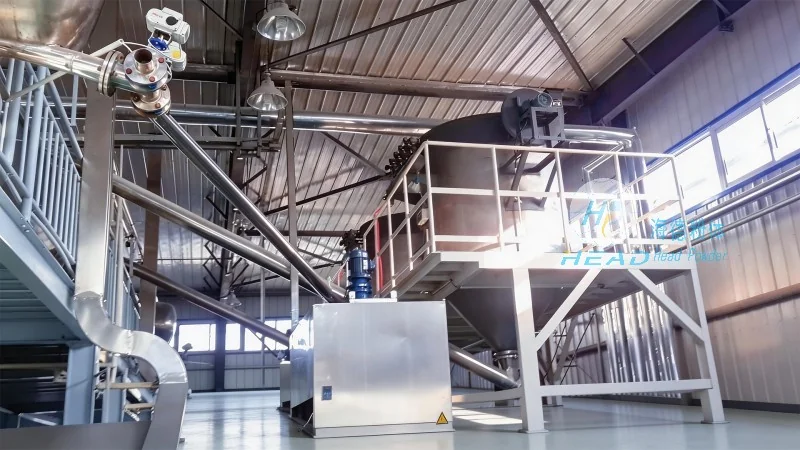
Understanding the Causes of Pipeline Blockages in Activated Carbon Conveying
Pipeline blockages in pneumatic conveying systems for activated carbon can stem from several factors. One primary cause is the high moisture content or agglomerates in the material, which can cause the particles to stick together or adhere to the pipe walls. Additionally, the flow velocity and pressure within the system may not be optimized, leading to insufficient air movement to keep the material in suspension. Another factor is the design of the system components, such as the type of ductwork, bends, and fittings, which can create areas where material can settle and accumulate. By identifying these root causes, engineers can develop targeted solutions to mitigate blockage risks.
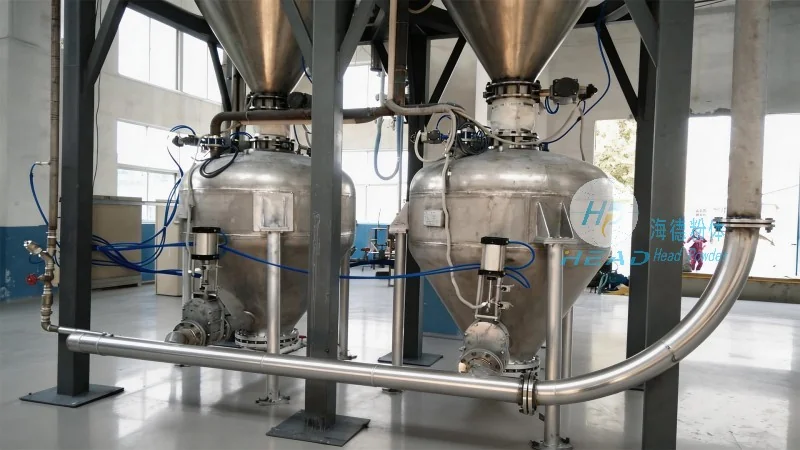
Key Design Parameters for Preventing Blockages in Pneumatic Conveying
Several key design parameters must be carefully considered when designing a pneumatic conveying system for activated carbon to minimize the risk of blockages. The first parameter is the air velocity, which should be maintained at a level sufficient to keep the material in suspension throughout the entire conveying line. For activated carbon, typical conveying velocities range from 20 to 30 meters per second, depending on the particle size and density. Maintaining this velocity ensures that the particles remain airborne and do not settle, reducing the likelihood of blockages. Another critical parameter is the system pressure, which must be sufficient to overcome the resistance caused by the material and the pipe friction. Proper pressure control is essential to avoid excessive pressure drops that can lead to material deposition.
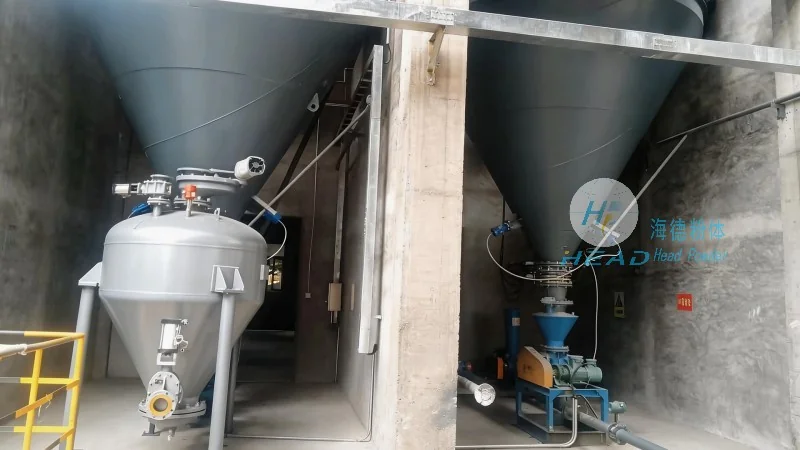
The diameter of the conveying pipeline is another important design factor. Larger pipe diameters generally reduce the frictional losses and the risk of blockages, as they allow for a more uniform flow of material and air. However, the pipe diameter must be balanced against the system's capacity and energy consumption. The use of smooth, corrosion-resistant materials for the pipeline, such as stainless steel or polyethylene, is also recommended to prevent material buildup and corrosion-related issues. Additionally, the design of bends and fittings is crucial. Sharp bends can cause the material to impact the pipe walls and settle, leading to blockages. Therefore, using gradual bends with larger radii and appropriate transition sections can help maintain the flow and prevent material accumulation.
System Configuration and Control Strategies
Beyond the design parameters, the overall system configuration and control strategies play a vital role in preventing pipeline blockages. The layout of the conveying line, including the number and placement of silos, hoppers, and receivers, should be optimized to minimize the length of horizontal runs and the number of bends. This reduces the overall resistance and the risk of material settling. Properly sized and positioned airlocks and rotary valves are also essential components to ensure a smooth transition between different sections of the system and prevent material backflow or blockage at the inlet and outlet points. Implementing real-time monitoring and control systems, such as pressure sensors and flow meters, allows operators to detect and address potential blockages promptly, further enhancing system reliability.
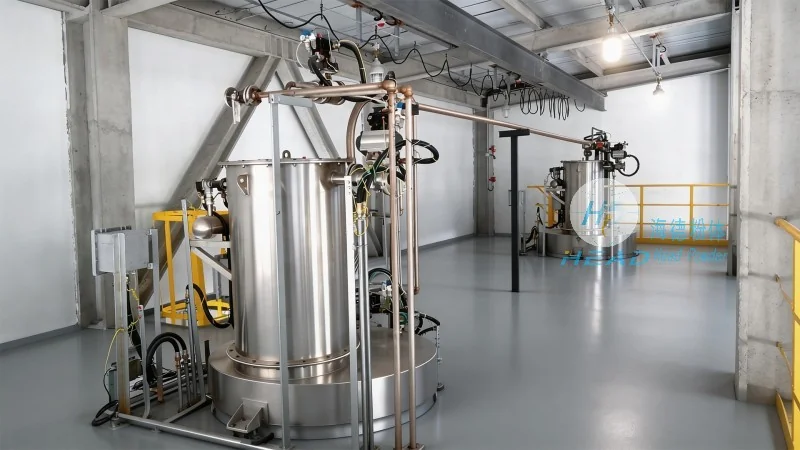
Case Study: Successful Implementation by Shandong HeadPowder Engineering Co., Ltd.
Shandong HeadPowder Engineering Co., Ltd., a leading provider of pneumatic conveying solutions, has successfully implemented several systems to prevent blockages in activated carbon handling. One notable project involved a client in the chemical industry requiring the transport of activated carbon from a storage silo to a processing unit over a distance of 100 meters. The system was designed with a conveying velocity of 25 meters per second and a pressure of 0.8 MPa, using a 150mm diameter pipeline with gradual bends. The implementation of these design parameters, along with proper control systems, resulted in a significant reduction in blockage incidents, with the system operating at high efficiency for over two years. This case study highlights the importance of adhering to the key design principles discussed above and the expertise of companies like HeadPowder in delivering reliable solutions for activated carbon conveying.