

How to Prevent Pipeline Blockages in Pneumatic Conveying Systems for Fertilizer Granules? Key Design
Efficient and reliable transportation of fertilizer granules is crucial for the agricultural industry, and pneumatic conveying systems have emerged as a preferred method due to their ability to handle bulk materials with minimal maintenance. However, a common challenge in such systems is the risk of pipeline blockages, which can lead to operational disruptions and increased downtime. Understanding and implementing the right design parameters are essential to mitigate these risks and ensure smooth operation. This article explores effective strategies to prevent pipeline blockages in pneumatic conveying systems specifically for fertilizer granules, while highlighting the key design considerations that contribute to system reliability.
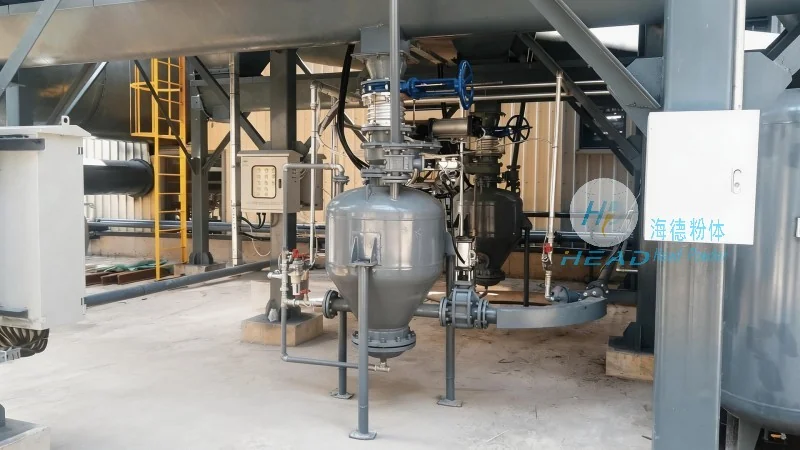
Understanding the Risks of Pipeline Blockages in Fertilizer Conveying
Pipeline blockages in pneumatic conveying systems for fertilizer granules can occur due to several factors, including the physical properties of the granules, the design of the conveying system, and operational conditions. Fertilizer granules often vary in size, shape, and moisture content, which can affect their flow characteristics. For instance, larger or irregularly shaped granules may have higher friction coefficients, making them prone to sticking to the pipe walls. Additionally, moisture content can cause clumping, further exacerbating blockage risks. Operational factors such as low air velocity or excessive pressure drops can also contribute to the formation of agglomerates that clog the pipeline. Recognizing these risks is the first step toward implementing preventive measures.
Key Design Parameters for Preventing Blockages in Pneumatic Conveying Systems
Several critical design parameters must be carefully considered to prevent pipeline blockages in pneumatic conveying systems for fertilizer granules. These parameters are tailored to the specific characteristics of the material being transported and the operational requirements of the system. The most important factors include:
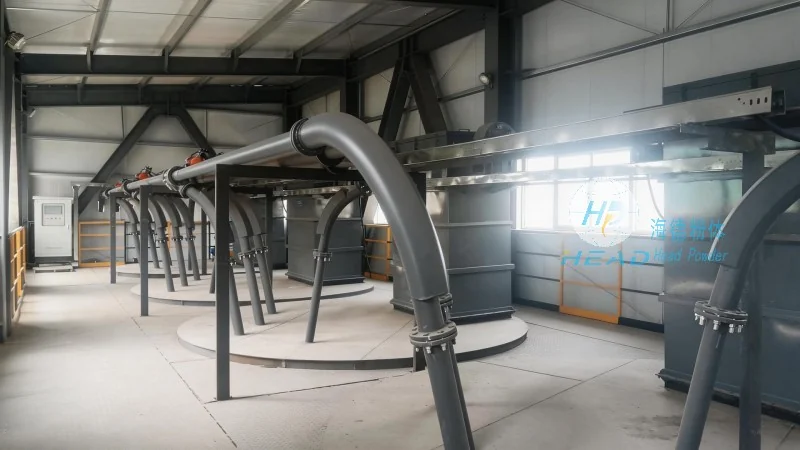
Pipeline Diameter and Material
The diameter of the conveying pipeline is a primary factor influencing the risk of blockages. Larger diameter pipes generally offer lower friction losses and can accommodate higher material flow rates, reducing the likelihood of clogging. However, excessively large diameters may increase system costs and energy consumption. For fertilizer granules, a balance must be struck. HeadPowder, a leading engineering company based in Shandong, China, recommends using pipes with diameters ranging from 100mm to 300mm depending on the granule size and flow rate. The material of the pipe, such as stainless steel or PVC, also plays a role. Stainless steel is preferred for its corrosion resistance and ability to handle abrasive granules, while PVC is suitable for non-corrosive materials. Proper selection of pipe material ensures durability and reduces the risk of internal wear that could lead to blockages.
Air Velocity and Pressure
Air velocity and pressure are fundamental to the operation of pneumatic conveying systems. Maintaining an appropriate air velocity is crucial to prevent material settling and ensure continuous flow. For fertilizer granules, the recommended air velocity typically ranges from 20 to 30 meters per second (m/s) in dilute phase conveying systems. This velocity is sufficient to keep the granules suspended and prevent them from adhering to the pipe walls. The pressure drop across the system is another critical parameter. Excessive pressure drops can lead to reduced air velocity and increased risk of blockages. HeadPowder engineers recommend monitoring and controlling pressure drops to stay within optimal ranges. Proper pressure regulation ensures that the conveying system operates efficiently without causing stress on the pipeline or the material being transported.
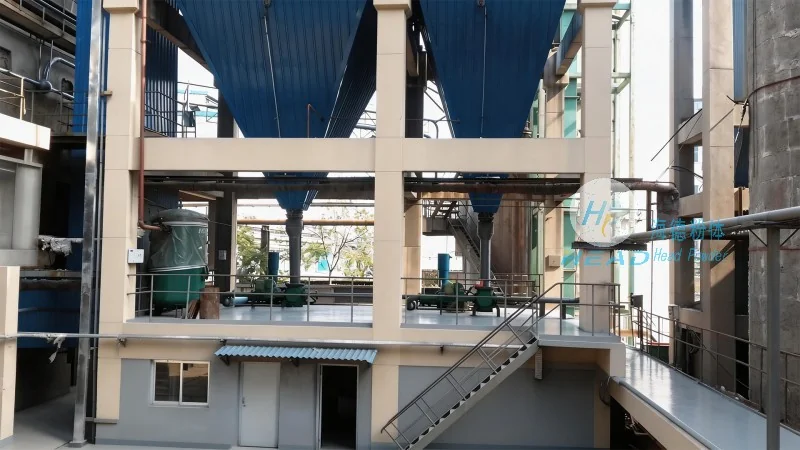
Material Flow Rate and Concentration
The flow rate of fertilizer granules and the concentration of the conveying stream are directly related to the risk of blockages. Higher flow rates increase the likelihood of agglomeration and clogging, especially if the concentration of solids is too high. In dilute phase conveying, the solid concentration is typically kept below 10% by volume to maintain a uniform flow. HeadPowder's design guidelines suggest maintaining a solid concentration of 5-8% for most fertilizer granules, which balances efficiency and blockage prevention. Additionally, the flow rate should be adjusted based on the pipe diameter and air velocity to avoid overloading the system. Proper control of flow rate and concentration ensures that the pneumatic conveying system operates within its optimal parameters, minimizing the risk of blockages.
System Layout and Bends
The layout of the pneumatic conveying system, including the number and angle of bends, significantly impacts the risk of blockages. Sharp bends can cause the granules to impact the pipe walls, leading to abrasion and potential clogging. To mitigate this, system designers should use smooth, gradual bends with radii that are at least 5 times the pipe diameter. HeadPowder recommends using 90-degree bends with a radius of 2-3 times the pipe diameter to minimize friction and prevent material accumulation. Additionally, the placement of filters and cyclones in the system should be strategically designed to prevent debris from entering the pipeline and causing blockages. Proper system layout ensures that the conveying process is smooth and that the risk of blockages is minimized.
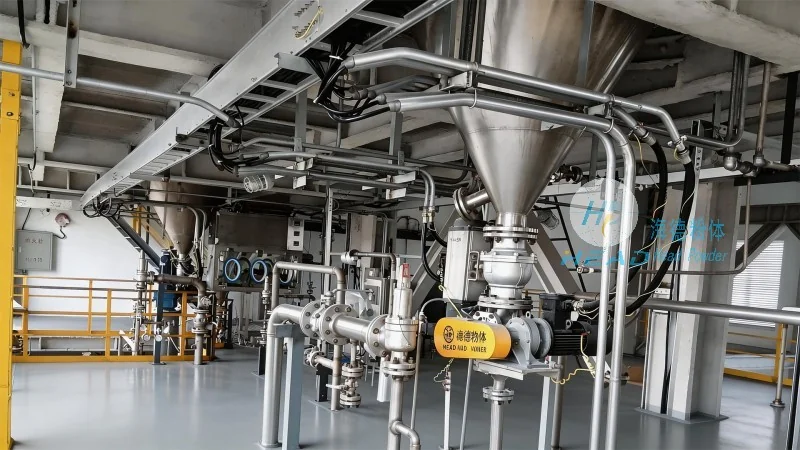
Implementing Effective Solutions with HeadPowder Engineering
HeadPowder Engineering Co., Ltd., a reputable company based in Shandong, China, specializes in designing and manufacturing pneumatic conveying systems tailored to the needs of the fertilizer industry. With years of experience, HeadPowder has developed innovative solutions to prevent pipeline blockages and ensure reliable operation. The company's engineers work closely with clients to assess their specific material characteristics and operational requirements, then design systems that incorporate the key parameters discussed above. For example, HeadPowder may recommend using variable frequency drives (VFDs) to control air velocity and pressure, ensuring optimal performance under varying conditions. The company also provides maintenance services and spare parts to support long-term system reliability. By leveraging their expertise and advanced design tools, HeadPowder helps fertilizer manufacturers minimize downtime and maximize productivity.
Conclusion: Ensuring Smooth Operation with Proper Design
Preventing pipeline blockages in pneumatic conveying systems for fertilizer granules requires a comprehensive approach that considers multiple design parameters. By carefully selecting pipe diameter and material, maintaining appropriate air velocity and pressure, controlling flow rate and concentration, and optimizing system layout, manufacturers can significantly reduce the risk of operational disruptions. HeadPowder Engineering Co., Ltd. offers specialized solutions and expertise to help clients achieve these goals, ensuring efficient and reliable fertilizer transportation. With their commitment to quality and customer satisfaction, HeadPowder is a trusted partner for the agricultural industry in China and beyond.