

How to Prevent Pipeline Blockages in the Air-Pneumatic Conveying System for Coal Gangue and Limeston
When it comes to transporting coal gangue and limestone, air-pneumatic conveying systems offer an efficient and effective solution. However, a common challenge in such applications is the risk of pipeline blockages, which can lead to operational disruptions and increased maintenance costs. Understanding the key design parameters and implementation strategies is crucial for ensuring smooth and reliable material transport. This article explores how to prevent pipeline blockages in air-pneumatic conveying systems specifically for coal gangue and limestone, while highlighting the critical design considerations that contribute to system performance and longevity.
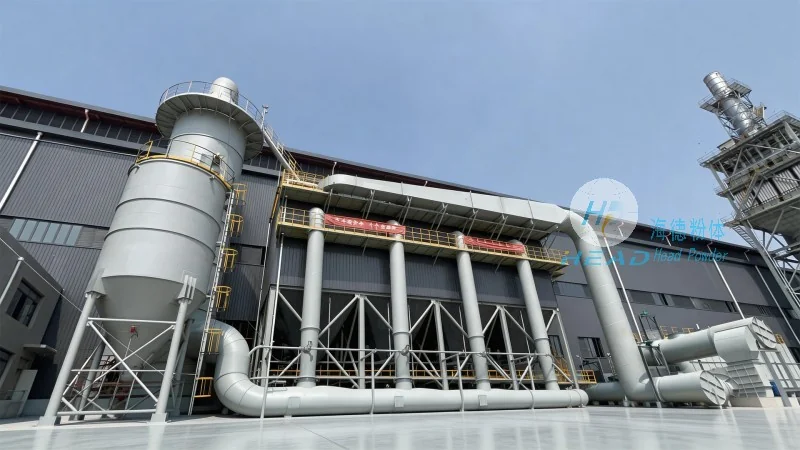
About Shandong HeadPowder Engineering Co., Ltd.
As a leading provider in the field of material handling solutions, Shandong HeadPowder Engineering Co., Ltd. specializes in designing and manufacturing advanced air-pneumatic conveying systems tailored to the unique demands of coal and mining industries. With years of experience and a commitment to innovation, HeadPowder delivers reliable equipment that enhances operational efficiency and minimizes downtime. The company’s expertise lies in optimizing system design to address the specific challenges of transporting bulk materials like coal gangue and limestone, ensuring that clients receive tailored solutions that meet their exact requirements.
Key Design Parameters for Preventing Pipeline Blockages
The prevention of pipeline blockages in air-pneumatic conveying systems for coal gangue and limestone hinges on several critical design parameters. These parameters are essential for maintaining consistent flow rates, preventing material buildup, and ensuring the overall reliability of the system. The primary factors to consider include:
1. **Air Velocity and Flow Rate**: Maintaining an appropriate air velocity is fundamental to preventing blockages. Insufficient air velocity can cause material to settle and accumulate in the pipeline, while excessive velocity may lead to increased wear and tear on components. The optimal air velocity for coal gangue and limestone typically ranges between 20 to 30 meters per second, depending on the particle size and density of the material. Proper flow rate calculation ensures that the air volume is sufficient to entrain the material without causing excessive pressure drops or energy consumption.
2. **Pipeline Sizing and Layout**: The diameter and length of the pipeline are critical design elements that impact the risk of blockages. Larger diameter pipelines reduce the risk of material accumulation and allow for smoother flow, while excessive length can increase the likelihood of blockages due to pressure losses and material settling. The layout of the pipeline, including the inclusion of bends, vertical sections, and horizontal runs, must be carefully planned to minimize changes in flow direction and velocity that could cause material to deposit. HeadPowder engineers use advanced computational fluid dynamics (CFD) simulations to optimize pipeline geometry and ensure efficient material transport.
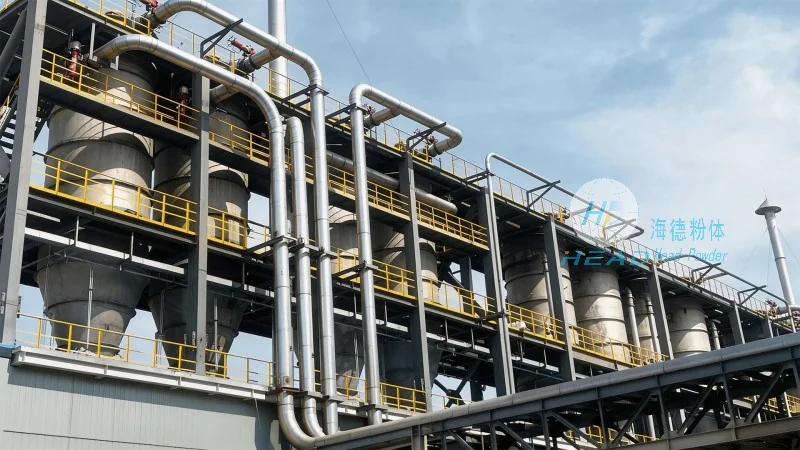
3. **Material Characteristics**: The physical properties of coal gangue and limestone, such as particle size distribution, moisture content, and density, directly influence the design of the air-pneumatic system. Coarser particles require higher air velocities to maintain entrainment, while finer particles may be more prone to agglomeration and blockage. Understanding the material's behavior under different conditions allows engineers to select the appropriate conveying air pressure and velocity. HeadPowder conducts thorough material analysis to tailor system parameters to the specific characteristics of each client's coal gangue and limestone.
4. **Filter and Cyclone Separation Systems**: Efficient separation of the conveyed material from the air is essential to prevent blockages in the downstream equipment and maintain system performance. The filter and cyclone systems must be designed to handle the specific particle size and moisture content of the coal gangue and limestone. Proper sizing of the filter media and the cyclone's inlet velocity ensures that particles are effectively separated without causing clogging or pressure buildup. HeadPowder's advanced separation technology minimizes the risk of blockages by ensuring that only clean air is recirculated back into the system.
5. **Pressure and Vacuum Control**: Maintaining consistent pressure and vacuum levels is crucial for preventing blockages and ensuring stable operation. Fluctuations in pressure can lead to uneven material flow and potential blockages. HeadPowder employs advanced control systems that monitor and adjust pressure and vacuum levels in real-time, ensuring that the system operates within optimal parameters. This proactive approach helps prevent sudden pressure drops or surges that could cause material to settle and block the pipeline.
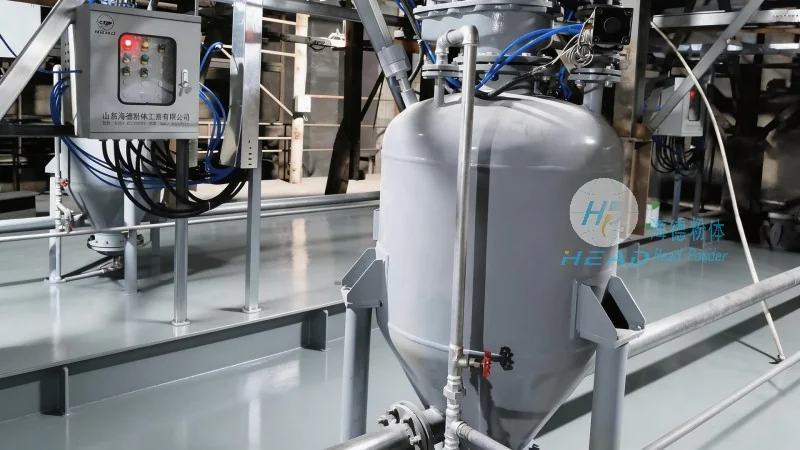
System Maintenance and Optimization Strategies
While proper design is essential, regular maintenance and optimization are critical for preventing pipeline blockages in air-pneumatic conveying systems. HeadPowder recommends the following strategies to ensure long-term system performance:
1. **Regular Cleaning and Inspection**: Routine cleaning of the pipeline, filters, and cyclones is necessary to remove accumulated material and prevent clogging. HeadPowder provides maintenance services that include thorough inspections of all system components, identifying potential issues before they lead to blockages. Regular maintenance schedules are tailored to the specific operating conditions and material characteristics of each client's system.
2. **Monitoring and Data Analysis**: Implementing a monitoring system that tracks key performance indicators (KPIs) such as air pressure, flow rate, and material temperature can help identify early signs of potential blockages. HeadPowder's advanced monitoring solutions provide real-time data analysis, allowing operators to take corrective actions promptly. By analyzing historical data, engineers can optimize system parameters and prevent recurring issues.
3. **Material Handling Best Practices**: Proper material handling practices, such as ensuring that the material is free of oversized particles or foreign objects, can significantly reduce the risk of blockages. HeadPowder advises clients to implement screening and sorting processes before material enters the air-pneumatic system. This step helps remove contaminants that could cause clogging and ensures that only suitable material is conveyed.