

Preventing Pipeline Blockages in Pneumatic Conveying Systems for Sintering Dust Removal: Key Design
When it comes to transporting sintering dust removal materials using pneumatic conveying systems, preventing pipeline blockages is a critical challenge that can significantly impact operational efficiency and system reliability. The sintering process, a key step in steel production, generates large volumes of fine dust that require effective and reliable handling. Pneumatic conveying offers a solution by using air to transport these materials, but without proper design and maintenance, blockages can occur, leading to downtime and increased maintenance costs.
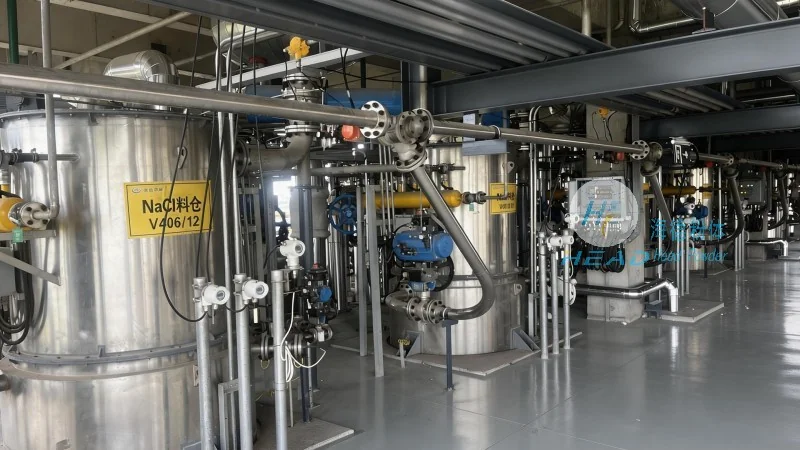
Understanding the Challenges of Sintering Dust Conveying
Sintering dust is characterized by its fine particle size, high moisture content in some cases, and abrasive nature. These properties make it prone to agglomeration and clogging in pipelines. Traditional conveying methods may struggle with such materials, but advanced pneumatic systems can address these issues if designed correctly. The primary goal is to ensure that the dust flows smoothly through the system without accumulating or forming blockages that could disrupt the entire process.
Key Design Parameters for Preventing Blockages
Several key design parameters are essential for preventing pipeline blockages in pneumatic conveying systems for sintering dust. The first is the air velocity, which must be maintained at an appropriate level to keep the dust particles in suspension. Insufficient air velocity can cause particles to settle and agglomerate, leading to blockages. Conversely, excessively high velocity may increase energy consumption and wear on components. Engineers typically aim for an air velocity that is at least 2-3 times the terminal velocity of the dust particles to ensure stable transport.
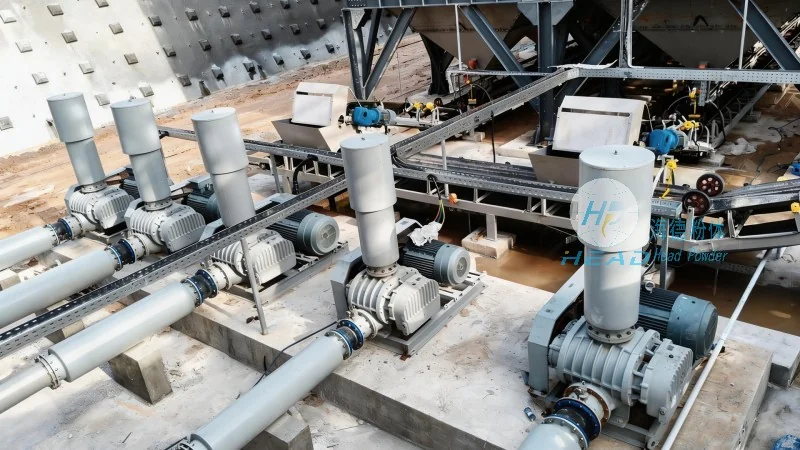
Another critical parameter is the pipeline diameter. Larger diameters reduce the risk of blockages by providing more space for particles to move and reducing friction losses. However, larger diameters also increase the system's capital cost and energy consumption. The choice of diameter is a balance between minimizing blockage risk and optimizing system efficiency. For sintering dust, diameters ranging from 100mm to 300mm are commonly used, depending on the volume and particle size of the material being conveyed.
The material of construction for the pipeline and components is also a key factor. Sintering dust can be abrasive, so using materials like stainless steel or high-grade plastics that can withstand wear and corrosion is essential. Corrosion can weaken the pipeline and create points of failure that may lead to blockages. Additionally, the use of smooth, non-porous surfaces helps prevent dust particles from adhering to the pipe walls, reducing the likelihood of agglomeration.
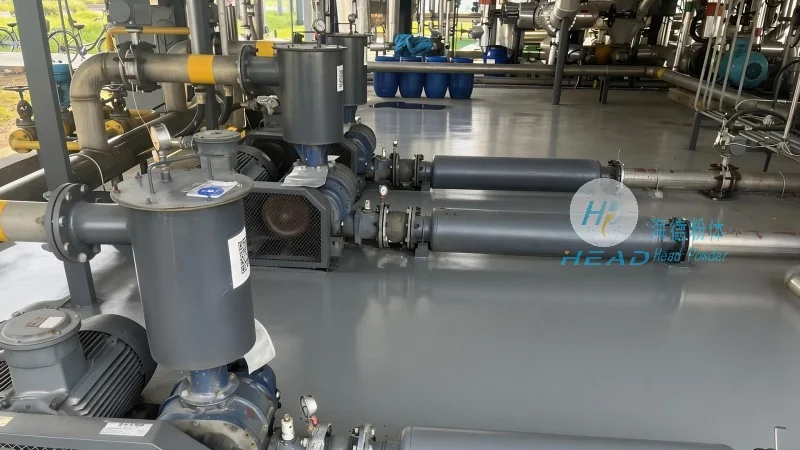
System configuration, including the layout of the pipeline and the placement of components such as cyclones, filters, and valves, also plays a role in preventing blockages. A well-designed layout ensures that the flow is continuous and that there are no areas where particles can settle or accumulate. For example, avoiding sharp bends and using gradual transitions can help maintain consistent air velocity and particle suspension. The placement of cyclones and filters should also be optimized to prevent clogging and ensure that the system operates efficiently.
Role of HeadPowder in Designing Effective Pneumatic Systems
Shandong HeadPowder Engineering Co., Ltd. specializes in the design and implementation of pneumatic conveying systems tailored to the specific needs of sintering plants. With years of experience in handling abrasive and fine materials, HeadPowder understands the critical importance of preventing pipeline blockages. The company's engineers work closely with clients to assess the characteristics of the sintering dust, including particle size distribution, moisture content, and flow properties, to develop a customized system that minimizes the risk of blockages.
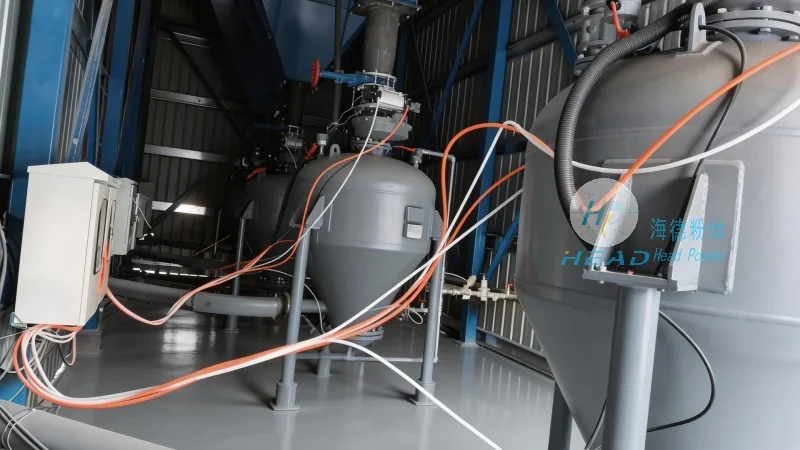
HeadPowder employs advanced design software and simulation tools to model the pneumatic conveying system before installation. This allows them to optimize parameters such as air velocity, pipeline diameter, and component placement to ensure optimal performance and prevent blockages. The company also provides comprehensive training and maintenance services to ensure that the system operates at peak efficiency and that any potential issues are addressed promptly.
By focusing on key design parameters and leveraging their expertise, HeadPowder helps sintering plants achieve reliable and efficient dust removal, reducing downtime and maintenance costs while improving overall operational performance. The company's commitment to quality and customer satisfaction has made it a trusted partner in the industry for pneumatic conveying solutions.