

How to Prevent Pipeline Blockages in Sorghum Distiller's Grains Conveying with Pneumatic Conveying S
When it comes to the efficient and reliable transportation of sorghum distiller's grains, pneumatic conveying systems have emerged as a critical solution for many industrial applications. However, one of the most common challenges faced by operators is the risk of pipeline blockages, which can lead to downtime, increased maintenance costs, and reduced productivity. Understanding how to prevent such blockages and the key design parameters that influence system performance is essential for optimizing the operation of pneumatic conveying systems in this specific context.
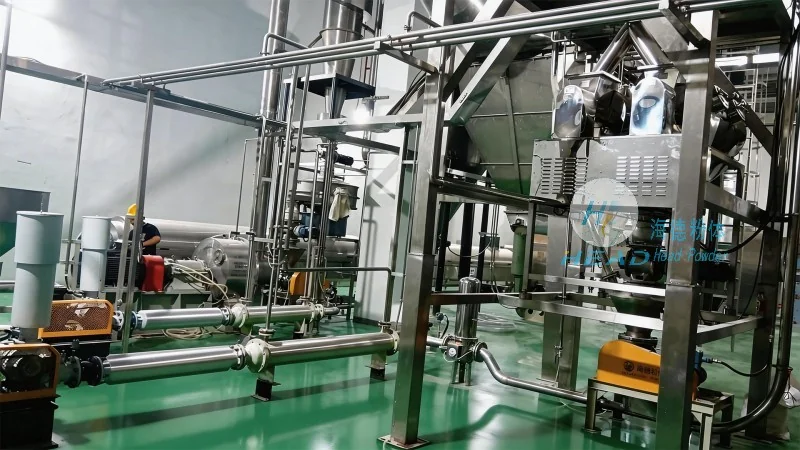
Understanding the Challenges of Sorghum Distiller's Grains Conveying
Sorghum distiller's grains are a byproduct of the ethanol production process, characterized by their high moisture content, fibrous structure, and tendency to clump or agglomerate. These properties make them particularly susceptible to causing blockages in traditional conveying systems, such as screw conveyors or belt conveyors. Pneumatic conveying systems, which use air or gas to transport materials, offer a more flexible and efficient alternative, but they still require careful design and operation to mitigate the risk of blockages.
Key Design Parameters for Preventing Pipeline Blockages
Several critical design parameters must be considered when designing a pneumatic conveying system for sorghum distiller's grains to minimize the risk of blockages. The first and most important parameter is the air velocity. Maintaining an appropriate air velocity is crucial to ensure that the material is fully suspended and transported without settling or clumping. For sorghum distiller's grains, a typical operating air velocity ranges from 20 to 30 meters per second, depending on the material's characteristics and the system's configuration. Higher velocities can help prevent blockages but may increase energy consumption and system wear.
The second key parameter is the system's pressure. Pneumatic conveying systems can operate under either positive or negative pressure. Positive pressure systems, where air is forced into the conveying line, are generally more suitable for transporting sorghum distiller's grains over longer distances or to multiple destinations. Negative pressure systems, where air is drawn out of the line, are often used for shorter distances or when the material needs to be collected from a single source. The pressure level must be sufficient to overcome the material's resistance to flow and prevent it from settling in the pipeline.
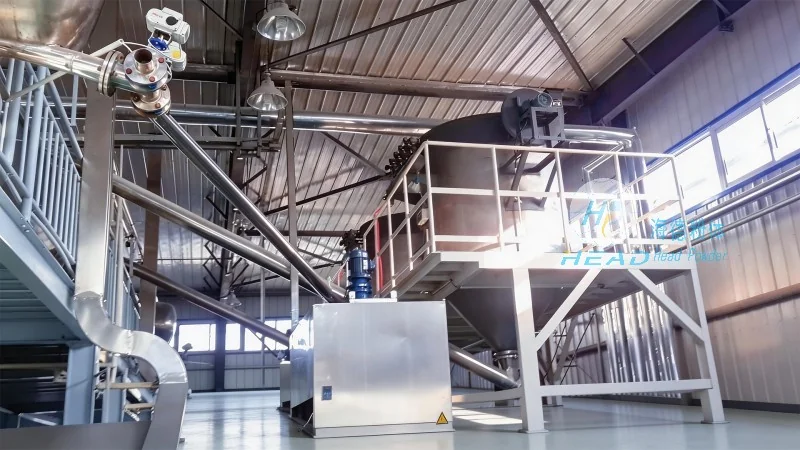
The third important design parameter is the material's flow rate. The flow rate of sorghum distiller's grains should be carefully controlled to match the system's capacity. Overloading the system can lead to excessive pressure drops and increased risk of blockages. Conversely, operating at too low a flow rate may result in inefficient use of energy and potential material degradation. Proper sizing of the conveying line and the use of flow control devices, such as rotary valves or airlocks, can help maintain an optimal flow rate.
The fourth parameter is the system's layout and configuration. The design of the conveying line, including the number and placement of bends, elbows, and expansion joints, plays a significant role in preventing blockages. Sharp bends and narrow sections can cause the material to settle and accumulate, leading to blockages. Therefore, it is essential to use smooth, gradual bends and to avoid unnecessary changes in direction. Additionally, the inclusion of cleaning mechanisms, such as pulse jets or mechanical sweepers, can help maintain the system's cleanliness and reduce the risk of blockages over time.
Role of HeadPowder Engineering in Designing Effective Pneumatic Conveying Systems
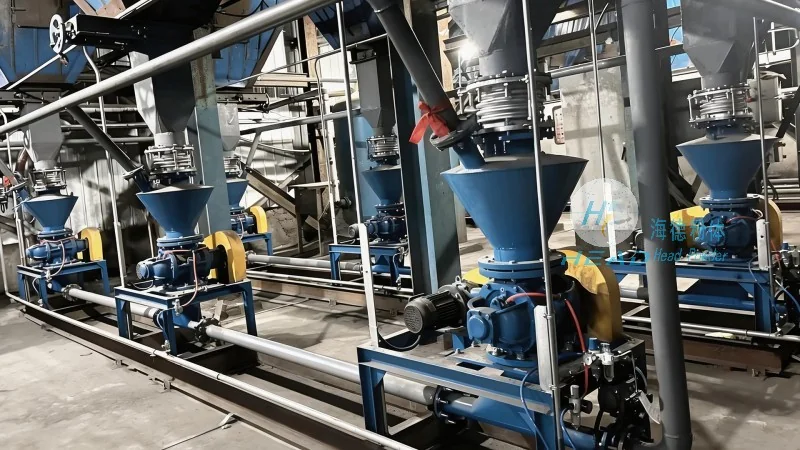
Shandong HeadPowder Engineering Co., Ltd., a leading provider of pneumatic conveying solutions, specializes in designing and implementing systems tailored to the unique challenges of sorghum distiller's grains transportation. With years of experience in the industry, the company understands the importance of optimizing design parameters to prevent blockages and ensure reliable operation. HeadPowder Engineering employs advanced computational fluid dynamics (CFD) and material flow analysis to simulate system performance and identify potential bottlenecks before construction. This approach allows for the fine-tuning of air velocity, pressure, and flow rate to achieve optimal results.
The company's expertise extends to the selection of appropriate equipment components, such as high-efficiency blowers, rotary valves, and air filters. These components are crucial for maintaining consistent air flow and preventing the accumulation of dust or debris that could lead to blockages. HeadPowder Engineering also emphasizes the importance of regular maintenance and system monitoring to detect early signs of potential blockages and address them promptly. By combining technical expertise with practical experience, the company ensures that its clients can rely on their pneumatic conveying systems for efficient and uninterrupted sorghum distiller's grains transportation.
Conclusion: Optimizing Pneumatic Conveying Systems for Sorghum Distiller's Grains
Preventing pipeline blockages in pneumatic conveying systems for sorghum distiller's grains requires a comprehensive approach that considers multiple design parameters. By focusing on air velocity, system pressure, material flow rate, and system layout, operators can significantly reduce the risk of downtime and maintenance costs. The expertise of companies like Shandong HeadPowder Engineering Co., Ltd. is invaluable in this process, as they provide tailored solutions and ongoing support to ensure the long-term reliability of pneumatic conveying systems. With proper design and operation, pneumatic conveying systems can effectively handle the challenges posed by sorghum distiller's grains, delivering efficient and cost-effective transportation solutions for the ethanol industry.