

Preventing Pipeline Blockages in Pneumatic Conveying Systems for Polypropylene Resin Powder: Key Des
When handling polypropylene resin powder through pneumatic conveying systems, preventing pipeline blockages is a critical concern for maintaining efficient operation and minimizing downtime. The design of the system plays a pivotal role in ensuring smooth material flow and avoiding costly interruptions. This article explores effective strategies to prevent blockages and highlights the key design parameters that contribute to reliable performance in such applications.
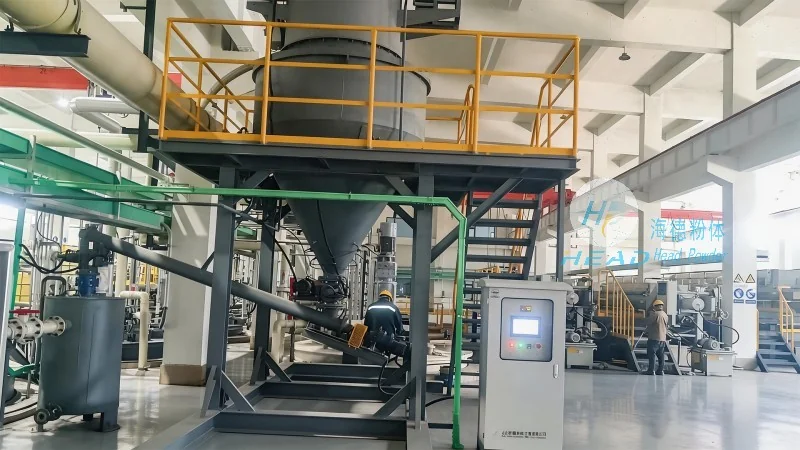
Understanding the Challenges of Polypropylene Resin Powder in Pneumatic Conveying
Polypropylene resin powder, with its fine particle size and cohesive properties, can present unique challenges during pneumatic transport. These particles tend to stick together or adhere to the pipeline walls, leading to the formation of blockages if the conveying system is not properly designed. Factors such as moisture content, particle size distribution, and the type of material can influence the likelihood of blockages, making it essential to address these variables in the system design.
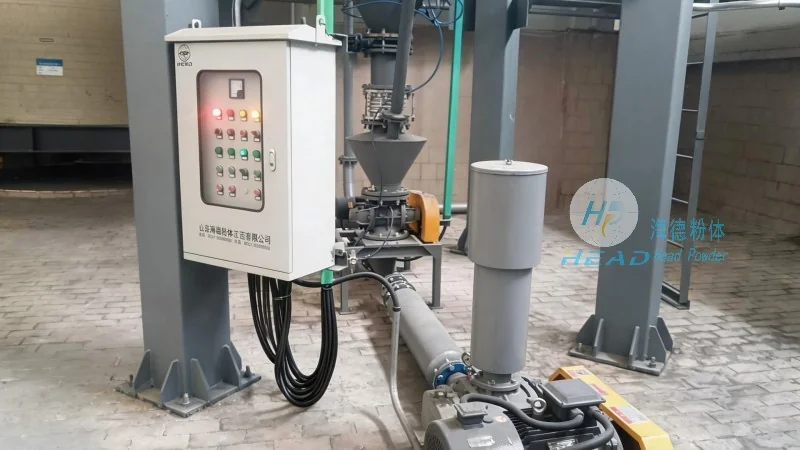
Key Design Parameters for Preventing Pipeline Blockages
Several critical design parameters must be considered to mitigate the risk of blockages in pneumatic conveying systems for polypropylene resin powder. These parameters include:

- System Pressure and Flow Rate: Maintaining appropriate pressure and flow rates is fundamental. Excessive pressure can cause material to accelerate too quickly, potentially leading to particle separation and blockages, while insufficient pressure may result in poor flow and stagnation. The optimal pressure and flow rate are determined based on the material's properties and the pipeline length.
- Pipeline Sizing and Material: The diameter and material of the pipeline are crucial. Larger diameter pipelines reduce the risk of particle accumulation and blockages, as they allow for better material dispersion. Additionally, using corrosion-resistant materials like stainless steel or special coatings can prevent material adhesion to the pipe walls.
- Conveying Air Quality and Filtration: The quality of the conveying air is vital. Contaminants such as moisture, dust, or oil can affect the material's flow characteristics and increase the likelihood of blockages. Implementing effective filtration systems to remove impurities from the air ensures a cleaner conveying environment.
- Material Conditioning and Pre-treatment: Pre-treating the polypropylene resin powder, such as by drying or adding anti-caking agents, can improve its flowability and reduce the risk of agglomeration. This step is particularly important for materials with high moisture content or tendency to stick together.
- System Layout and Bends: The design of the pipeline layout, including the number and angle of bends, impacts material flow. Sharp bends can cause particle separation and blockages, while gradual bends and appropriate spacing help maintain a uniform flow. Properly sized and positioned bends are essential to prevent material buildup.
Role of HeadPowder Engineering in Designing Reliable Pneumatic Conveying Systems
Shandong HeadPowder Engineering Co., Ltd., a leading provider of pneumatic conveying solutions, specializes in designing systems tailored to the unique requirements of polypropylene resin powder applications. With years of experience in the industry, HeadPowder engineers work closely with clients to assess material properties, operational conditions, and specific production needs. By integrating the key design parameters discussed above, HeadPowder ensures that the pneumatic conveying systems they develop are optimized to prevent blockages and deliver consistent performance.
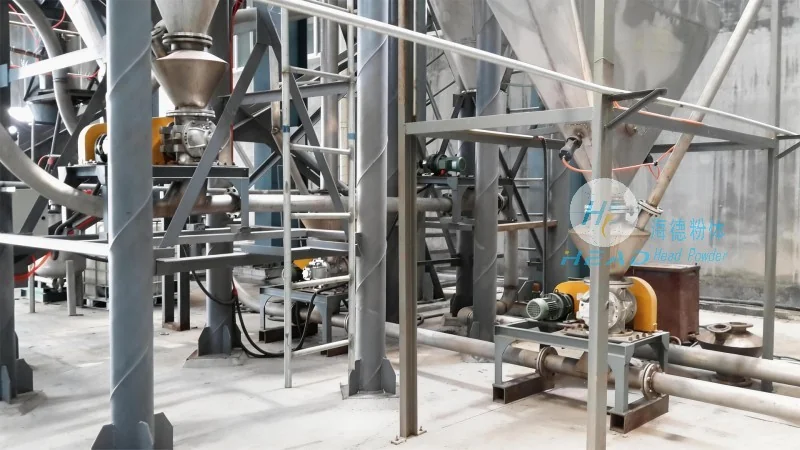
Conclusion: Ensuring Efficient and Reliable Polypropylene Resin Powder Transport
Preventing pipeline blockages in pneumatic conveying systems for polypropylene resin powder requires a comprehensive approach that considers material characteristics, system design, and operational parameters. By focusing on critical design elements such as pressure management, pipeline sizing, air quality, and material conditioning, organizations can minimize the risk of blockages and maintain smooth material flow. Shandong HeadPowder Engineering Co., Ltd. stands ready to provide expert solutions that address these challenges, ensuring reliable and efficient transport of polypropylene resin powder for industrial applications.