

How to Prevent Pipeline Blockages in Pneumatic Conveying Systems for Lithium-Ion Battery Material Ha
For manufacturers in the lithium-ion battery industry, efficient material handling is crucial to maintaining production line stability and reducing downtime. Pneumatic conveying systems are widely used for transporting powders and granules, but they are susceptible to blockages, which can lead to significant operational disruptions. This article explores effective strategies to prevent pipeline blockages in pneumatic conveying systems specifically designed for lithium-ion battery materials and highlights the critical design parameters that contribute to system reliability, with insights from Shandong HeadPowder Engineering Co., Ltd., a leading provider of pneumatic conveying solutions.
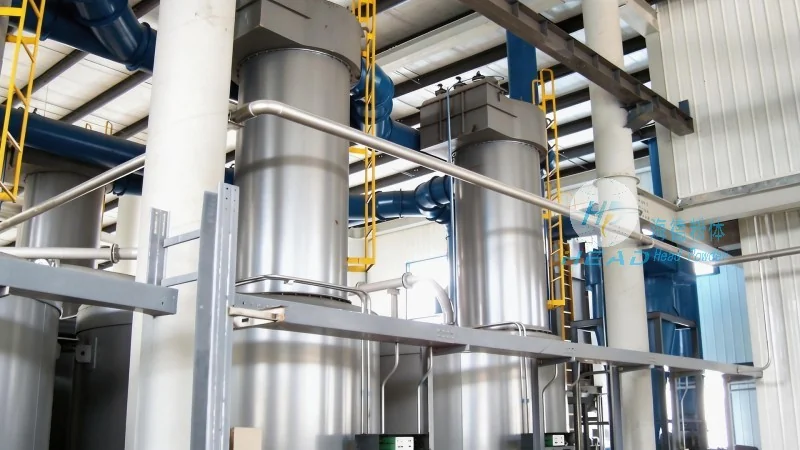
Understanding the Challenges of Lithium-Ion Battery Material Handling
Lithium-ion battery materials, such as lithium carbonate, lithium hydroxide, and various cathode and anode powders, often present unique challenges during transport. These materials can be abrasive, hygroscopic, or have variable particle sizes, which can affect flow characteristics and increase the risk of agglomeration or caking within the conveying line. Additionally, the high purity requirements for battery materials necessitate clean and controlled handling processes to avoid contamination. Therefore, the design of a pneumatic conveying system must address these specific material properties to ensure smooth operation and prevent blockages.
Key Design Parameters for Preventing Pipeline Blockages
Several key design parameters are essential in preventing pipeline blockages in pneumatic conveying systems for lithium-ion battery materials. These parameters are carefully selected to optimize the system's performance and minimize the risk of clogs. The primary design considerations include:
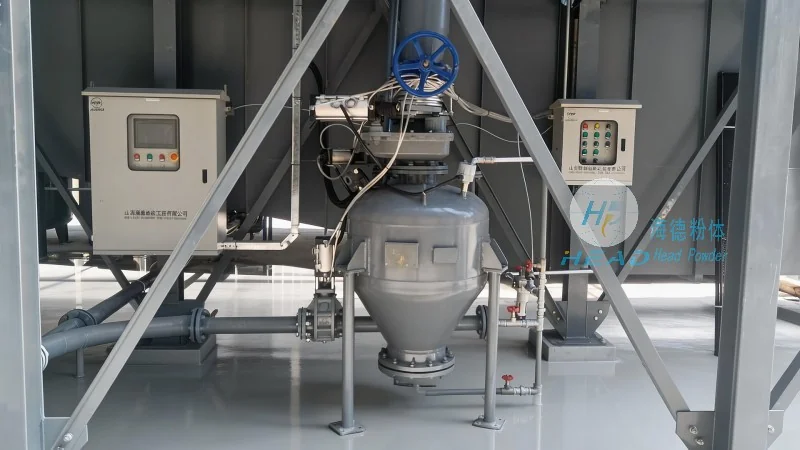
1. Airflow Velocity and Pressure
Optimizing airflow velocity and pressure is fundamental to preventing blockages. Insufficient airflow can lead to material settling and agglomeration, while excessive pressure may cause wear on components and increase energy consumption. For lithium-ion battery materials, a balanced airflow velocity is typically maintained between 20-30 m/s, ensuring that particles are fully suspended and transported without causing pressure drops that could lead to clogs. The system's pressure control mechanisms, including variable frequency drives (VFDs) and pressure sensors, play a critical role in maintaining consistent airflow and preventing pressure spikes that contribute to blockages.
2. Conveying Line Sizing and Material of Construction
The diameter and material of the conveying line are critical factors in preventing blockages. Larger diameter lines reduce the risk of particle accumulation and allow for smoother material flow, especially for cohesive or abrasive materials. For lithium-ion battery powders, stainless steel or corrosion-resistant materials are commonly used for the conveying line to prevent material adhesion and ensure easy cleaning. The line's smooth interior surface is also essential to minimize friction and prevent material buildup. Proper line sizing, often determined by the material's bulk density and flow characteristics, ensures that the system operates within optimal parameters to avoid blockages.
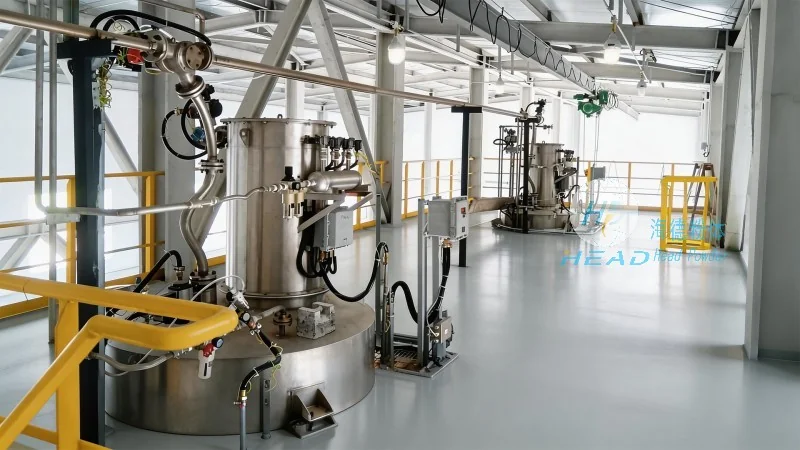
3. Solids Loading Ratio
The solids loading ratio, which is the ratio of solid material to air volume, directly impacts the risk of blockages. A higher solids loading ratio increases the likelihood of material agglomeration and clogging, as the particles have less space to move freely. For lithium-ion battery materials, a solids loading ratio of 0.1 to 0.2 is typically recommended to maintain a stable flow and prevent blockages. This ratio is carefully controlled by the system's feed mechanisms, which regulate the amount of material introduced into the conveying line at a consistent rate. Proper control of the solids loading ratio ensures that the system operates efficiently and reduces the risk of clogs.
4. Inlet and Outlet Design
The design of the inlet and outlet components significantly affects the risk of blockages. A properly designed inlet ensures that material is introduced smoothly into the conveying line without creating turbulence or pockets that can lead to agglomeration. For lithium-ion battery materials, a venturi or rotary valve inlet is often used to create a consistent flow and prevent material buildup at the entry point. The outlet design, including the discharge hopper and associated equipment, must also be optimized to prevent material accumulation and ensure smooth discharge. Properly sized and positioned outlet components help maintain the system's flow and reduce the risk of blockages.
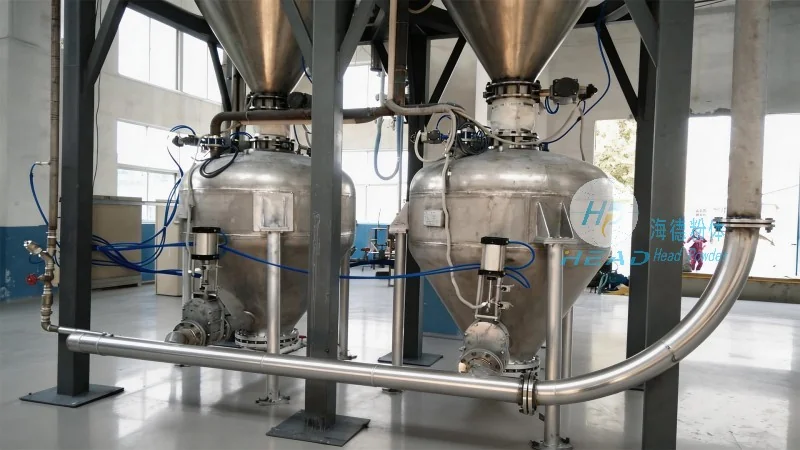
System Integration and Maintenance Practices
While design parameters are crucial, effective system integration and maintenance practices are equally important in preventing pipeline blockages. Regular inspection and cleaning of the conveying line, especially in areas prone to material buildup, are essential to maintain system performance. For lithium-ion battery materials, which may have high purity requirements, cleaning procedures must be thorough and avoid cross-contamination. Additionally, monitoring the system's performance through pressure sensors and flow meters allows operators to detect potential issues early and take corrective action before blockages occur. Proper maintenance schedules, including component replacement and system calibration, ensure that the pneumatic conveying system operates at peak efficiency and minimizes downtime.
Conclusion
Preventing pipeline blockages in pneumatic conveying systems for lithium-ion battery materials requires a combination of careful design and effective operational practices. By optimizing airflow velocity and pressure, selecting appropriate line sizing and materials, controlling the solids loading ratio, and designing effective inlet and outlet components, manufacturers can significantly reduce the risk of blockages and maintain production line stability. Additionally, implementing regular maintenance and monitoring practices ensures that the system operates efficiently and reliably. For companies in the lithium-ion battery industry, investing in a well-designed pneumatic conveying system with these key parameters in mind is essential to achieve high productivity and minimize operational disruptions.