

Application and Optimization of Pneumatic Conveying Technology in the Design of Polytetrafluoroethyl
Polymers like polytetrafluoroethylene (PTFE), known for their exceptional chemical resistance, low friction, and thermal stability, present unique challenges in material handling due to their fine particle size and cohesive properties. Traditional bulk material handling methods often struggle with PTFE, leading to issues such as dust generation, equipment wear, and inefficient processing. Pneumatic conveying technology offers a solution by enabling the transport of PTFE powders and granules through a pressurized air system, providing a clean, dust-free, and efficient method for industrial applications.
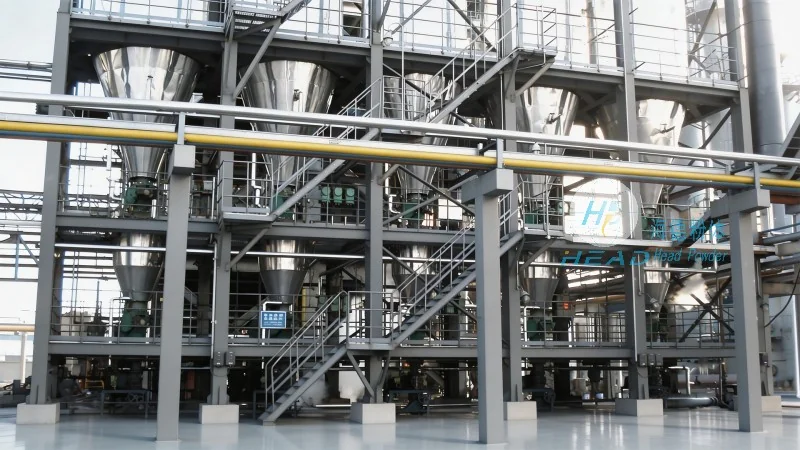
Understanding PTFE Material Characteristics and Handling Challenges
Polytetrafluoroethylene (PTFE) is a high-performance fluoropolymer widely used in aerospace, electronics, and chemical industries due to its superior performance under extreme conditions. However, its fine particle size (often in the range of microns to sub-micron) and high surface energy make it prone to agglomeration and dust formation. Conventional methods like bucket elevators or belt conveyors may cause material degradation, increased maintenance costs, and environmental contamination. Pneumatic conveying addresses these challenges by utilizing air as the conveying medium, which minimizes direct contact between the material and equipment, reducing wear and preserving material integrity.
HeadPowder's Pneumatic Conveying Solutions for PTFE Processing
Shandong HeadPowder Engineering Co., Ltd., a leading provider of bulk material handling solutions, specializes in designing and implementing pneumatic conveying systems tailored for PTFE applications. With decades of experience in the field, HeadPowder leverages advanced engineering principles to optimize material flow, ensure product purity, and enhance operational efficiency. The company’s solutions are engineered to handle PTFE powders and granules with precision, addressing the specific challenges associated with this high-value material.
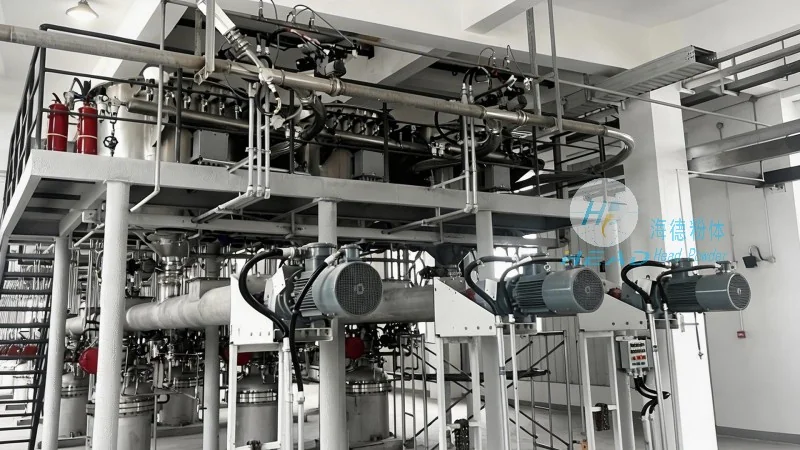
Key Features of Pneumatic Conveying Systems for PTFE
The pneumatic conveying systems designed by HeadPowder for PTFE processing incorporate several critical features to ensure optimal performance. These include: positive pressure or negative pressure conveying modes to control material flow direction and pressure; high-efficiency cyclone separators to separate PTFE particles from air, minimizing dust emissions and ensuring product cleanliness; flexible hose or rigid pipe systems that can be customized to fit the layout of production facilities; and advanced control systems that monitor and adjust conveying parameters in real-time, optimizing energy consumption and material throughput.
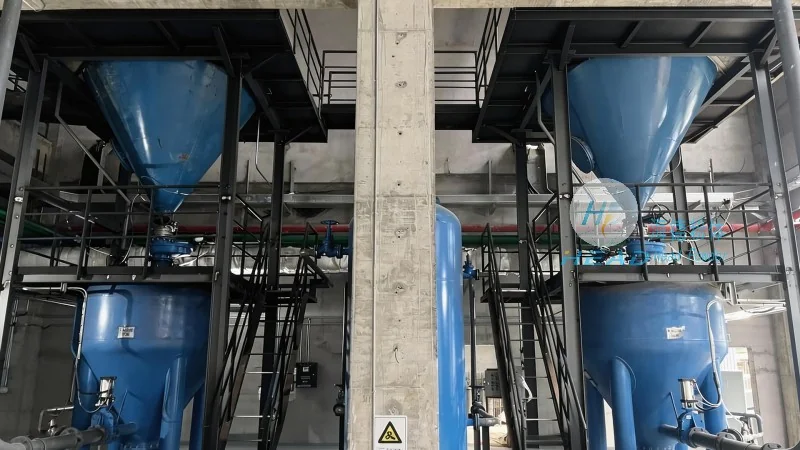
Application Examples and Case Studies
HeadPowder has successfully implemented pneumatic conveying systems for PTFE processing in various industrial settings. For instance, in a PTFE manufacturing plant, the company designed a positive pressure conveying system that transports fine PTFE powders from storage silos to processing equipment, reducing dust generation by 90% and increasing production throughput by 25%. Another application involved integrating a pneumatic conveying system with a PTFE extrusion line, where the system efficiently delivered granules to the extruder, improving material consistency and reducing downtime. These case studies demonstrate the effectiveness of HeadPowder's solutions in enhancing PTFE material handling efficiency and product quality.
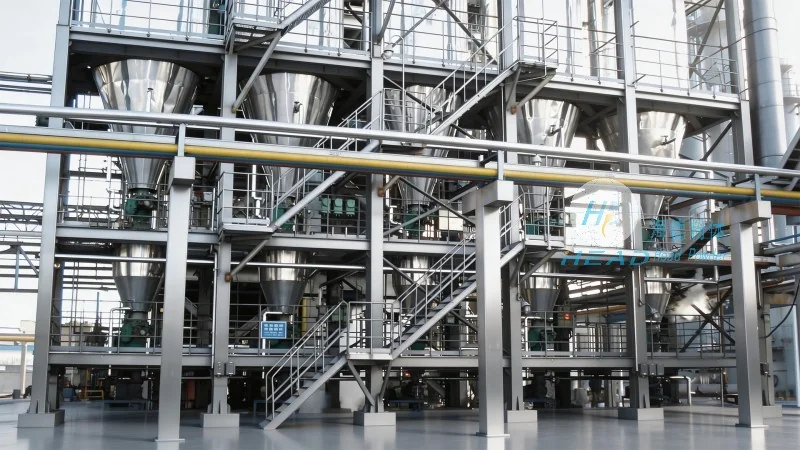
Optimization Strategies for PTFE Pneumatic Conveying
Optimizing pneumatic conveying systems for PTFE requires careful consideration of several factors to maximize performance and minimize operational costs. HeadPowder employs a systematic approach to optimization, including: material flow rate analysis to determine the appropriate air velocity and pressure for PTFE particles; system pressure drop calculations to ensure sufficient energy for conveying while minimizing energy consumption; equipment selection based on PTFE properties, such as choosing materials of construction that resist PTFE's chemical and thermal effects; and regular maintenance protocols to prevent system degradation and ensure long-term reliability. By addressing these factors, HeadPowder's optimized systems deliver consistent performance and extended service life.
Conclusion and Company Profile
Pneumatic conveying technology plays a crucial role in the efficient and safe handling of polytetrafluoroethylene (PTFE) materials. Shandong HeadPowder Engineering Co., Ltd. specializes in designing and implementing advanced pneumatic conveying systems tailored to the unique challenges of PTFE processing. With a focus on product purity, operational efficiency, and long-term reliability, HeadPowder provides customized solutions that meet the specific needs of industrial clients. Based in Shandong, China, HeadPowder leverages its expertise and engineering capabilities to deliver high-quality pneumatic conveying systems that enhance PTFE material handling processes across various industries.