

Efficient Pneumatic Conveying Systems for Solving Lightweight Cement Transport Challenges
Lightweight cement, characterized by its low density and fine particle structure, poses significant challenges during material handling and transportation. Traditional methods such as belt conveyors or bucket elevators often encounter issues like material segregation, dust generation, and operational inefficiencies when dealing with this type of cement. Pneumatic conveying systems, however, provide a sophisticated and effective solution to overcome these challenges. By utilizing air pressure to transport materials, these systems deliver a clean, dust-free, and highly efficient method for moving lightweight cement from storage to processing or packaging areas.
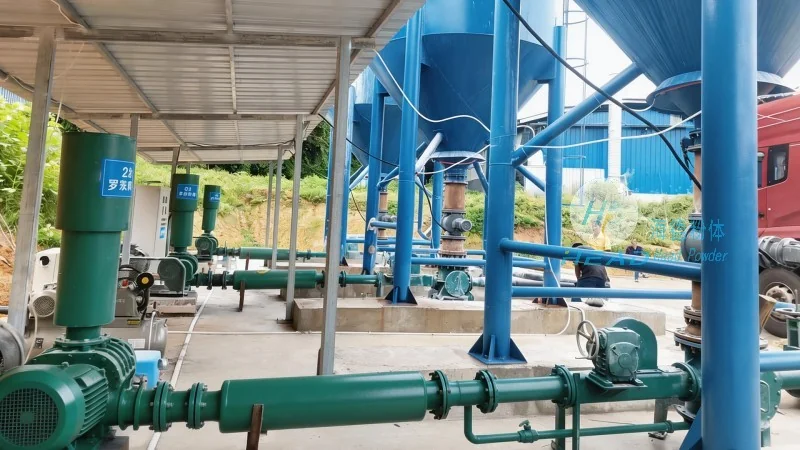
About HeadPowder: Experts in Pneumatic Conveying Technology
HeadPowder, a leading provider of industrial material handling solutions, specializes in designing and manufacturing advanced pneumatic conveying systems tailored to the specific needs of the cement industry. With a focus on innovation and precision engineering, HeadPowder has established itself as a trusted partner for companies seeking reliable and efficient solutions for transporting lightweight cement. The company’s expertise lies in understanding the unique properties of different cement types and developing customized systems that ensure optimal performance, minimal downtime, and cost-effective operation.
Key Advantages of Pneumatic Conveying Systems for Lightweight Cement
One of the primary advantages of pneumatic conveying systems is their ability to handle fine, low-density materials like lightweight cement without causing particle degradation or segregation. Unlike mechanical conveyors that can lead to material breakdown or separation based on particle size and density, pneumatic systems maintain the integrity of the cement particles throughout the transport process. This is crucial for preserving the quality and consistency of the final product, as lightweight cement is often used in applications where uniformity is critical.
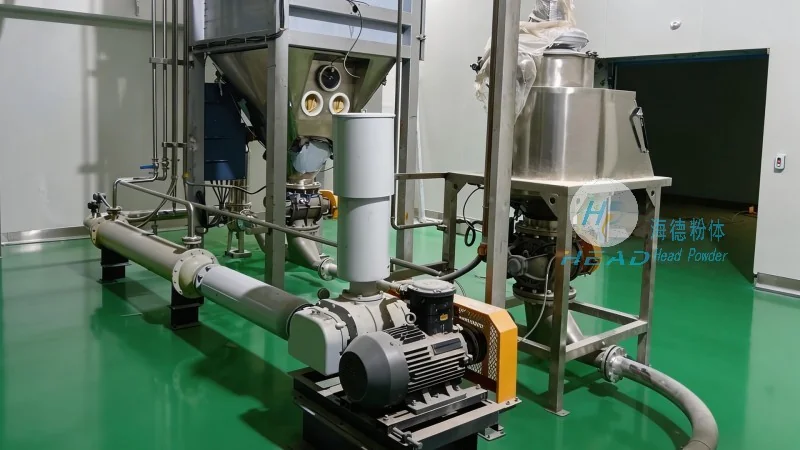
Another significant benefit is the dust control and environmental friendliness of pneumatic conveying. By transporting materials in a sealed system with filtered air, these systems minimize dust emissions, creating a safer and more compliant working environment. This is particularly important in industries where air quality regulations are stringent, as lightweight cement can generate substantial dust during handling. Additionally, the enclosed nature of pneumatic systems reduces the risk of material contamination, ensuring that the cement remains pure and free from external pollutants.
Efficiency and flexibility are also key advantages. Pneumatic conveying systems can be configured to handle varying flow rates and distances, making them suitable for both small-scale and large-scale operations. They can be integrated with existing infrastructure or designed as standalone systems, providing flexibility in installation and operation. The systems also offer quick start-up and shutdown capabilities, allowing for efficient scheduling and minimizing downtime during maintenance or production changes.
System Components and Applications
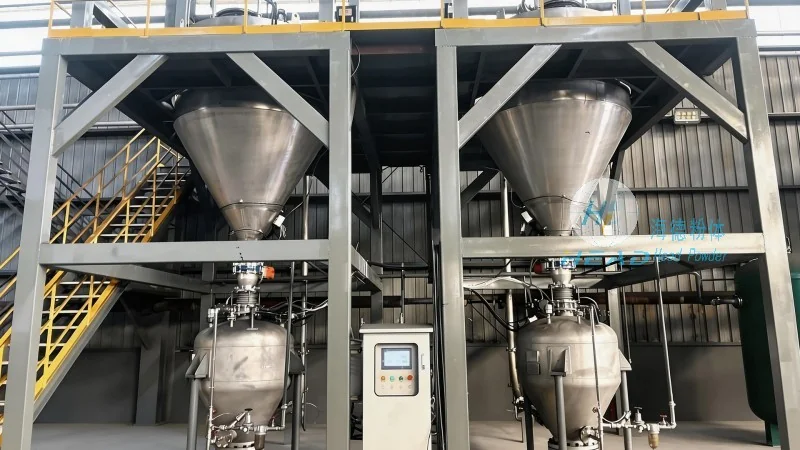
Pneumatic conveying systems typically consist of several key components, including a hopper for material storage, a conveyor line (either positive or negative pressure), a filter system to capture and recycle air, and a control panel for monitoring and adjusting system parameters. For lightweight cement, positive pressure systems are often preferred as they can handle the low density of the material more effectively, ensuring consistent flow and preventing material buildup in the system.
These systems are widely used in various stages of the cement production and processing cycle. From raw material handling and storage to finished product packaging, pneumatic conveying systems can be integrated into existing workflows to enhance efficiency. For example, in a cement plant, a pneumatic system can be used to transport lightweight cement from the storage silo to the mixing or grinding units, ensuring a continuous and controlled supply of material. In packaging facilities, the system can transport the cement from the processing line to the packaging machines, maintaining a steady flow and reducing manual handling requirements.

HeadPowder: Your Trusted Partner for Pneumatic Conveying Solutions
Shandong HeadPowder Engineering Co., Ltd., based in Shandong, China, is committed to delivering high-quality, reliable pneumatic conveying systems that meet the demanding requirements of the cement industry. With years of experience and a team of skilled engineers, HeadPowder provides comprehensive solutions that address the unique challenges of lightweight cement transport. The company’s products are designed with durability, efficiency, and safety in mind, ensuring long-term performance and minimal maintenance costs.
HeadPowder’s approach to customer service and support is also a key differentiator. The company offers comprehensive technical support, including system design assistance, installation guidance, and ongoing maintenance services. This ensures that clients can rely on their pneumatic conveying systems to operate at peak performance, minimizing disruptions and maximizing productivity. By partnering with HeadPowder, cement manufacturers can enhance their operational efficiency, improve product quality, and reduce overall handling costs.