

Preventing Dust Leakage in Pneumatic Conveying Systems for Ceramic Powder Transport
When it comes to handling ceramic powder in industrial settings, the choice of material transport system is critical. Pneumatic conveying systems have become a preferred solution due to their efficiency and ability to handle fine powders like ceramic powder. However, a common challenge in such systems is the risk of dust leakage, which can lead to operational inefficiencies, health hazards, and environmental concerns. This article explores effective strategies to prevent dust leakage in pneumatic conveying systems specifically when transporting ceramic powder, while highlighting the expertise of Shandong HeadPowder Engineering Co., Ltd. as a leading provider in this field.
Understanding Pneumatic Conveying Systems for Ceramic Powder
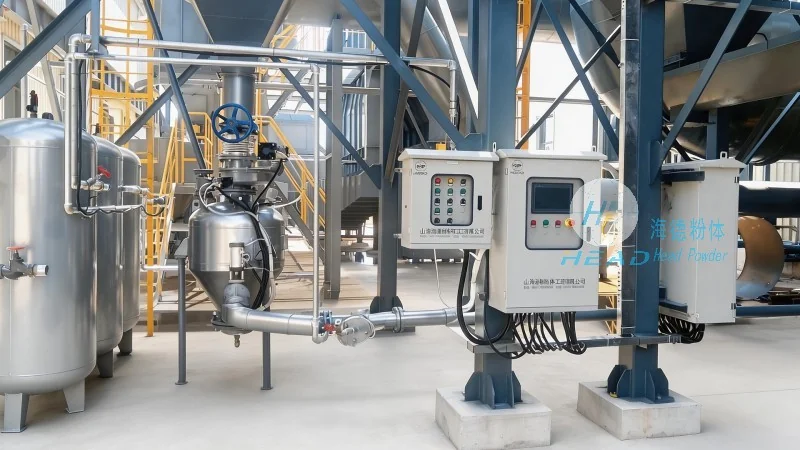
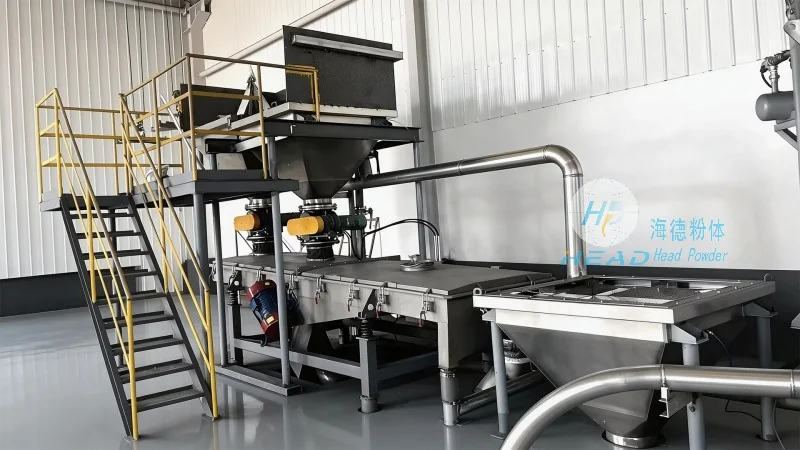
Pneumatic conveying systems utilize air or other gases to transport bulk materials through a pipeline network. In the case of ceramic powder, these systems are designed to move the fine particles from one location to another, often with high precision and minimal product degradation. The primary components of such a system typically include a material feed hopper, a conveying line, a separation unit, and a discharge outlet. The system operates by creating a pressure differential, either through positive or negative pressure, to move the powder along the pipeline. While effective, these systems are susceptible to dust leakage at various points, including the feed hopper, pipeline joints, and discharge points.
The Risks of Dust Leakage in Ceramic Powder Conveying
Dust leakage from pneumatic conveying systems handling ceramic powder poses several significant risks. Firstly, it can lead to product loss, as fine particles escape into the environment, reducing the overall yield of the material. Secondly, there are health and safety implications, as ceramic dust can be harmful when inhaled, posing respiratory risks to workers. Thirdly, environmental regulations often impose strict limits on dust emissions, making it essential for industries to implement effective dust control measures. Lastly, dust leakage can also cause operational issues such as clogging in the system or reduced efficiency over time, leading to increased maintenance costs.
Key Strategies to Prevent Dust Leakage in Ceramic Powder Conveying
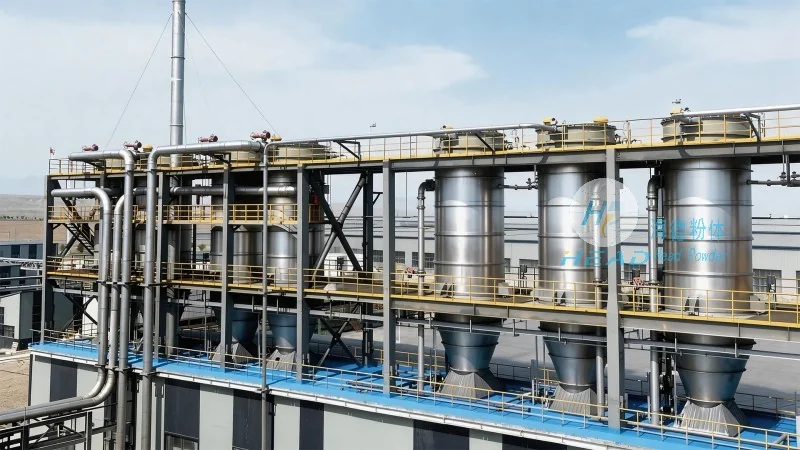
Preventing dust leakage in pneumatic conveying systems for ceramic powder requires a multi-faceted approach that addresses both the system design and operational practices. Shandong HeadPowder Engineering Co., Ltd. emphasizes several key strategies to ensure effective dust control. Firstly, proper sealing of all system components is crucial. This includes using high-quality gaskets and seals at the feed hopper, pipeline connections, and discharge points to prevent air and powder from escaping. Secondly, maintaining consistent air pressure and flow rates is essential. Fluctuations in pressure can cause pressure differentials that lead to leakage. Regular monitoring and adjustment of the system's pressure settings help maintain optimal conditions. Thirdly, implementing effective dust collection systems, such as cyclone separators or bag filters, can capture any escaped particles, reducing the overall dust emission. Additionally, using appropriate materials for the system components, such as corrosion-resistant and wear-resistant materials, can enhance the system's durability and reduce the risk of leaks over time.
Role of Shandong HeadPowder Engineering Co., Ltd. in Dust Control Solutions
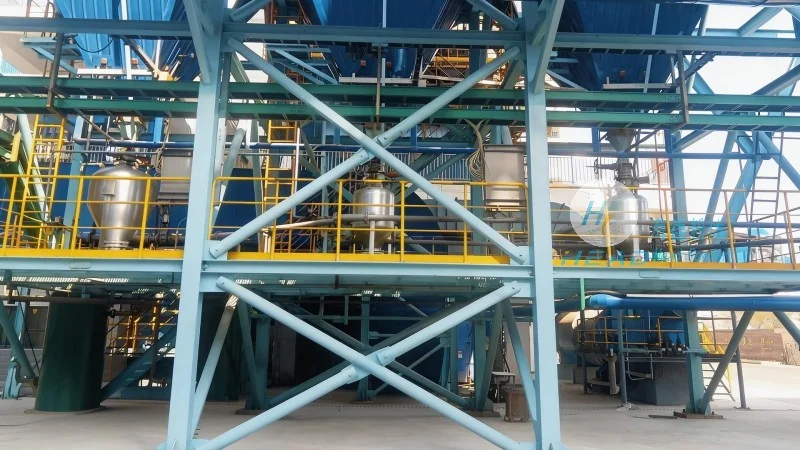
As a leading provider in the field, Shandong HeadPowder Engineering Co., Ltd. specializes in designing and manufacturing pneumatic conveying systems tailored to the specific needs of ceramic powder handling. The company's expertise lies in integrating advanced sealing technologies and dust control mechanisms into their systems. By leveraging years of experience in the industry, HeadPowder engineers develop customized solutions that address the unique challenges of ceramic powder transport. Their systems are equipped with high-performance seals, efficient dust collection units, and robust material handling components, ensuring minimal dust leakage and optimal operational performance. The company also provides comprehensive support, including installation, maintenance, and technical guidance, to help clients maintain their systems in optimal condition and comply with environmental regulations.
Conclusion and Recommendations
Preventing dust leakage in pneumatic conveying systems for ceramic powder is a critical aspect of efficient and safe material handling. By implementing proper sealing techniques, maintaining consistent system operation, and utilizing effective dust collection methods, industries can significantly reduce the risks associated with dust leakage. Shandong HeadPowder Engineering Co., Ltd. stands out as a reliable partner in providing advanced pneumatic conveying solutions that prioritize dust control and operational efficiency. For businesses looking to enhance their ceramic powder transport systems and minimize dust leakage, collaborating with HeadPowder can offer tailored solutions that meet both technical and regulatory requirements.