

Preventing Dust Leakage in Pneumatic Conveying Systems When Transporting Dry Sand
When operating pneumatic conveying systems, especially for transporting dry materials like sand, managing dust leakage is a critical concern. Proper design and maintenance of the system are essential to ensure efficient operation and compliance with safety standards. This article will explore effective strategies to prevent dust leakage in pneumatic conveying systems during dry sand transport.
Understanding Pneumatic Conveying Systems for Dry Sand
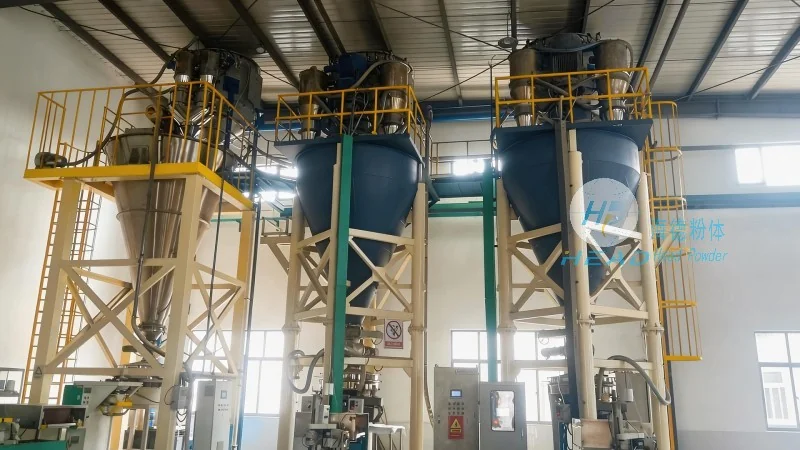
Pneumatic conveying systems use air pressure to move dry bulk materials through pipelines. For dry sand, these systems are commonly employed due to their ability to transport materials over long distances without the need for mechanical components like conveyor belts or buckets. However, the dry nature of sand can lead to significant dust generation, which may escape from the system if not properly contained. The key to preventing dust leakage lies in understanding the system's components and their roles in maintaining a sealed environment.
Key Components and Their Roles in Dust Control
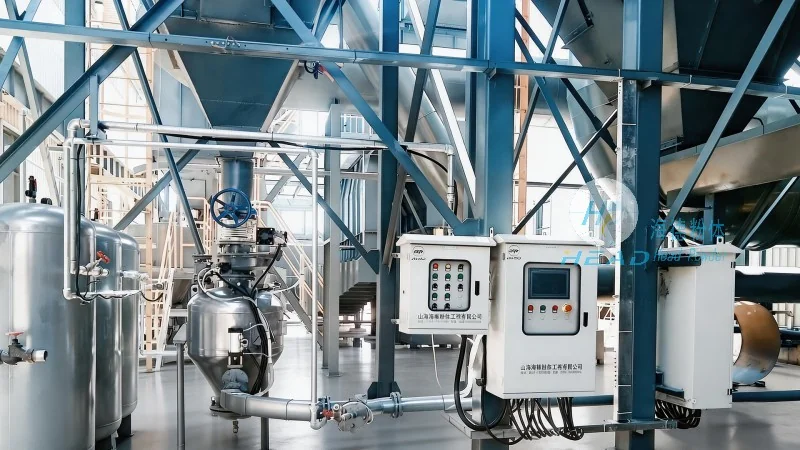
Several components are integral to a pneumatic conveying system designed to minimize dust leakage. The hopper or feed bin, where the dry sand is loaded, must be equipped with a tight-fitting lid and a dust collection system. The material feed mechanism, such as a rotary valve or screw feeder, should be designed to prevent material from escaping into the air. The pipeline itself must be sealed at all joints and connections to avoid air or material leakage. Additionally, the discharge point of the system, where the sand is released, should be equipped with a dust collection or containment device to capture any escaping particles.
Strategies for Preventing Dust Leakage
Implementing the following strategies can significantly reduce or eliminate dust leakage in pneumatic conveying systems for dry sand:
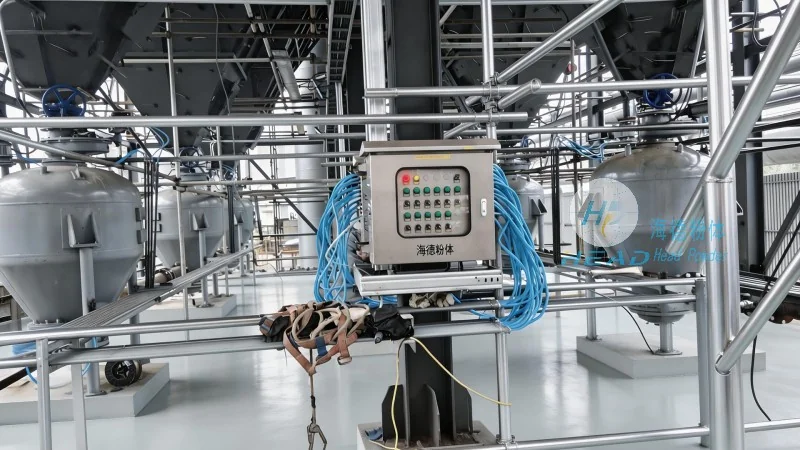
- Proper Sealing of Hoppers and Feeders: Ensuring that the hoppers and feeders are tightly sealed with appropriate gaskets or seals prevents material from spilling out and creating dust. Regular inspection and maintenance of these seals are crucial to maintain their effectiveness.
- Use of High-Quality Pipeline Materials: Using materials like stainless steel or coated pipes that are resistant to wear and corrosion helps maintain the integrity of the system. Corrosion or wear can lead to cracks or gaps in the pipeline, allowing dust to escape.
- Installation of Dust Collection Systems: Integrating a dust collection system, such as a baghouse or cyclone separator, at the discharge point or along the pipeline can capture any escaping dust particles. This not only prevents dust leakage but also improves air quality in the workplace.
- Regular Maintenance and Inspection: Conducting routine maintenance, including checking for loose fittings, damaged seals, or worn components, helps identify and address issues before they lead to significant dust leakage. Regular cleaning of the system can also prevent the buildup of dust that may cause blockages or leaks.
Case Study: Successful Implementation by Shandong HeadPowder Engineering Co., Ltd.
Shandong HeadPowder Engineering Co., Ltd., a leading provider of pneumatic conveying solutions, has successfully implemented dust leakage prevention strategies in numerous projects. By focusing on robust system design and meticulous maintenance, they have helped clients achieve efficient dry sand transport while minimizing environmental impact and ensuring workplace safety. Their expertise in material handling and dust control has made them a trusted partner in the industry.
Conclusion and Recommendations
Preventing dust leakage in pneumatic conveying systems when transporting dry sand requires a combination of proper system design, high-quality components, and regular maintenance. By implementing the strategies outlined above, operators can ensure the efficient and safe operation of their systems while complying with environmental and safety regulations. For those seeking reliable pneumatic conveying solutions, Shandong HeadPowder Engineering Co., Ltd. offers professional services and products tailored to meet the specific needs of dry sand transport applications.