

Preventing Dust Leakage in Pneumatic Conveying Systems for PP Pellets
When it comes to handling polypropylene (PP) pellets in industrial settings, the choice of material handling equipment is critical. Pneumatic conveying systems offer an efficient solution for transporting these lightweight, free-flowing materials. However, a common challenge in such operations is the risk of dust leakage, which can lead to operational inefficiencies, health hazards, and environmental concerns. This article explores effective strategies and best practices for preventing dust leakage in pneumatic conveying systems specifically designed for PP pellets, with insights from industry experts at Shandong HeadPowder Engineering Co., Ltd.

Understanding the Challenges of PP Pellet Handling
PP pellets are known for their low density and tendency to generate fine particles during handling. In pneumatic conveying systems, these particles can become airborne, leading to dust leakage at various points such as the inlet, outlet, and transfer points. The consequences of uncontrolled dust leakage include reduced material quality, increased maintenance costs, and potential safety risks for personnel. Therefore, implementing robust dust control measures is essential to ensure the smooth operation of PP pellet conveying systems.
Key Components for Dust Prevention in Pneumatic Conveying
Shandong HeadPowder Engineering Co., Ltd. specializes in designing and manufacturing advanced pneumatic conveying solutions tailored to the unique properties of PP pellets. Their systems incorporate several key components that contribute to effective dust control:
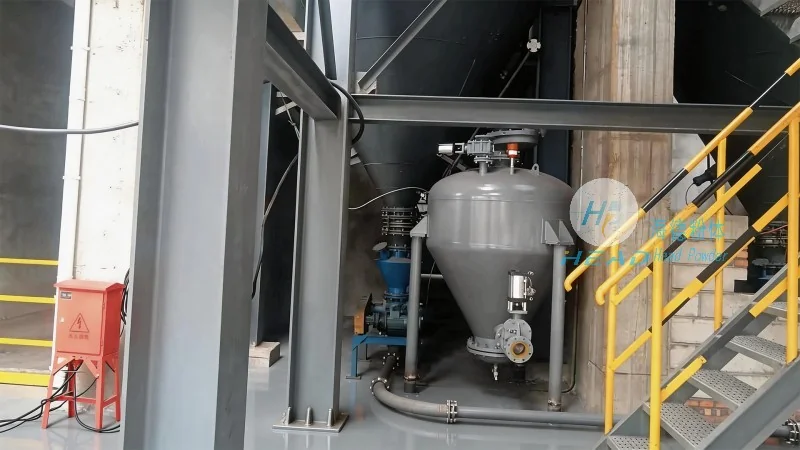
1. Sealed Inlet and Outlet Hoppers: These components are engineered to maintain a positive pressure environment, preventing external air from entering and carrying dust particles out. The hoppers are typically equipped with airtight seals and adjustable valves to regulate material flow while minimizing leakage.
2. High-Efficiency Filters: The conveying system includes advanced filtration systems that capture fine PP dust particles before they are released into the environment. These filters are designed to handle the specific characteristics of PP particles, ensuring high filtration efficiency and long service life.
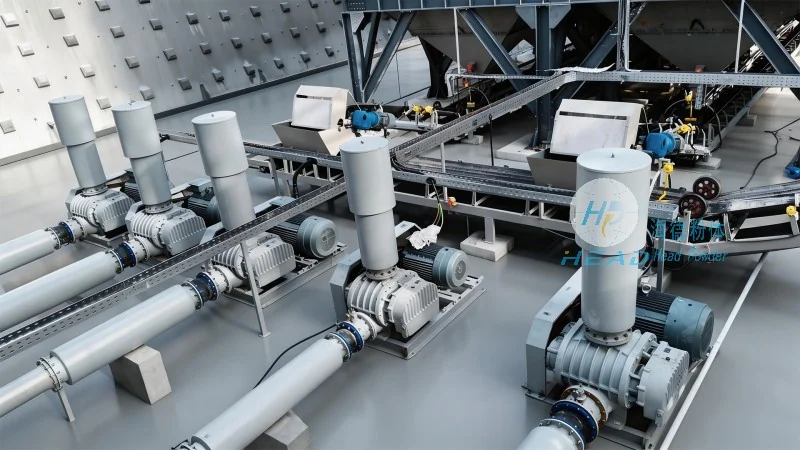
3. Material Handling Valves: Specialized valves, such as rotary airlocks and slide gates, are used to control the flow of PP pellets. These valves are designed with tight sealing mechanisms to prevent dust leakage at the transfer points. The design of these valves minimizes the exposure of material to the air, reducing the risk of dust generation.
4. Pressure and Vacuum Control Systems: Precise control of pressure and vacuum levels within the conveying system is crucial. By maintaining optimal pressure differentials, the system can operate efficiently while preventing excessive air leakage that could carry dust particles.
Best Practices for Maintaining Dust-Free Conveying Systems
While advanced components are essential, regular maintenance and operational best practices are equally important for sustained dust control. Shandong HeadPowder Engineering Co., Ltd. recommends the following practices:
1. Regular Filter Maintenance: Filters should be inspected and cleaned or replaced regularly to ensure they maintain their filtration efficiency. Clogged or worn-out filters can compromise dust control and reduce system performance.
2. Proper System Sizing: Ensuring the pneumatic conveying system is appropriately sized for the volume and characteristics of the PP pellets is critical. An undersized system may lead to excessive pressure differentials, increasing the risk of dust leakage.
3. Seal Inspection and Repair: Regularly checking all seals, including those on hoppers, valves, and piping, is vital. Any signs of wear or damage should be addressed promptly to prevent dust leakage.
4. Training and Operational Procedures: Proper training of operators on the correct operation of the conveying system and adherence to standard operating procedures can help minimize human errors that may lead to dust leakage.
Conclusion: Ensuring Efficient and Safe PP Pellet Conveying
Preventing dust leakage in pneumatic conveying systems for PP pellets is a multifaceted challenge that requires a combination of advanced technology, proper design, and diligent maintenance. By implementing the strategies and best practices outlined above, industrial facilities can achieve efficient, safe, and environmentally responsible handling of PP pellets. Shandong HeadPowder Engineering Co., Ltd. remains committed to providing innovative solutions that address the specific needs of PP pellet handling, ensuring optimal performance and minimal dust leakage in their clients' operations.