

Choosing Positive Pressure vs. Negative Pressure for Bean Powder Conveying: How to Distinguish?
When it comes to transporting bean powder, selecting the right conveying method is crucial for efficiency, cost-effectiveness, and product integrity. Two primary approaches are widely used in the industry: positive pressure conveying and negative pressure conveying. Understanding the differences between these two systems is essential for making an informed decision that aligns with your operational needs. This article, presented by Shandong HeadPowder Engineering Co., Ltd. (headpowder), will explore the key characteristics of each method and provide guidance on how to choose the most suitable option for your bean powder handling requirements.
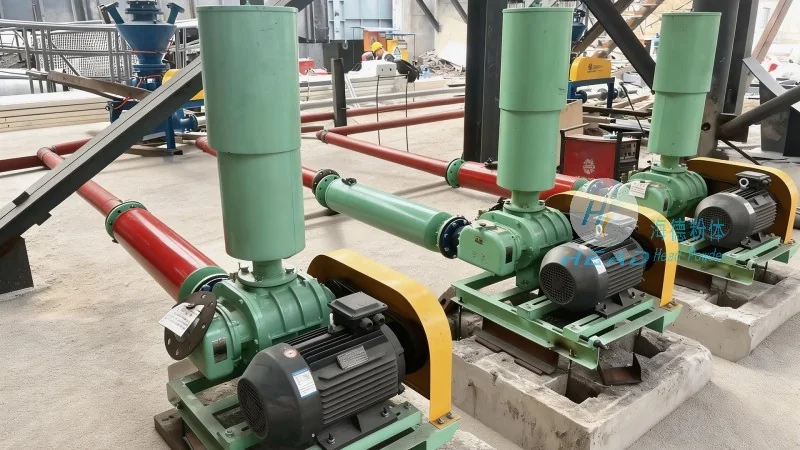
Understanding Positive Pressure Conveying
Positive pressure conveying systems operate by blowing air or gas into the material to move it through a pipeline. In this method, the material is forced forward by the pressure created by the air flow. This approach is often preferred for applications involving abrasive or sticky materials, as it minimizes material degradation and ensures consistent flow. The positive pressure system typically uses a blower or compressor to generate the necessary air pressure, which is then directed through the conveying line to transport the bean powder. The design of the system includes components such as a hopper, a rotary valve, and a pipeline network, all working together to ensure efficient material movement. Positive pressure conveying is particularly effective for long-distance or high-capacity applications, as it can maintain a steady flow rate even over extended distances.
Key Features of Positive Pressure Conveying
One of the main advantages of positive pressure conveying is its ability to handle a wide range of material properties. It can effectively transport materials with high moisture content, fine particles, or those that are prone to caking. The system is also relatively simple to install and maintain, as it does not require complex vacuum equipment. Additionally, positive pressure conveying can be easily integrated with other processing equipment, such as mixers or classifiers, to form a cohesive production line. However, it is important to note that positive pressure systems may require more energy compared to negative pressure systems, as they rely on the continuous operation of a blower or compressor. This can impact the overall operational costs, especially for large-scale operations.
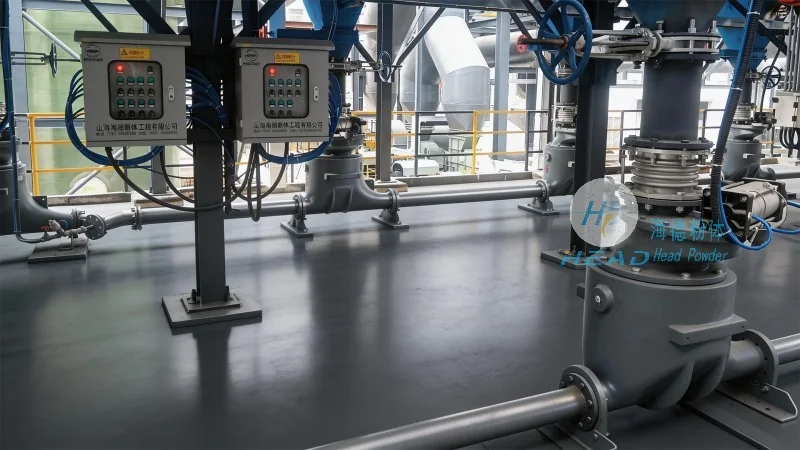
Understanding Negative Pressure Conveying
Negative pressure conveying, also known as vacuum conveying, operates by creating a vacuum in the pipeline to draw the material from the source into the system. The material is then transported through the pipeline by the pressure difference between the source and the receiver. This method is commonly used for applications that require gentle handling of the material, as it minimizes impact and abrasion. Negative pressure systems are particularly suitable for transporting delicate or valuable materials, such as high-quality bean powders that need to be preserved in their original state. The system typically includes a vacuum pump, a hopper, and a pipeline network, all working together to create the necessary suction force. The design of the system is focused on maintaining a low pressure environment to prevent material degradation and ensure a clean transfer process.
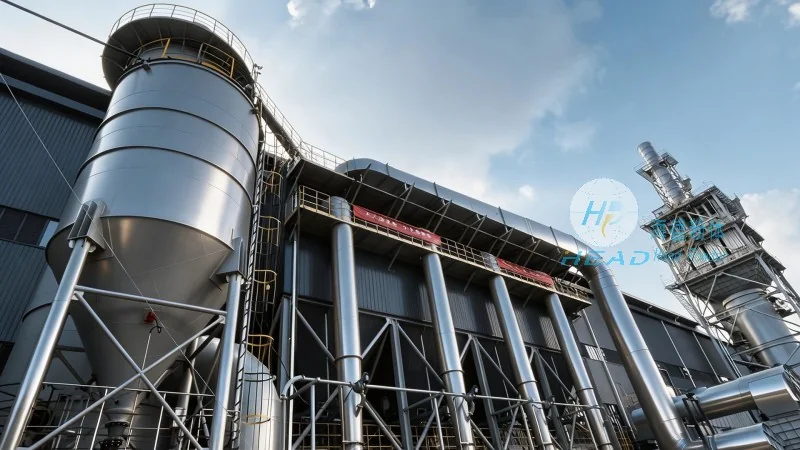
Key Features of Negative Pressure Conveying
One of the primary benefits of negative pressure conveying is its gentle handling of the material. The vacuum process reduces the risk of particle breakage or agglomeration, which is crucial for maintaining the quality of the bean powder. This method is also more energy-efficient compared to positive pressure systems, as it only requires the operation of a vacuum pump when material is being conveyed. This can lead to significant cost savings over time, especially for frequent or continuous operations. However, negative pressure systems may have limitations in terms of conveying distance and capacity. The suction force diminishes over longer distances, which can affect the flow rate and require additional equipment to maintain performance. Additionally, the system may be more complex to install and maintain, as it involves more components and requires careful alignment to ensure proper suction.
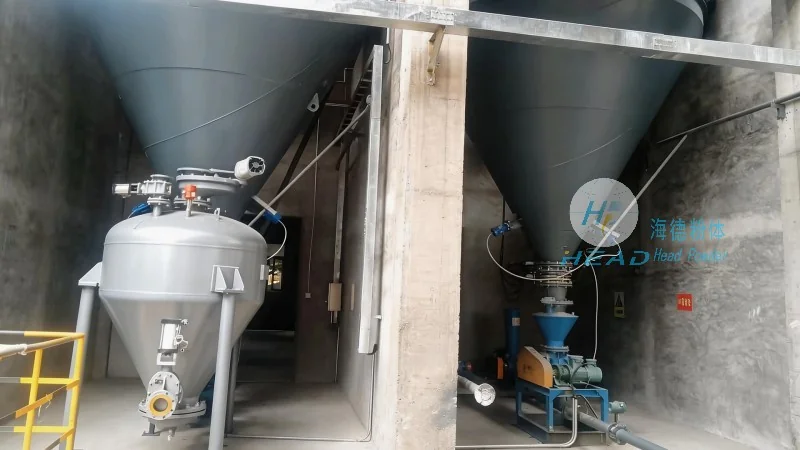
How to Distinguish Between the Two Methods
Choosing between positive pressure and negative pressure conveying depends on several factors, including the characteristics of the bean powder, the distance to be conveyed, and the operational requirements. To help you make the right decision, consider the following points:
- Material Properties: If your bean powder is abrasive, sticky, or has high moisture content, positive pressure conveying may be more suitable due to its ability to handle these challenges effectively. For delicate or high-value materials that require gentle handling, negative pressure conveying is often the better choice.
- Conveying Distance: Positive pressure systems are generally better for long-distance applications, as they can maintain a consistent flow rate over extended distances. Negative pressure systems are more suitable for shorter distances or when the material needs to be transported from multiple sources to a central location.
- Energy Consumption: If energy efficiency is a priority, negative pressure conveying may be preferred due to its lower operational costs. However, for applications where energy consumption is less of a concern, positive pressure systems can offer better performance and reliability.
- System Complexity and Maintenance: Positive pressure systems are typically simpler to install and maintain, as they do not require complex vacuum equipment. Negative pressure systems may require more maintenance and expertise to ensure proper operation, especially if the system is used frequently.
Conclusion
Both positive pressure and negative pressure conveying systems have their own advantages and are suitable for different applications in bean powder handling. By understanding the characteristics of each method and considering your specific operational needs, you can make an informed decision that maximizes efficiency and product quality. Whether you choose positive pressure or negative pressure conveying, the key is to select a system that aligns with your production goals and ensures the safe and effective transport of your bean powder.