

Choosing Between Positive Pressure and Negative Pressure for Limestone Powder Conveying: How to Dist
When it comes to transporting limestone powder, selecting the right conveying method is crucial for efficiency, cost-effectiveness, and operational safety. Two primary options are widely used in the industry: positive pressure conveying and negative pressure conveying. Understanding the differences between these two systems is essential for making an informed decision that aligns with specific operational needs. This article, produced by Shandong HeadPowder Engineering Co., Ltd., aims to provide a comprehensive guide to help you distinguish between positive and negative pressure conveying for limestone powder, ensuring you choose the most suitable solution for your application.
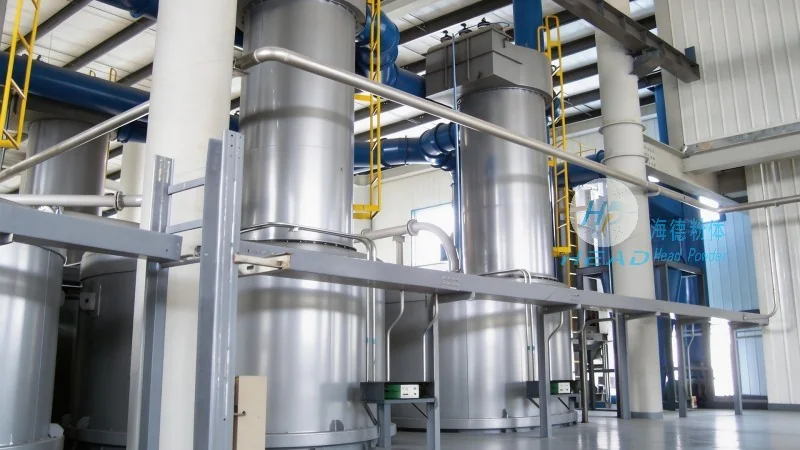
Understanding Positive Pressure Conveying for Limestone Powder
Positive pressure conveying systems operate by blowing air or gas into the material to move it through the pipeline. In this method, the material is forced forward by the pressure created by the air or gas flow. This approach is particularly effective for transporting dry, fine powders like limestone, as it can handle high volumes and maintain consistent flow rates. The system typically uses a blower or compressor to generate the necessary pressure, which pushes the material through the pipeline to the destination point.
One of the key advantages of positive pressure conveying is its ability to handle abrasive materials without causing excessive wear on the equipment. The high-pressure air helps to keep the material in suspension, reducing friction and wear on the pipeline walls. Additionally, this method is generally more reliable for long-distance conveying, as the pressure can be maintained consistently over extended lengths. However, it may require more energy to operate compared to negative pressure systems, especially when dealing with very fine or low-density powders.
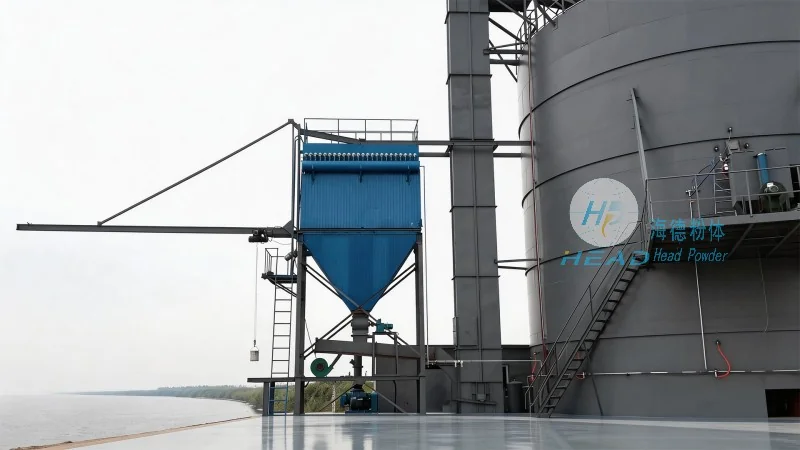
Exploring Negative Pressure Conveying for Limestone Powder
Negative pressure conveying, also known as suction conveying, works by creating a vacuum in the pipeline to draw the material from the source to the destination. The system uses a vacuum pump to remove air from the pipeline, creating a pressure differential that pulls the material along. This method is often preferred for applications where the material needs to be transported from a high or difficult-to-reach location to a lower point, as the vacuum can pull the material upward or over obstacles.
A major benefit of negative pressure conveying is its lower energy consumption compared to positive pressure systems, particularly for short to medium distances. The vacuum pump operates at lower pressures, making it more energy-efficient. This method is also well-suited for handling materials that are sensitive to pressure or that may be prone to caking, as the lower pressure helps to prevent agglomeration. However, negative pressure systems may have limitations in terms of conveying distance and material capacity, as the vacuum can diminish over longer distances, potentially leading to reduced efficiency.
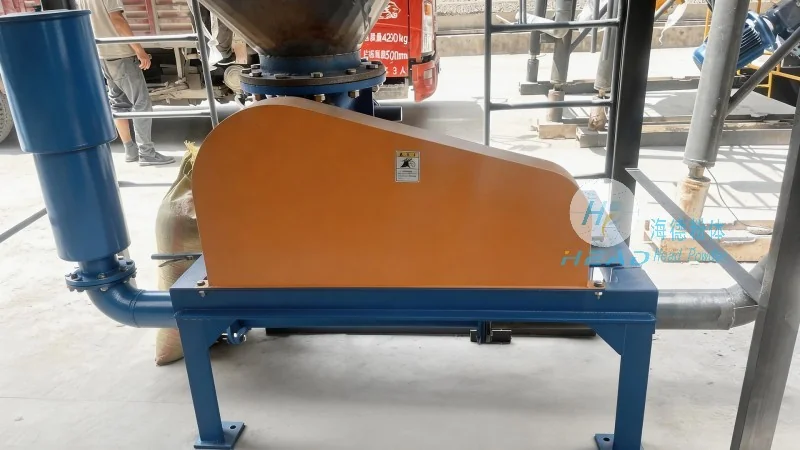
Distinguishing Between Positive and Negative Pressure Conveying
When deciding between positive and negative pressure conveying for limestone powder, several factors should be considered. The first is the distance and layout of the conveying system. Positive pressure systems are generally more suitable for longer distances, as they can maintain pressure effectively over extended lengths. Negative pressure systems are better for shorter distances or when the material needs to be drawn from a higher elevation.
Another critical factor is the material characteristics. For limestone powder, which is typically dry and fine, positive pressure conveying may be preferred if the material is abrasive or has a high flow rate requirement. Negative pressure conveying could be more appropriate if the material is sensitive to pressure changes or if the system needs to handle lower volumes with less energy consumption.
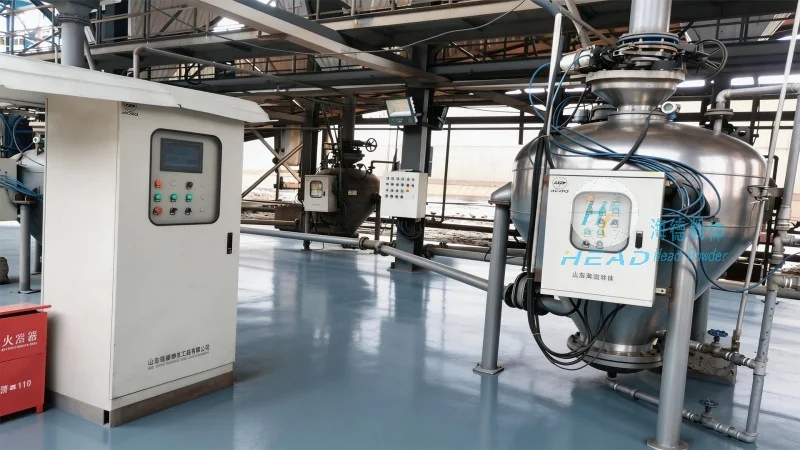
The type of equipment and infrastructure available at the site also plays a role. Positive pressure systems often require robust blower units and high-pressure pipelines, which may be more expensive to install and maintain. Negative pressure systems, on the other hand, may use simpler vacuum pumps and smaller pipelines, potentially reducing initial costs. However, the overall cost-effectiveness depends on the specific operational parameters and long-term maintenance requirements.
Conclusion: Making the Right Choice for Limestone Powder Conveying
Choosing between positive and negative pressure conveying for limestone powder requires a careful evaluation of operational needs, material characteristics, and infrastructure constraints. Positive pressure conveying offers advantages in terms of high volume handling and long-distance transport, while negative pressure conveying excels in energy efficiency and suitability for sensitive materials. By understanding the key differences and considering the specific requirements of your application, you can select the most effective conveying system to ensure smooth and efficient limestone powder transport. Whether you opt for positive or negative pressure, the goal is to achieve reliable, cost-effective, and safe material handling that meets the demands of your production process.