

Ash and Slag Transport: Choosing Positive Pressure vs. Negative Pressure - How to Differentiate?
When it comes to transporting ash and slag in industrial settings, selecting the right type of pneumatic conveying system is crucial for efficiency, safety, and cost-effectiveness. The two primary options are positive pressure and negative pressure systems. Understanding the differences and how to distinguish between them is essential for making an informed decision. This article explores the key aspects of both systems and provides guidance on how to choose the most suitable one for your specific needs.
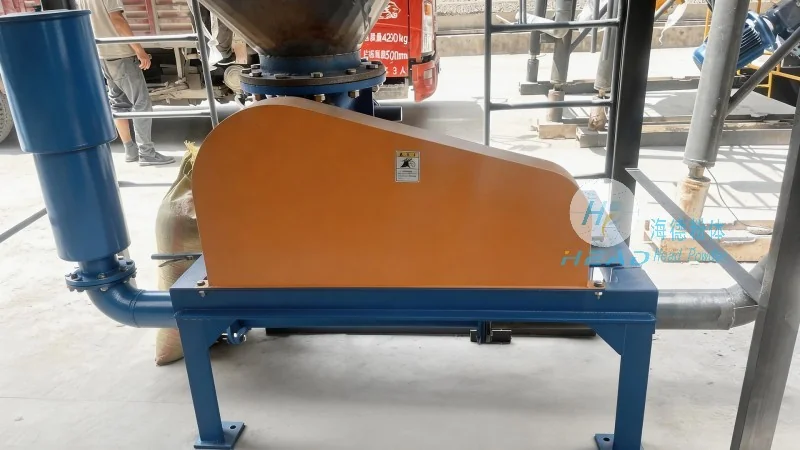
Understanding Positive Pressure Conveying for Ash and Slag
Positive pressure conveying systems operate by blowing air or gas into the conveying line, creating a pressure higher than the ambient air pressure. This method forces the material through the pipeline. In the context of ash and slag transport, this approach is often used for longer distances or when dealing with challenging terrain. The system typically includes a blower or compressor at the inlet, which supplies the necessary pressure to move the material. One of the main advantages of positive pressure systems is their ability to handle longer transport distances and complex layouts. They are also generally more robust and can accommodate a wider range of material sizes and moisture content. However, they require careful consideration of sealing and potential air leakage, as any breach can lead to environmental issues or reduced efficiency.
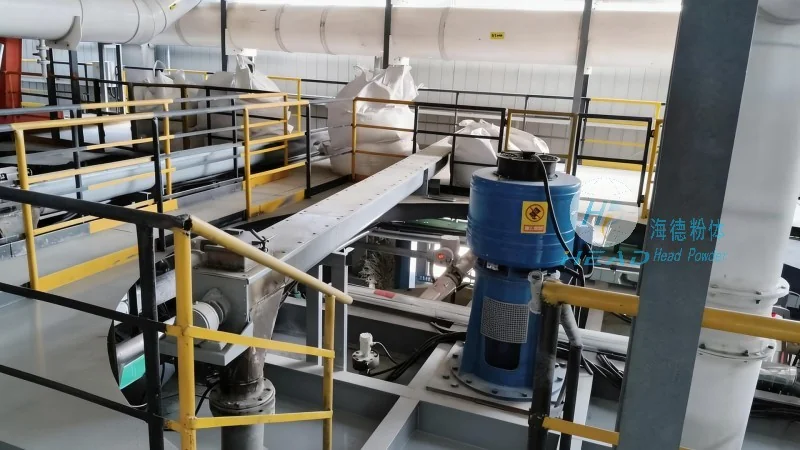
Exploring Negative Pressure Conveying for Ash and Slag
Negative pressure conveying, also known as suction or vacuum systems, works by creating a lower pressure inside the conveying line compared to the ambient air. This pressure difference draws the material into the system. Negative pressure systems are often preferred for applications where cleanliness and environmental protection are paramount. They are commonly used in situations where the material is to be transported from a source to a collection point, such as in dust collection or waste management. The primary benefit of negative pressure systems is their ability to minimize dust emissions and maintain a cleaner working environment. However, they tend to have higher energy consumption and may require more complex equipment to maintain the vacuum. The system's performance can also be affected by the distance and the density of the material being transported.
Distinguishing Between Positive and Negative Pressure Systems
Choosing between positive and negative pressure for ash and slag transport depends on several factors. The first consideration is the distance and layout of the transport route. Positive pressure systems are generally more suitable for longer distances and more complex piping networks, while negative pressure systems are often better for shorter distances or when the material needs to be collected from multiple points. Material characteristics also play a significant role. If the ash or slag is abrasive or has high moisture content, positive pressure systems may offer better durability and performance. Conversely, if the material is fine and requires minimal dust dispersion, negative pressure systems can provide a cleaner solution. Environmental regulations and safety standards are another critical factor. Negative pressure systems are often favored in environments where air quality is a concern, as they help contain dust and prevent emissions. Cost considerations are also important. While positive pressure systems may have lower initial equipment costs, negative pressure systems can be more expensive due to the need for robust vacuum equipment and higher energy usage. Ultimately, a thorough analysis of the specific project requirements, including the distance, material properties, environmental impact, and budget, will help determine which system is the most appropriate.
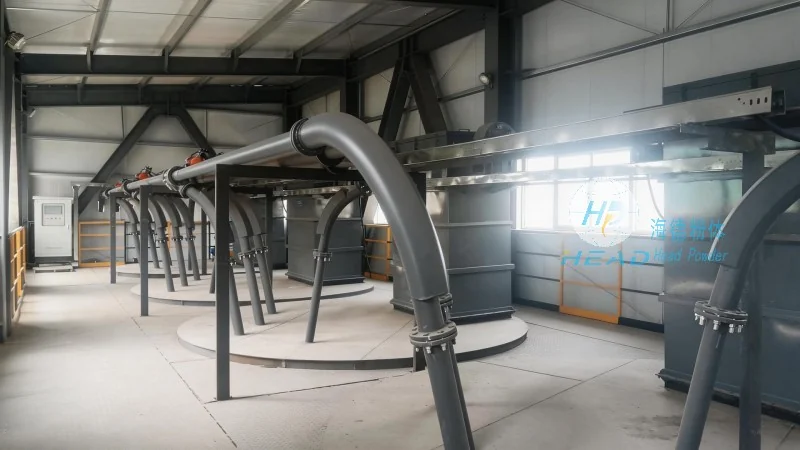
About Shandong HeadPowder Engineering Co., Ltd.
Shandong HeadPowder Engineering Co., Ltd., commonly known as HeadPowder, is a leading provider of industrial conveying solutions. With a focus on innovation and quality, the company specializes in designing and manufacturing systems for ash and slag transport. HeadPowder's expertise lies in understanding the unique challenges of handling abrasive and high-moisture materials, ensuring that their solutions are both efficient and reliable. The company's headquarters is located in Shandong, China, where it serves clients globally with tailored solutions that meet their specific operational needs. By combining advanced technology with practical application knowledge, HeadPowder helps industries optimize their ash and slag transport processes, improving productivity and reducing environmental impact.