

Choosing Positive Pressure vs. Negative Pressure for PTA Conveying: How to Distinguish?
When selecting a conveying system for PTA (Polyethylene Terephthalate Acid) materials, industrial operations often face a critical decision: whether to employ positive pressure or negative pressure technology. This choice significantly impacts efficiency, safety, and operational costs. Understanding the fundamental differences between these two approaches is essential for making an informed selection that aligns with specific production requirements.
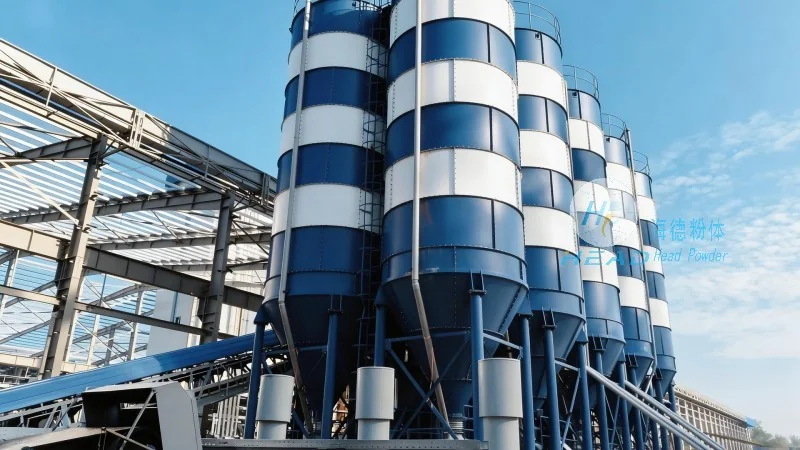
Positive Pressure Conveying Systems
Positive pressure conveying utilizes a blower or fan to generate air pressure that forces material through a pipeline. This method is commonly used for handling bulk solids, including PTA, where the material is pushed from a source to a destination. The primary advantage of positive pressure systems is their ability to handle abrasive or corrosive materials without causing excessive wear on equipment. Additionally, they are effective in environments where dust control and containment are critical, as the system maintains a positive pressure within the pipeline, preventing external air from entering and contaminating the material. However, one of the key drawbacks is the potential for higher energy consumption compared to negative pressure systems, as continuous air pressure is required to maintain material flow. This can increase operational costs over time, especially in large-scale PTA processing facilities.
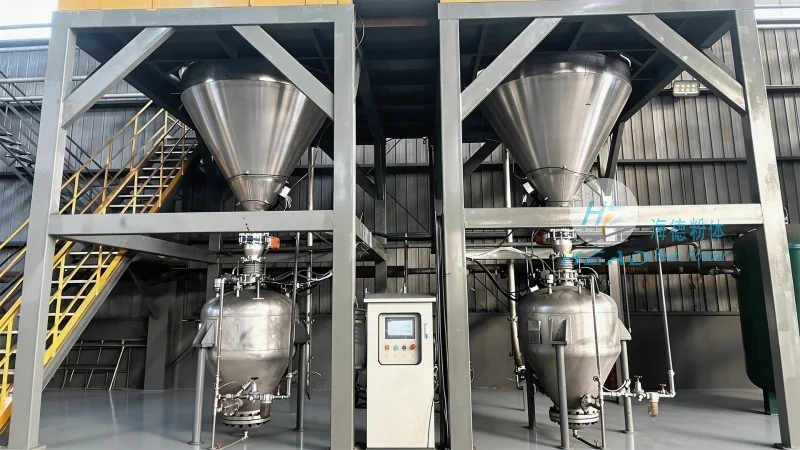
Negative Pressure Conveying Systems
Negative pressure, or vacuum, conveying systems operate by creating a vacuum within the pipeline to draw material from a source to a collection point. Unlike positive pressure, which pushes material, negative pressure pulls it. This approach is often preferred for applications where the material is light or has a low bulk density, as the vacuum can effectively capture and transport fine powders without the need for high air pressure. A significant benefit of negative pressure systems is their lower energy consumption, as they only require the vacuum to be maintained, rather than continuous high-pressure air. This makes them more energy-efficient and cost-effective for certain PTA handling scenarios. Nevertheless, negative pressure systems may be less suitable for handling highly abrasive or sticky materials, as the vacuum can sometimes lead to material buildup or blockages in the pipeline. Additionally, they may not be as effective in environments where dust containment is a major concern, as the system can potentially draw external air into the pipeline, leading to contamination.
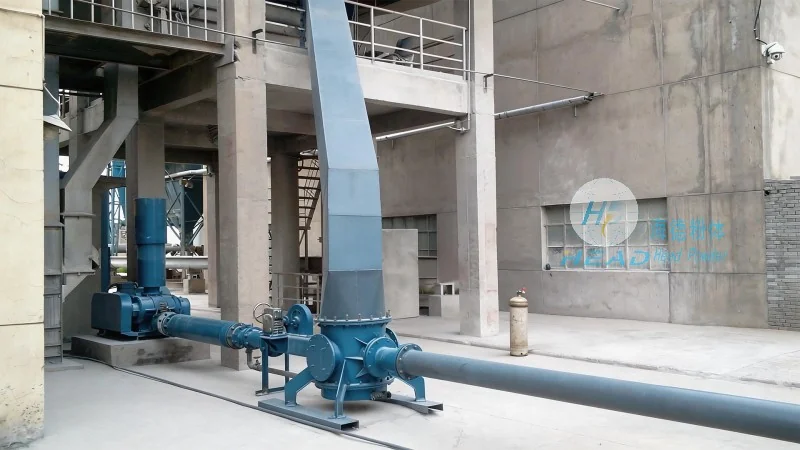
Distinguishing Between Positive and Negative Pressure for PTA Conveying
Identifying the most appropriate conveying method for PTA involves evaluating several key factors. First, the physical properties of the PTA material itself are crucial. For example, if the PTA is highly abrasive or corrosive, a positive pressure system may be more suitable due to its ability to handle such materials without excessive wear. Conversely, if the PTA is a fine powder with low bulk density, a negative pressure system might offer better efficiency and lower energy costs. Second, the operational environment and safety requirements play a significant role. Positive pressure systems excel in environments where dust containment and explosion prevention are critical, as they maintain a positive pressure that prevents external air from entering and igniting dust clouds. Negative pressure systems, while energy-efficient, may require additional filtration and containment measures to prevent dust leakage. Third, the scale and complexity of the conveying system must be considered. Large-scale PTA processing plants often require robust positive pressure systems to handle high material throughput, whereas smaller or more localized applications might benefit from the simplicity and lower cost of negative pressure solutions.

Company Introduction: Shandong HeadPowder Engineering Co., Ltd.
Shandong HeadPowder Engineering Co., Ltd., operating under the brand name HeadPowder, specializes in the design, manufacturing, and installation of advanced material handling systems, including PTA conveying solutions. With a focus on innovation and customer-centric solutions, HeadPowder provides tailored conveying systems that meet the specific needs of industrial clients. The company's headquarters is located in Shandong, China, where it leverages local expertise and resources to deliver high-quality products and services. HeadPowder's commitment to quality and efficiency has made it a trusted partner for businesses seeking reliable PTA conveying solutions across various industries.