

Preventing Dust Leakage in Pneumatic Conveying Systems for Lithium-Ion Battery Anode Materials
As the global demand for lithium-ion batteries continues to surge, the efficient and safe handling of anode materials has become a critical concern for manufacturers. Among the various processing methods, pneumatic conveying systems are widely adopted due to their flexibility and ability to transport materials over long distances. However, these systems often face challenges related to dust leakage, which can pose significant risks to both operational safety and environmental compliance. This article explores effective strategies to prevent dust leakage in pneumatic conveying systems specifically designed for lithium-ion battery anode materials, with a focus on the expertise of Shandong HeadPowder Engineering Co., Ltd., a leading provider in the field.
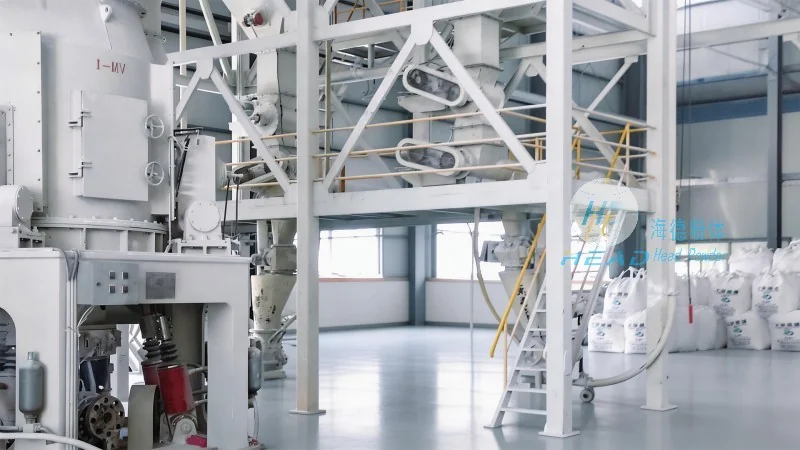
Understanding the Risks of Dust Leakage in Pneumatic Conveying
Lithium-ion battery anode materials, such as graphite and silicon-based powders, are inherently fine and abrasive. When these materials are transported via pneumatic systems, the risk of dust leakage increases due to the high velocity of air and the abrasive nature of the particles. Dust leakage can lead to several adverse effects, including: (1) health hazards for personnel exposed to airborne particles, (2) contamination of the production environment, (3) loss of valuable material, and (4) potential regulatory violations related to air quality standards. Therefore, implementing robust dust control measures is essential to ensure both operational efficiency and compliance with safety regulations.
Key Challenges in Pneumatic Conveying for Anode Materials
Conveying lithium-ion anode materials presents unique challenges compared to traditional bulk materials. The high dust generation rate, the tendency of particles to agglomerate or become electrostatically charged, and the need for precise control over material flow all contribute to increased leakage risks. Traditional pneumatic systems may rely on positive pressure, which can exacerbate dust escape through seals and connections. Additionally, the abrasive nature of anode powders can wear down system components over time, leading to increased leakage points. Addressing these challenges requires a tailored approach that integrates advanced engineering solutions and material-specific considerations.
Advanced Pneumatic Conveying Solutions by Shandong HeadPowder Engineering Co., Ltd.
Shandong HeadPowder Engineering Co., Ltd., headquartered in Shandong, China, specializes in designing and manufacturing customized pneumatic conveying systems tailored to the unique requirements of lithium-ion battery anode material processing. The company’s expertise lies in integrating state-of-the-art technologies to minimize dust leakage while maintaining operational efficiency. Key features of their systems include:
1. **Negative Pressure Conveying Systems**: By operating under negative pressure, these systems create a sealed environment that prevents dust from escaping into the surrounding air. The negative pressure pulls material into the system, reducing the likelihood of particles escaping through seals or connections.
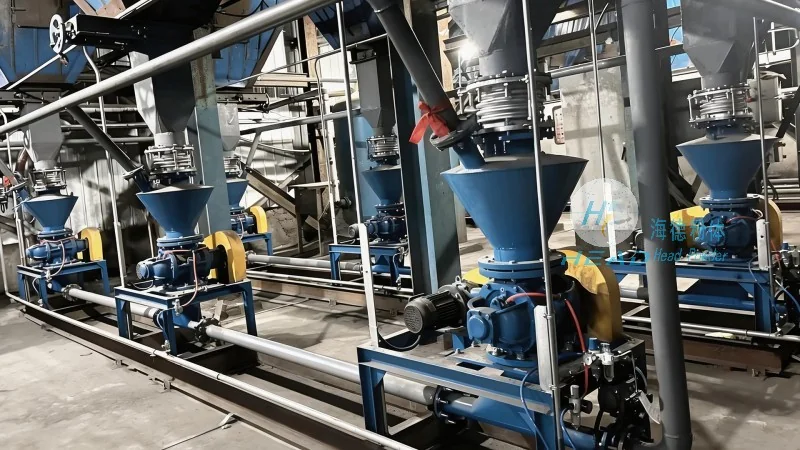
2. **Seal and Valve Technology**: Advanced sealing mechanisms, such as rotary airlocks and butterfly valves, are engineered to handle the abrasive nature of anode powders. These components are designed to maintain tight seals even under high pressure differentials, minimizing the risk of leakage.
3. **Dust Collection and Filtration**: Integrated dust collection systems with high-efficiency filters capture any particles that may escape, ensuring that the air discharged from the system is clean and compliant with environmental standards. This not only protects the environment but also maintains the purity of the material being processed.
4. **Material Handling Optimization**: The company’s engineers work closely with clients to optimize the conveying process, including the selection of appropriate air velocities and pipeline diameters. Proper system design reduces the stress on components and minimizes the generation of dust during transport.
Implementation Strategies for Dust Control
Implementing effective dust control measures in pneumatic conveying systems for anode materials involves a combination of system design, maintenance, and operational practices. Shandong HeadPowder recommends the following strategies:
First, conducting a thorough risk assessment to identify potential leakage points in the system. This includes inspecting seals, connections, and equipment for wear or damage. Regular maintenance schedules are crucial to replace worn components before they fail, preventing sudden leaks.
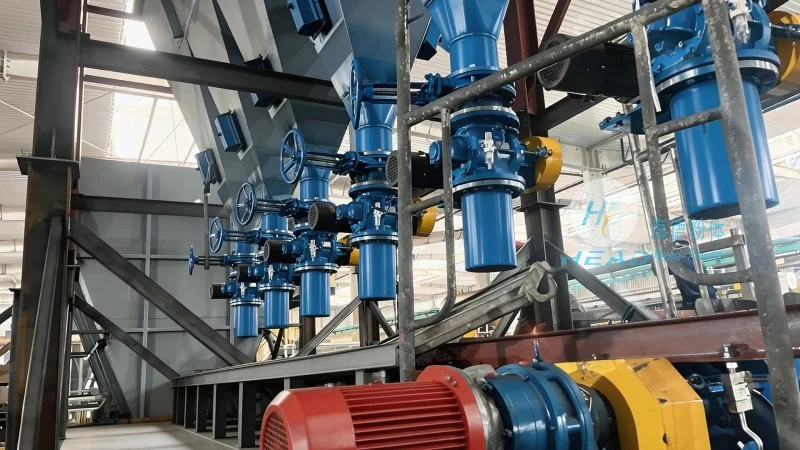
Second, ensuring proper grounding and bonding of the system to prevent electrostatic buildup, which can cause dust particles to become charged and more likely to escape. Proper grounding dissipates static electricity, reducing the risk of dust ignition and leakage.
Third, using appropriate filtration and ventilation systems to capture any airborne particles. High-efficiency particulate air (HEPA) filters are commonly used to ensure that the air discharged from the system meets environmental standards. Additionally, local exhaust ventilation can be employed to capture dust at the source, further reducing exposure risks.
Case Study: Successful Dust Control in a Lithium-Ion Battery Plant
A leading lithium-ion battery manufacturer in China recently implemented a pneumatic conveying system from Shandong HeadPowder Engineering Co., Ltd. to transport graphite anode powders. Prior to the upgrade, the plant experienced significant dust leakage, leading to health complaints from workers and high air filtration costs. After installing the negative pressure conveying system with integrated dust collection, the plant reported a 90% reduction in dust leakage. The new system also improved material handling efficiency by 15%, as the optimized air velocity and pipeline design reduced material degradation and loss.
Conclusion and Future Directions
Preventing dust leakage in pneumatic conveying systems for lithium-ion battery anode materials is a multifaceted challenge that requires a combination of advanced engineering, proper system design, and rigorous maintenance. Shandong HeadPowder Engineering Co., Ltd. offers comprehensive solutions that address the unique challenges of anode material processing, ensuring both operational safety and environmental compliance. By adopting negative pressure systems, advanced sealing technologies, and integrated dust control measures, manufacturers can minimize the risks associated with dust leakage while maintaining the efficiency and reliability of their production processes. As the demand for lithium-ion batteries continues to grow, investing in robust dust control solutions will be critical to meeting both current and future industry standards.