

Technical Analysis of Urea Pneumatic Conveying Systems: Comparison of Positive Pressure and Negative
Urea, a critical nitrogen fertilizer, requires efficient and reliable transportation from production facilities to storage or distribution centers. Pneumatic conveying systems have emerged as a preferred method for handling urea due to their ability to transport bulk materials over long distances with minimal environmental impact. This technical analysis explores the two primary modes of pneumatic conveying—positive pressure and negative pressure—and compares their applications, advantages, and limitations in the context of urea handling.
Positive Pressure Conveying Mode
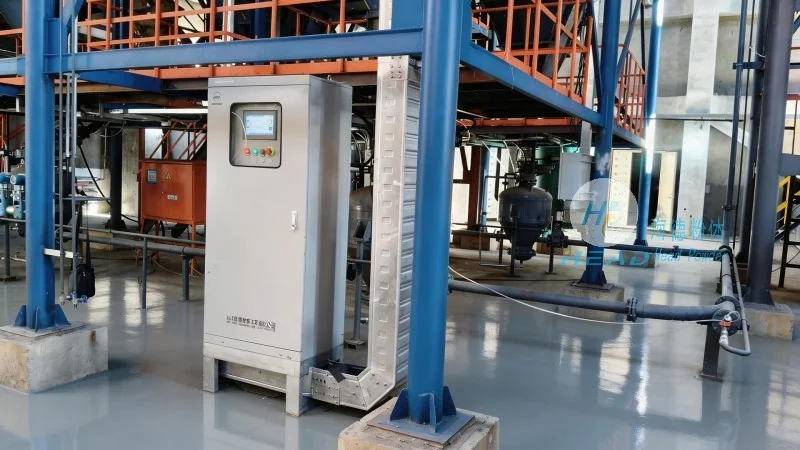
Positive pressure conveying operates by blowing air or a carrier gas into the conveying line, creating a pressure higher than the ambient air pressure. This method is commonly used for short to medium-distance transport and is particularly suitable for handling urea in industrial settings. The system typically consists of a blower, a hopper, and a conveying line. The blower generates the necessary pressure to move urea particles through the pipeline. One of the key advantages of positive pressure systems is their ability to handle a wide range of particle sizes and moisture content in urea, making them versatile for various production and storage scenarios. However, they may require more maintenance due to the higher pressure and the need for robust sealing components to prevent air leakage. Additionally, the higher energy consumption associated with maintaining positive pressure can be a consideration for long-term operational costs.
Negative Pressure Conveying Mode
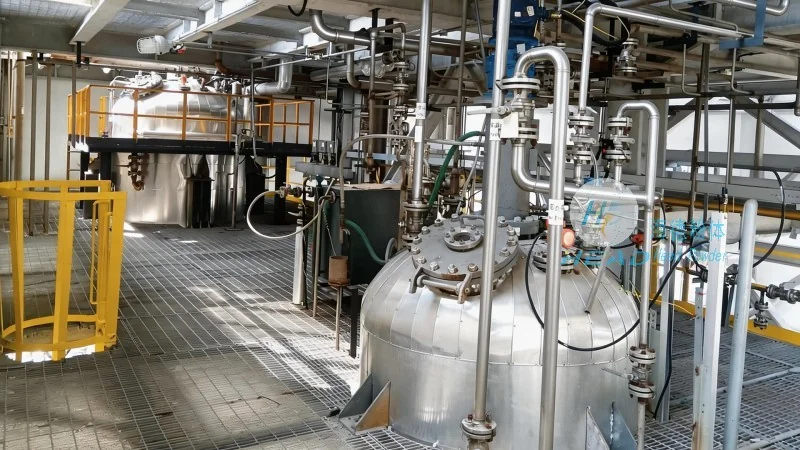
Negative pressure conveying, also known as vacuum conveying, works by creating a vacuum in the conveying line, drawing material from the source into the system. This mode is often employed for longer distances or when the material needs to be transported from a lower elevation to a higher one. The system includes a vacuum pump, a hopper, and a receiving container. Negative pressure systems are generally more energy-efficient compared to positive pressure systems, as they consume less power to maintain the vacuum. They are also less likely to cause dust emissions at the source, which is beneficial for maintaining a clean working environment. However, negative pressure conveying may have limitations in handling highly abrasive or sticky urea particles, as the vacuum can sometimes lead to material buildup in the pipeline. The system's design must also account for the risk of air leaks, which could compromise the vacuum and affect the conveying efficiency.
Comparison of Positive and Negative Pressure Systems for Urea
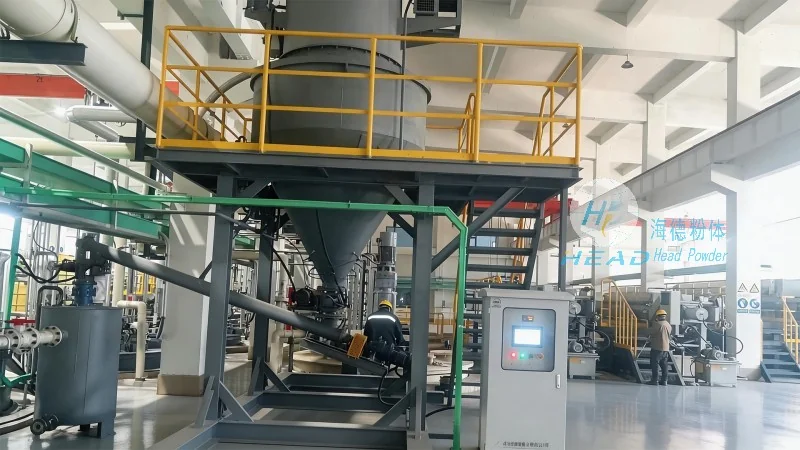
When selecting between positive and negative pressure conveying systems for urea, several factors must be considered. The distance of the transport route is a primary determinant; positive pressure is often preferred for shorter distances due to its higher pressure capability, while negative pressure is more suitable for longer distances or vertical lifts. Energy consumption is another critical factor, with negative pressure systems generally offering lower operational costs. However, positive pressure systems may be more cost-effective for high-volume, short-distance transport. Environmental considerations also play a role, as negative pressure systems tend to produce less dust at the source, reducing the risk of air pollution. Maintenance requirements differ between the two modes, with positive pressure systems potentially needing more frequent maintenance due to higher pressures and mechanical components. Ultimately, the choice between positive and negative pressure depends on the specific application, including the distance, material characteristics, and operational budget of the urea handling facility.
About Shandong HeadPowder Engineering Co., Ltd.
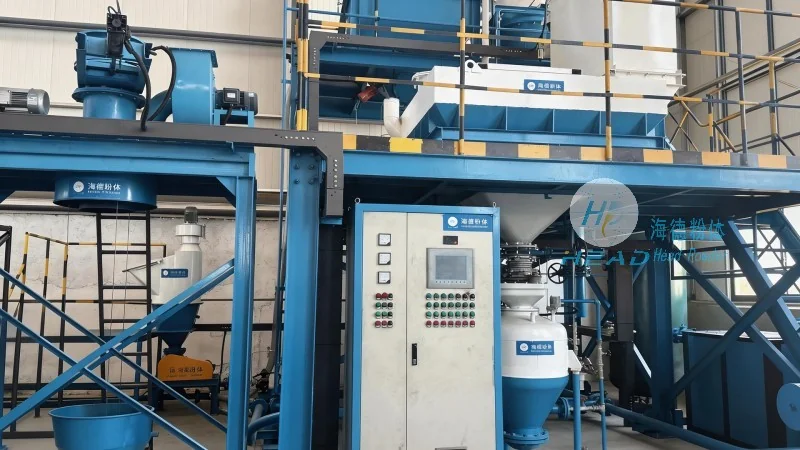
Shandong HeadPowder Engineering Co., Ltd., operating under the brand name headpowder, is a leading provider of specialized engineering solutions for bulk material handling, including pneumatic conveying systems for urea and other fertilizers. With a strong focus on innovation and customer satisfaction, the company has established itself as a trusted partner in the agricultural and industrial sectors. HeadPowder's expertise lies in designing and manufacturing customized conveying systems that meet the unique requirements of each client, ensuring efficient and reliable material transport. The company's commitment to quality and technical excellence has enabled it to serve a wide range of industries, from fertilizer production to food processing. HeadPowder's team of experienced engineers and technicians work closely with clients to understand their specific needs and develop tailored solutions that enhance operational efficiency and reduce costs. By leveraging advanced technology and rigorous testing, HeadPowder ensures that its conveying systems are robust, durable, and compliant with industry standards. The company's dedication to sustainability and environmental responsibility is reflected in its design of energy-efficient systems that minimize the ecological impact of material handling processes. HeadPowder's presence in China, particularly in Shandong, positions it as a key player in the regional and global market for bulk material handling solutions.