

Technical Analysis of Cotton Seed Pneumatic Conveying Systems: Comparison of Positive Pressure vs. N
For the cotton seed processing industry, the efficiency and reliability of material handling systems are critical to overall operational performance. Among the various technologies available, pneumatic conveying systems stand out as a key solution for transporting cotton seeds from one location to another within a processing facility. This article provides a technical analysis of cotton seed pneumatic conveying systems, focusing on the two primary modes of operation: positive pressure and negative pressure. By examining the characteristics, advantages, and limitations of each mode, we aim to help industry professionals make informed decisions when selecting the most suitable conveying system for their specific needs.
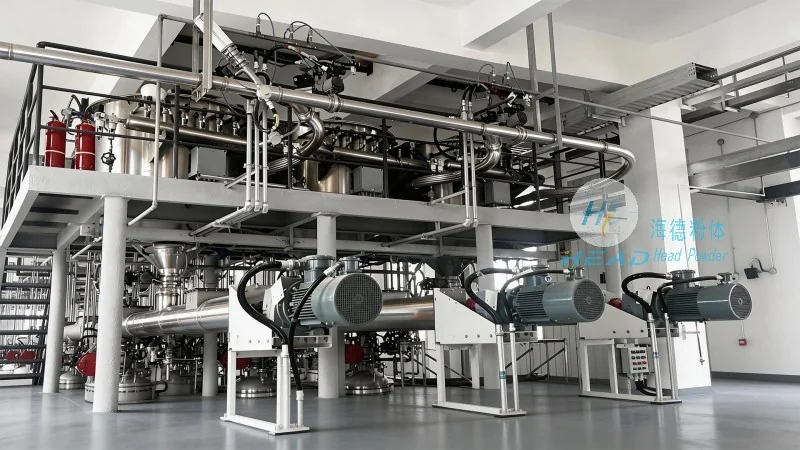
Positive Pressure Conveying Systems: Principles and Applications
Positive pressure pneumatic conveying systems operate by blowing air or a mixture of air and other gases into the conveying line, creating a pressure higher than the ambient air pressure. This pressurized air propels the cotton seeds through the pipeline. The system typically includes a blower or fan that generates the necessary pressure, a hopper or feeder to introduce the material, and a series of pipes that transport the seeds to the destination point. The positive pressure system is known for its ability to handle a wide range of materials, including those with high moisture content or sticky properties, as the pressurized air helps to break up agglomerates and maintain a consistent flow.
In terms of design, positive pressure systems often feature a closed loop with a filter at the end to capture any dust or particles that may have escaped. The filter is essential for maintaining air quality and preventing contamination of the processed cotton seeds. The blower is usually located at the inlet of the system, ensuring that the material is continuously pushed forward. This design minimizes the risk of material buildup and blockages, which can be common in other conveying methods.
One of the key advantages of positive pressure systems is their high conveying capacity. They can handle large volumes of cotton seeds over long distances, making them suitable for large-scale processing facilities. Additionally, the system is relatively easy to maintain, as the components are generally robust and less prone to wear and tear compared to other systems. However, the main drawback is the higher energy consumption due to the constant pressure requirement, which can increase operational costs over time.
Negative Pressure Conveying Systems: Principles and Applications
Conversely, negative pressure pneumatic conveying systems work by creating a vacuum or low-pressure environment within the conveying line, which draws the cotton seeds into the system. The system uses a vacuum pump or fan to create the negative pressure, and the material is drawn from a hopper or storage bin into the pipeline. The air and material mixture is then transported to the destination point, where the material is separated from the air using a filter or cyclone.
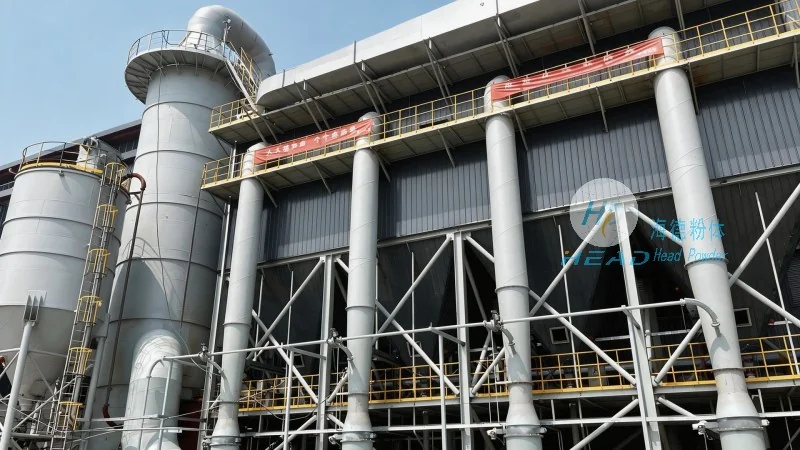
Negative pressure systems are particularly effective for handling materials that are light and dusty, such as cotton seeds, as the vacuum helps to pull the material into the system without the need for mechanical feeding. The design of a negative pressure system typically includes a vacuum pump at the outlet, with the material inlet located at a higher elevation than the outlet. This allows the material to be drawn into the system due to the pressure differential. The system is also known for its lower energy consumption compared to positive pressure systems, as it only requires the vacuum pump to operate.
However, negative pressure systems have limitations when it comes to handling materials with high moisture content or sticky properties. The vacuum can sometimes cause the material to stick to the walls of the pipeline, leading to blockages and reduced efficiency. Additionally, the system is more susceptible to air leaks, which can reduce the overall conveying capacity and increase energy consumption. Despite these limitations, negative pressure systems are widely used in applications where the material is light and the distance to be covered is relatively short.
Comparison of Positive Pressure vs. Negative Pressure Conveying Modes
When comparing the two modes of pneumatic conveying for cotton seed handling, several factors come into play. The choice between positive and negative pressure systems depends on the specific requirements of the processing facility, including the distance to be covered, the volume of material to be transported, the properties of the cotton seeds, and the available space and budget.
Positive pressure systems are generally more suitable for long-distance conveying and high-volume applications. They are capable of transporting cotton seeds over distances of several hundred meters or more, and can handle large quantities of material at once. The pressurized air also helps to maintain a consistent flow rate, even when the material feed rate fluctuates. On the other hand, negative pressure systems are better suited for shorter distances and lighter materials. They are more energy-efficient and can handle materials that are more sensitive to pressure changes.
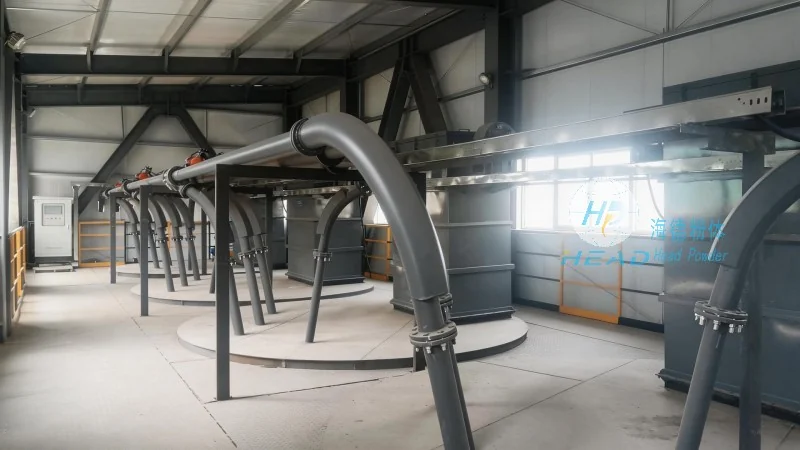
In terms of maintenance and operational costs, positive pressure systems tend to have higher energy consumption due to the continuous operation of the blower. However, they are less prone to blockages and require less frequent maintenance compared to negative pressure systems. Negative pressure systems, while more energy-efficient, may require more frequent cleaning of the filter and pipeline due to the accumulation of dust and material particles.
Another important consideration is the impact on the environment and worker safety. Positive pressure systems can release dust and particles into the ambient air if the filter is not properly maintained, which may pose health risks to workers. Negative pressure systems, on the other hand, are more enclosed and can help to contain dust and particles within the system, reducing the risk of exposure. However, the vacuum pump in a negative pressure system may generate more noise, which can affect the working environment.
HeadPowder: Expert in Cotton Seed Pneumatic Conveying Solutions
Shandong HeadPowder Engineering Co., Ltd., commonly known as HeadPowder, is a leading manufacturer and supplier of pneumatic conveying systems for the cotton seed processing industry. With years of experience and a commitment to innovation, HeadPowder has developed a range of advanced solutions tailored to the specific needs of cotton seed handling. The company's products are designed to maximize efficiency, minimize energy consumption, and ensure the highest quality of the processed cotton seeds.
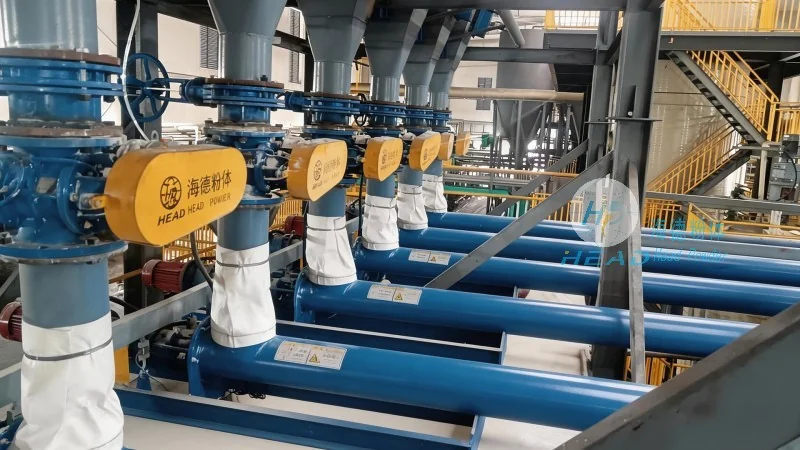
HeadPowder's team of engineers and technicians work closely with clients to understand their operational requirements and provide customized solutions. Whether it's a positive pressure or negative pressure system, HeadPowder offers a comprehensive range of components, including blowers, filters, hoppers, and control systems, to ensure that the system operates at its optimal performance level. The company also provides maintenance and support services to ensure that the systems remain in good working condition throughout their lifespan.
HeadPowder's commitment to quality is reflected in its adherence to international standards and certifications. The company's products are manufactured using high-quality materials and advanced manufacturing processes, ensuring durability and reliability. Additionally, HeadPowder invests in research and development to stay ahead of the latest trends and technologies in the industry, allowing it to offer cutting-edge solutions to its clients.
Conclusion: Selecting the Right Pneumatic Conveying System for Cotton Seed Handling
Choosing the right pneumatic conveying system for cotton seed handling is a critical decision that can significantly impact the efficiency and profitability of a processing facility. By understanding the principles and applications of both positive and negative pressure systems, industry professionals can make an informed choice based on their specific needs. Positive pressure systems are ideal for long-distance, high-volume applications, while negative pressure systems are better suited for shorter distances and lighter materials.
Ultimately, the choice between the two modes depends on a variety of factors, including the distance to be covered, the volume of material, the properties of the cotton seeds, and the available resources. It is important to consider not only the initial cost of the system but also the long-term operational costs and maintenance requirements. By carefully evaluating these factors and consulting with experts like HeadPowder, processing facilities can select the most suitable pneumatic conveying system to meet their needs and achieve optimal performance.