

Comparison of Positive Pressure and Negative Pressure Conveying for Lightweight Aggregate: A Compara
When it comes to transporting lightweight aggregate, such as expanded clay or vermiculite, the choice between positive pressure and negative pressure pneumatic conveying systems is a critical decision for industrial operations. Both methods offer distinct advantages and are designed to handle the unique characteristics of lightweight materials, but understanding their differences is essential for optimizing efficiency and cost-effectiveness in material handling processes. As a leading provider of engineering solutions for material handling, Shandong HeadPowder Engineering Co., Ltd. specializes in designing and implementing customized pneumatic conveying systems tailored to the specific needs of industrial clients.
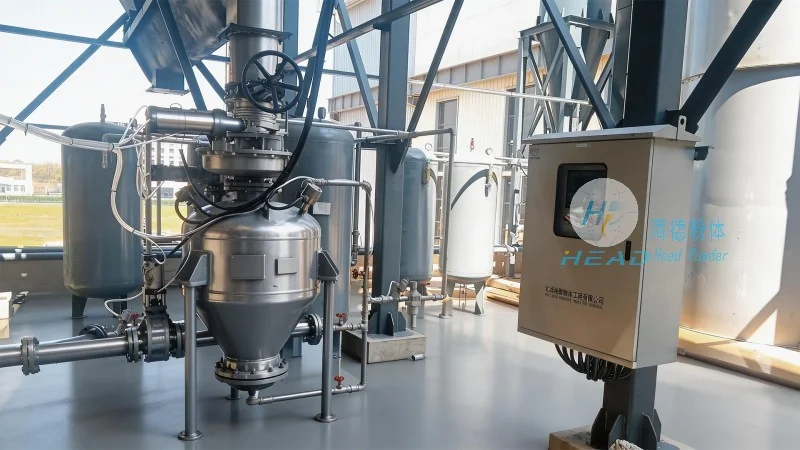
Introduction to Pneumatic Conveying Systems
Pneumatic conveying systems utilize air or gas to transport bulk materials through a pipeline network. These systems are widely used in various industries, including construction, agriculture, and manufacturing, due to their ability to move materials without the need for mechanical components like belts or buckets. The two primary types of pneumatic conveying are positive pressure and negative pressure systems, each with its own operational principles and applications.
Positive Pressure Conveying for Lightweight Aggregate
Positive pressure conveying operates by blowing air or gas into the material to be transported, creating a pressure differential that propels the material through the pipeline. This method is particularly effective for transporting lightweight aggregates because it can handle materials with low bulk density and can maintain a consistent flow rate. The system typically uses a blower or compressor to generate the necessary pressure, and the material is carried in the air stream as it moves through the pipeline. The positive pressure approach is often preferred for short to medium distance conveying and for materials that are prone to segregation or degradation under negative pressure conditions.
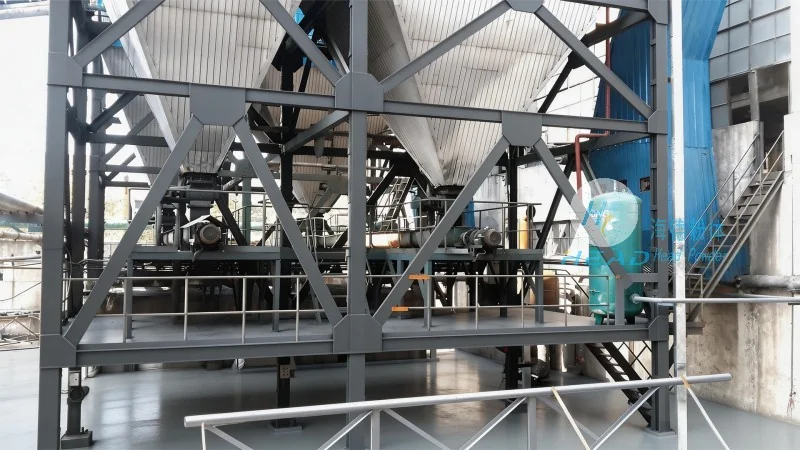
Negative Pressure Conveying for Lightweight Aggregate
Negative pressure conveying, also known as suction or vacuum conveying, works by creating a vacuum in the pipeline, which draws the material into the system. The material is then carried by the air stream as it is pulled through the pipeline. This method is well-suited for applications where the material needs to be transported from multiple sources or over longer distances, as the vacuum can be maintained over greater distances with less pressure drop. Negative pressure systems are often used for handling dusty or fine materials, as the vacuum helps to contain and transport particles without causing excessive wear on the system components.
Key Differences and Performance Metrics
Several factors differentiate positive and negative pressure conveying systems, including pressure requirements, material handling capabilities, and system complexity. Positive pressure systems generally require higher pressure levels and more robust equipment to handle the force needed to push the material through the pipeline. They are typically more suitable for shorter conveying distances and for materials that are less prone to degradation under pressure. In contrast, negative pressure systems operate at lower pressures and are better suited for longer distances and for materials that are more sensitive to pressure or mechanical stress. Performance metrics such as conveying capacity, pressure drop, and energy consumption are critical in evaluating the efficiency of each system. Positive pressure systems often have higher conveying capacities and lower pressure drops over short distances, while negative pressure systems may have lower capacities but can maintain suction over longer distances with less energy input.
Application Considerations and Industry Use Cases
The choice between positive and negative pressure conveying depends on the specific requirements of the application, including the type of lightweight aggregate being handled, the distance to be covered, and the operational environment. For example, in the construction industry, where lightweight aggregates are used for insulation and lightweight concrete, positive pressure systems are often preferred for on-site material handling due to their ability to transport materials quickly and efficiently over short distances. In contrast, negative pressure systems may be more suitable for transporting lightweight aggregates from storage silos to processing facilities over longer distances, as they can maintain suction without the need for high-pressure blowers.
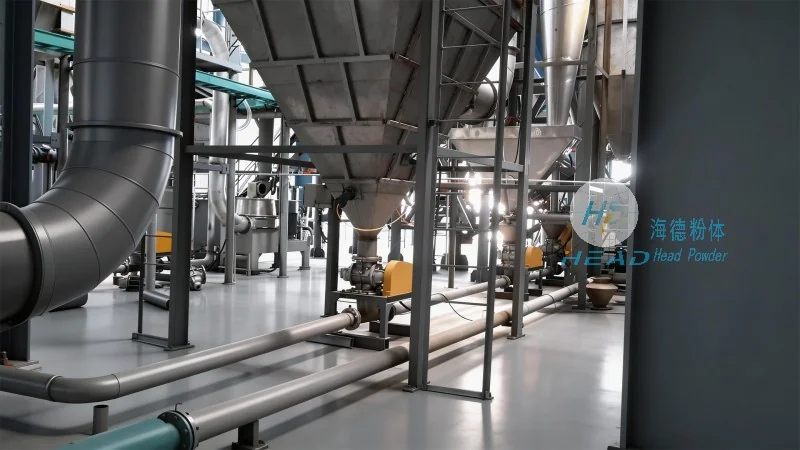
Advantages and Limitations of Each Method
Positive pressure conveying offers several advantages, including higher conveying speeds, lower pressure drop over short distances, and the ability to handle materials with higher moisture content or larger particle sizes. However, it may require more maintenance due to the higher pressure and mechanical stress on components. Negative pressure systems, on the other hand, have the advantage of being more energy-efficient for long-distance conveying and are better at handling fine or dusty materials without causing excessive wear. They may, however, be more prone to clogging and require more frequent cleaning of the suction line.
Conclusion and Recommendations
Both positive pressure and negative pressure pneumatic conveying systems are effective for transporting lightweight aggregate, but the optimal choice depends on the specific operational needs and constraints of the application. Positive pressure systems are generally more suitable for short to medium distance conveying and for materials that are less sensitive to pressure, while negative pressure systems are better for longer distances and for materials that are more delicate or prone to degradation under pressure. By carefully evaluating the conveying requirements, such as distance, material characteristics, and operational efficiency, industrial operators can select the most appropriate pneumatic conveying method to optimize their material handling processes. Shandong HeadPowder Engineering Co., Ltd. offers expert consultation and tailored solutions to help clients choose the best pneumatic conveying system for their lightweight aggregate handling needs, ensuring efficient and cost-effective material transport in various industrial applications.