

Technical Analysis of Sintered Ash Pneumatic Conveying Systems: Comparison of Positive and Negative
Efficient material handling is a critical aspect of industrial operations, particularly in processes involving sintered ash, a byproduct commonly found in metallurgical and cement production facilities. The selection of an appropriate pneumatic conveying system is paramount to ensure optimal performance, reliability, and cost-effectiveness in transporting these materials. This technical analysis delves into the core technologies of sintered ash pneumatic conveying systems, focusing on the comparison between positive pressure and negative pressure conveying modes. By examining the operational principles, advantages, and limitations of each approach, this article aims to provide a comprehensive understanding to aid in system design and selection decisions.
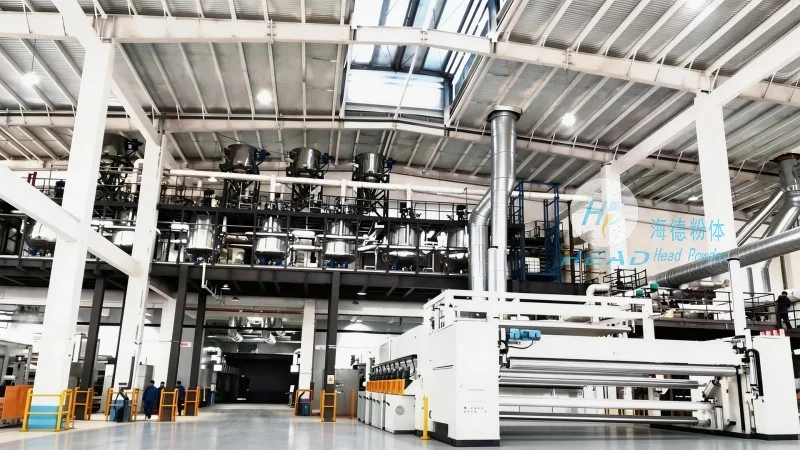
Understanding Sintered Ash and Pneumatic Conveying Basics
Sintered ash, also known as sintered slag or clinker, is a solid residue generated during the sintering process, which involves the fusion of raw materials at high temperatures to form a porous, granular material. This material is typically characterized by its high density, abrasive nature, and varying particle size distribution, making it challenging to transport using conventional methods. Pneumatic conveying, a method that utilizes air or gas to transport bulk materials through a pipeline, offers a solution to these challenges by enabling the movement of sintered ash from one location to another without the need for mechanical components like conveyors or elevators.
Positive Pressure Conveying Mode: Principles and Applications
Positive pressure conveying, also referred to as pressure pneumatic conveying, operates by blowing air or gas into the material to be transported, creating a pressure differential that propels the material through the pipeline. In this mode, the conveying line is under positive pressure, and the air is introduced at the inlet of the system. The primary advantage of positive pressure systems is their ability to handle a wide range of material characteristics, including abrasive and sticky materials, due to the high velocity and pressure maintained throughout the pipeline. This mode is particularly suitable for long-distance and high-capacity conveying applications, as it can maintain consistent material flow rates over extended distances.
Shandong HeadPowder Engineering Co., Ltd., a leading provider of pneumatic conveying solutions, specializes in designing and manufacturing positive pressure systems tailored to the unique requirements of sintered ash transport. Their expertise lies in optimizing the pressure and velocity parameters to ensure efficient material movement while minimizing wear and tear on system components. The company's systems are engineered to handle the abrasive nature of sintered ash, incorporating robust materials and advanced control mechanisms to enhance durability and operational reliability.
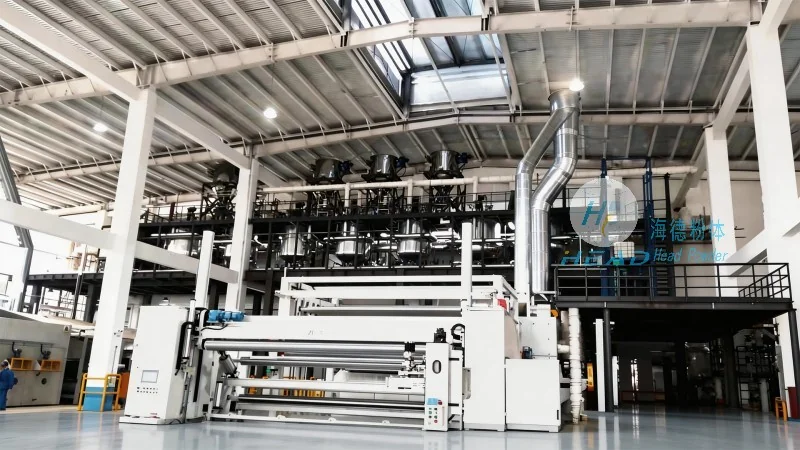
Negative Pressure Conveying Mode: Principles and Applications
Negative pressure conveying, or vacuum pneumatic conveying, operates by creating a vacuum at the receiving end of the system, which draws the material into the pipeline. The air and material are then transported to the discharge point, where the vacuum is released. This mode is characterized by its ability to handle materials that are difficult to move under positive pressure, such as fine powders or materials with low bulk density. Negative pressure systems are particularly effective for short to medium-distance conveying, as the vacuum can be maintained efficiently over shorter pipeline lengths.
For sintered ash applications, negative pressure conveying offers advantages in terms of lower energy consumption and reduced material degradation compared to positive pressure systems. However, it is less suitable for handling highly abrasive or sticky materials, as the lower velocity and pressure can lead to increased wear on the system and potential blockages. Shandong HeadPowder Engineering Co., Ltd. also provides negative pressure solutions, leveraging advanced vacuum technology to ensure reliable material transport while minimizing operational costs.
Key Considerations in System Selection: Positive vs. Negative Pressure
The choice between positive and negative pressure conveying modes for sintered ash systems depends on several critical factors, including the distance between the source and destination, the material characteristics, the required flow rate, and the overall system cost. Positive pressure systems are generally preferred for long-distance and high-capacity applications due to their ability to maintain consistent flow rates and handle abrasive materials effectively. Negative pressure systems, on the other hand, are more suitable for short-distance or low-flow applications where energy efficiency and material preservation are prioritized.
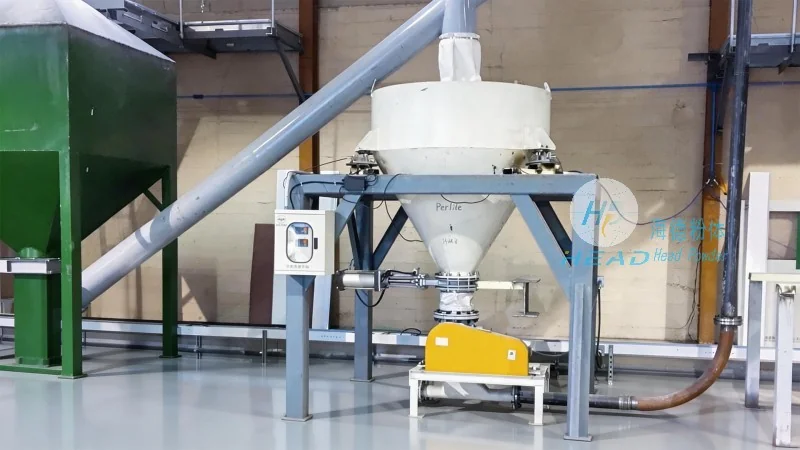
When evaluating system performance, it is essential to consider the pressure drop across the pipeline, which affects the required air volume and energy consumption. Positive pressure systems typically require higher air volumes and more robust components to maintain the pressure differential, while negative pressure systems rely on efficient vacuum generation and careful material handling to prevent blockages. The choice of system also impacts maintenance requirements, with positive pressure systems often requiring more frequent component replacement due to higher wear rates.
Case Studies and Real-World Applications
Shandong HeadPowder Engineering Co., Ltd. has successfully implemented both positive and negative pressure pneumatic conveying systems for sintered ash transport in various industrial settings. For instance, a steel plant in China utilized a positive pressure system to transport sintered ash from the sintering furnace to a storage silo over a distance of 500 meters, achieving a consistent flow rate of 50 tons per hour while maintaining low maintenance costs. The system was designed with high-quality wear-resistant materials and advanced control systems to handle the abrasive nature of the material.
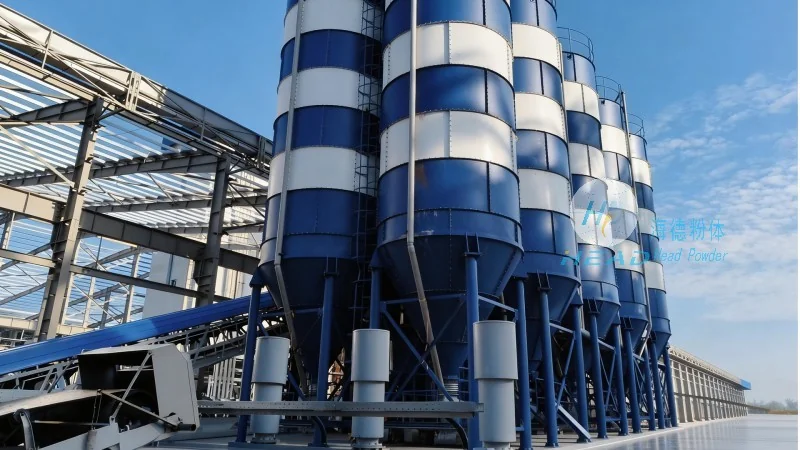
In another application, a cement plant opted for a negative pressure system to transport fine sintered ash from a storage hopper to a grinding mill over a distance of 200 meters. The system was chosen for its lower energy consumption and ability to preserve the material's quality during transport. The negative pressure mode effectively minimized material degradation and reduced the risk of blockages, resulting in improved operational efficiency.
Conclusion and Recommendations
Both positive and negative pressure pneumatic conveying modes offer viable solutions for sintered ash transport, each with its own set of advantages and limitations. The selection of the appropriate mode depends on the specific operational requirements, material characteristics, and cost considerations of the application. Positive pressure systems are generally more suitable for long-distance and high-capacity applications, while negative pressure systems are ideal for short-distance or low-flow scenarios where energy efficiency and material preservation are critical.
Shandong HeadPowder Engineering Co., Ltd. provides comprehensive technical support and customized solutions to help clients choose the most suitable pneumatic conveying system for their sintered ash transport needs. By leveraging their expertise in material handling and system design, the company ensures that clients achieve optimal performance, reliability, and cost-effectiveness in their operations. Whether opting for a positive or negative pressure system, the focus remains on efficient material transport while minimizing operational challenges and maximizing overall system efficiency.